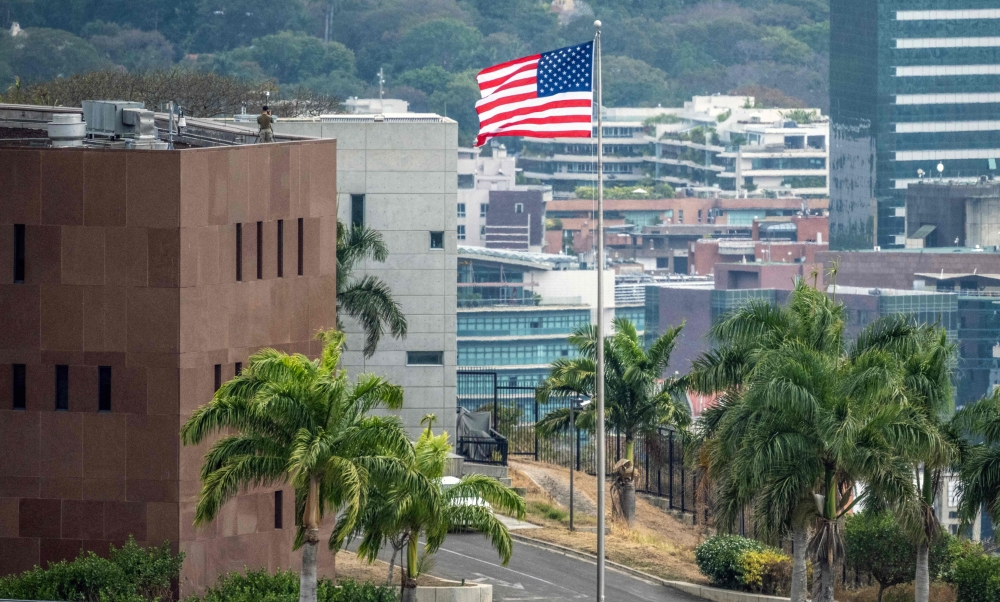
In a significant development reflecting escalating tensions between Washington and Tehran, the United States issued an urgent appeal to its citizens, particularly those with dual American and Iranian citizenship, to leave Iran immediately. This warning was accompanied by specific logistical guidelines, with the US State Department advising its citizens to use available land crossings through Armenia or Turkey to depart safely, given the increasing security risks.
The White House: All options are on the table, including airstrikes
In conjunction with the consular warnings, the White House escalated its political and military rhetoric. White House Press Secretary Caroline Leavitt confirmed that President Donald Trump is handling the Iranian issue with a firm strategy that keeps all options open. In press statements, Leavitt clearly indicated that airstrikes remain one of several options available to the Commander-in-Chief in response to the Iranian authorities' violent crackdown on protesters.
Levitt added, "President Trump is very good at keeping all his options open, but diplomacy always remains the first choice." The spokesperson revealed a discrepancy between the Iranian regime's publicly hostile rhetoric and the messages the US administration receives through back channels, emphasizing the president's interest in exploring the substance of these diplomatic messages despite the saber-rattling.
Context of unrest and protests in Iran
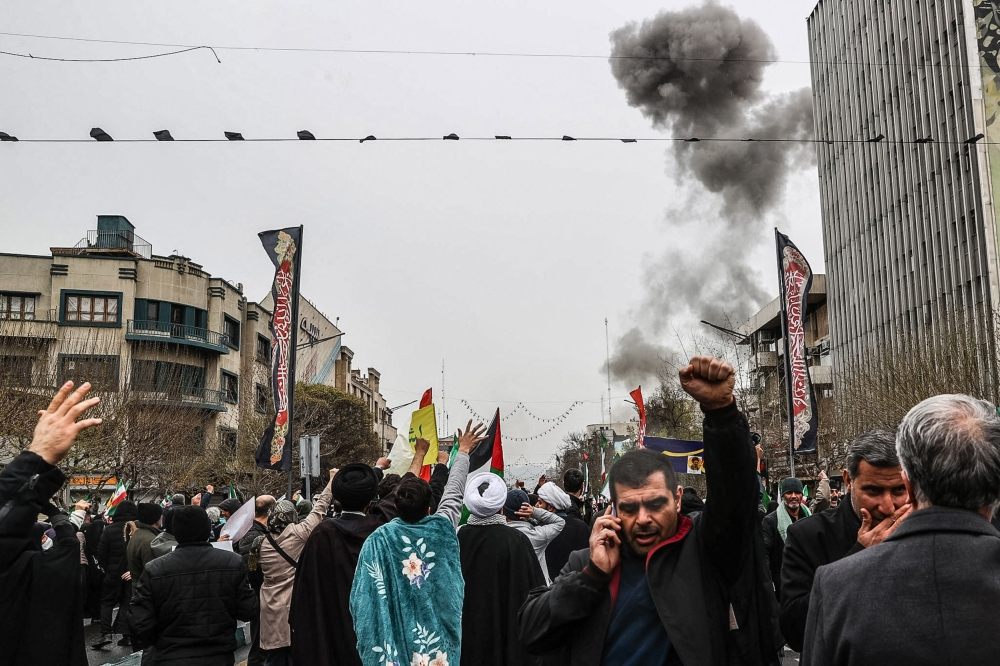
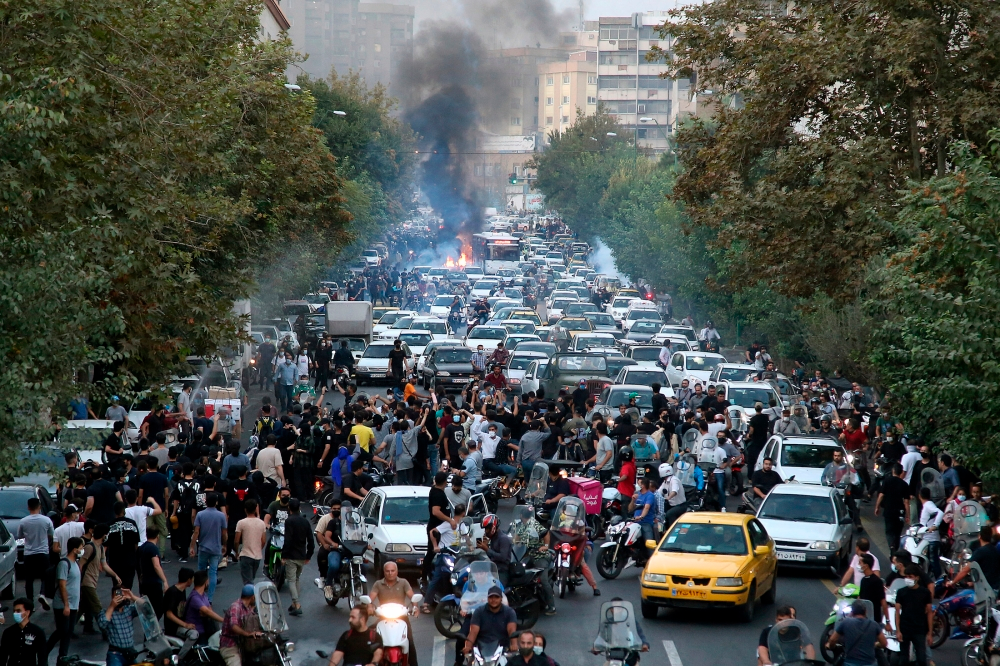
This US warning comes at a time when Iran is experiencing a widespread wave of anti-regime protests, which have been met with a large-scale security crackdown. Human rights and international reports indicate that hundreds of protesters have been killed, prompting the international community, led by the United States, to intensify pressure on Tehran. Historically, human rights and the handling of protests have been key points of contention hindering any potential rapprochement between the two countries and increasing the likelihood of further sanctions or punitive measures.
Between military escalation and the diplomatic track
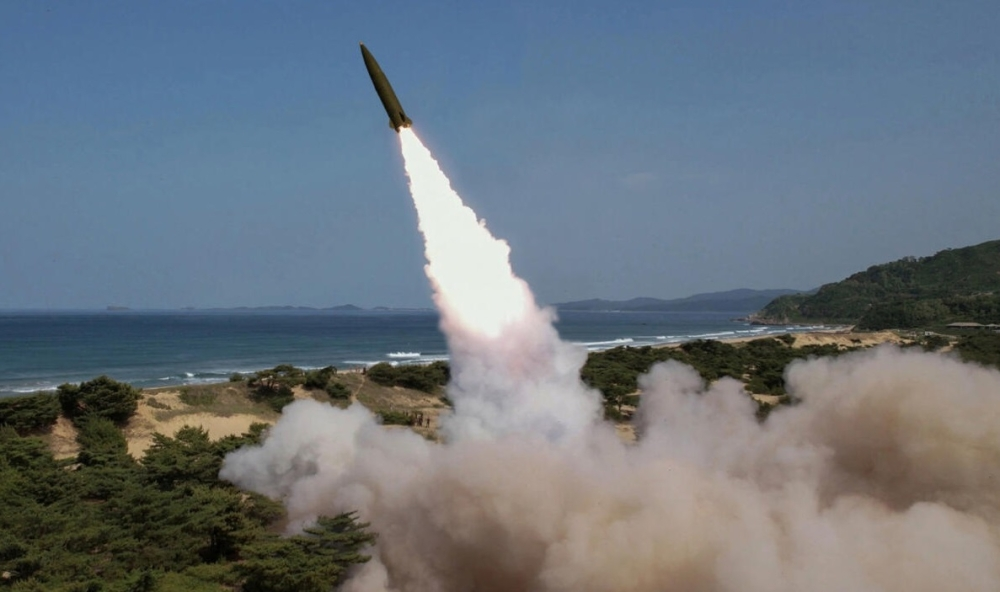
Observers of international affairs believe that Washington’s current strategy is based on the principle of “maximum pressure” mixed with political pragmatism. On the one hand, military action is being threatened to deter Tehran from continuing to suppress protests or develop its nuclear program, while on the other hand, communication channels are being kept open to avoid sliding into a full-scale war that could destabilize the entire Middle East.
The call for citizens to leave carries worrying implications, as such measures often precede larger escalations or reflect intelligence indicating an imminent deterioration in the security situation. The international community fears that any miscalculation by either side could lead to a military confrontation with repercussions for global energy markets and maritime security in the Arabian Gulf.