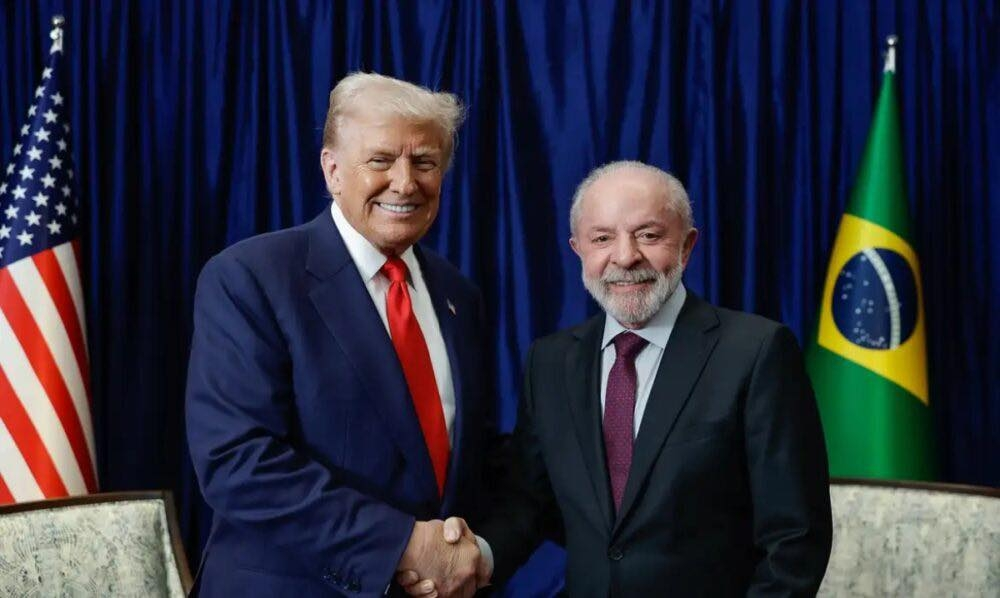
In a significant diplomatic move, the Brazilian presidency announced that President Luiz Inácio Lula da Silva and his American counterpart, Joe Biden, agreed to strengthen bilateral cooperation in combating organized crime. This agreement, reached during a telephone call between the two leaders, marks the beginning of a new phase of security coordination between the two largest economies in the Americas.
Historical background and common challenges
This rapprochement comes at a time when Brazil faces escalating security challenges from transnational criminal organizations whose activities are no longer confined to Brazil but have expanded into complex international networks. Organizations such as the First Command of the Capital (PCC) and the Red Command (Comando Vermelho), which originated in the prisons of São Paulo and Rio de Janeiro, have evolved into massive criminal enterprises controlling drug and arms trafficking routes and money laundering operations throughout South America. Brazil has become a major transit point for cocaine produced in Andean countries (such as Colombia, Peru, and Bolivia) on its way to lucrative markets in Europe and North America.
Relations between the United States and Brazil have undergone significant transformations in recent years, and this meeting between Lula and Biden represents a reaffirmation of the strategic partnership, particularly on issues requiring international coordination. The US administration recognizes that the stability of Brazil and Latin America depends heavily on the ability to curb the activities of these organizations that threaten the rule of law and democracy in the region.
The importance of the agreement and its expected impact
During the nearly 40-minute call, President Lula emphasized the “urgent need to strengthen cooperation with the United States,” particularly in the financial and intelligence spheres. He cited recent operations by Brazilian authorities aimed at “crippling organized crime financially,” such as dismantling a money-laundering network linked to the “First Command of the Capital” gang that operated in the fuel sector. For his part, President Biden expressed his “full readiness to work with Brazil” to address these challenges.
Domestically, this cooperation is expected to provide Brazil with advanced technologies and expertise in tracking money and sharing intelligence, potentially leading to more precise and effective operations against criminal network leaders, rather than the often deadly and violent confrontations in favelas. Regionally and internationally, dismantling these networks will directly impact global drug supply chains. The documented link between the First Command of the Capital gang and the Italian 'Ndrangheta mafia, for example, highlights the global dimension of this problem, making US-Brazilian cooperation a cornerstone of any effective international strategy to combat organized crime.
This agreement represents a strategic step toward building a united front against shared security threats. While significant challenges remain, the commitment of the leaders of the two largest countries in the Western Hemisphere to work together sends a powerful message: the era of confronting transnational crime alone is over, and the future lies in joint intelligence and operational cooperation to ensure the security and stability of the region and the world.