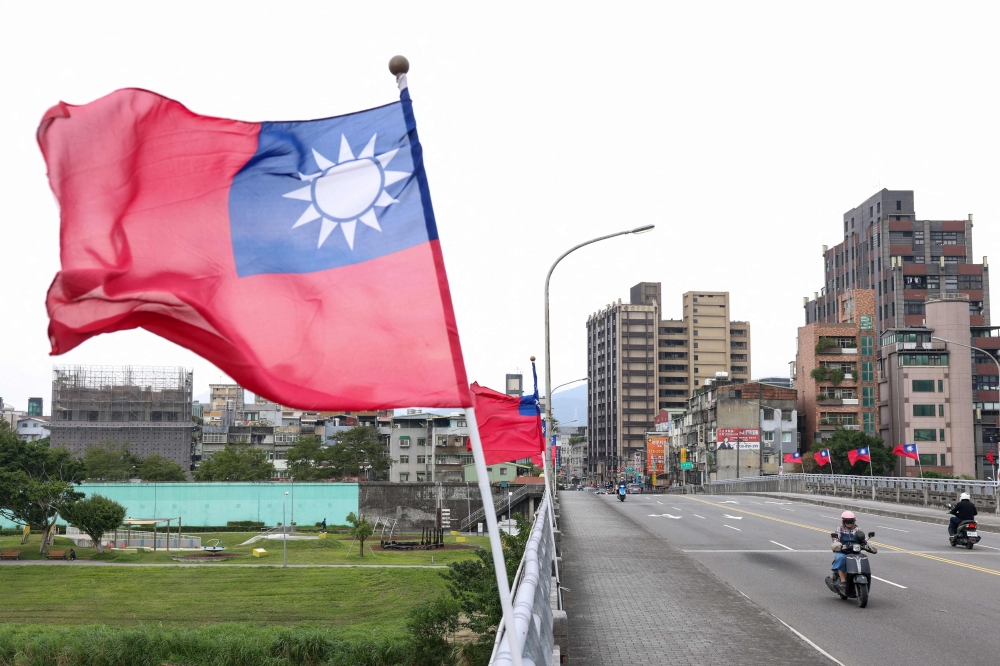
In a move reflecting escalating geopolitical tensions in the Indo-Pacific region, Taipei announced on Thursday that the US government had approved a massive $11.1 billion arms deal with Taiwan. This is the second such deal since President Donald Trump returned to power, and the largest since 2001, when the George W. Bush administration approved an $18 billion arms package, signaling a strategic shift in the level of military support provided to the island.
Details of the new arsenal
According to Taiwan's Ministry of Foreign Affairs, the deal includes eight major contracts encompassing HIMARS high-mobility missile systems, advanced howitzers, anti-tank missiles, drones, and critical spare parts. This package awaits approval from the US Congress to take effect, expected within a month, and also requires ratification by Taiwan's Legislative Yuan, which is currently controlled by the opposition.
Historical context and American commitment
These US moves are based on the 1979 Taiwan Relations Act, which obligates Washington to provide the island with defensive weapons to maintain its ability to defend itself, despite the absence of formal diplomatic relations between the two sides and Washington's recognition of the "One China" policy. This deal reaffirms the unwavering US commitment to Taiwan's security in the face of what Washington and Taipei describe as growing threats to change the status quo by force.
Strategic dimensions and regional impact
This deal is expected to provoke an angry reaction from Beijing, which considers Taiwan an integral part of its territory and has not ruled out the use of force to annex it. Observers believe that bolstering Taiwan's defense capabilities with this type of weaponry is part of a "porcupine strategy," which aims to make the cost of any potential invasion prohibitively expensive for China. Regionally, neighboring countries such as Japan and the Philippines are closely monitoring these developments, as the security of the Taiwan Strait is vital to the stability of global trade routes and regional security.
Arms race and field pressures
The deal coincides with Taiwanese President Lai Ching-te's announcement of plans to raise defense spending to 5% of GDP by 2030. This comes at a time when China is intensifying its "grey zone" tactics, with Taiwan's Ministry of Defense recently detecting the passage of the Chinese aircraft carrier Fujian through the Taiwan Strait, coinciding with the flight of 40 military aircraft and the presence of 8 warships in the vicinity of the island, keeping the region on constant alert.