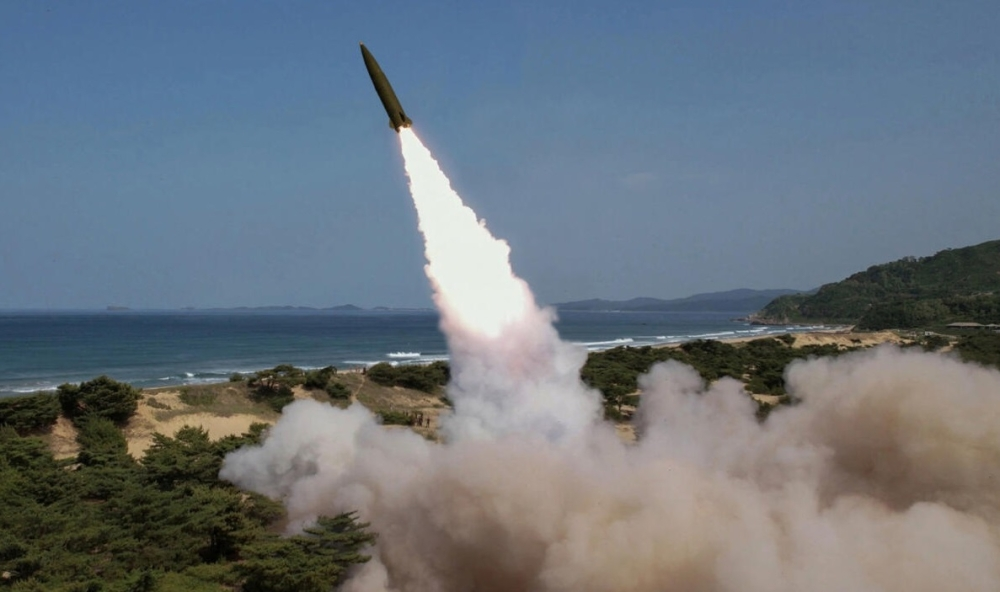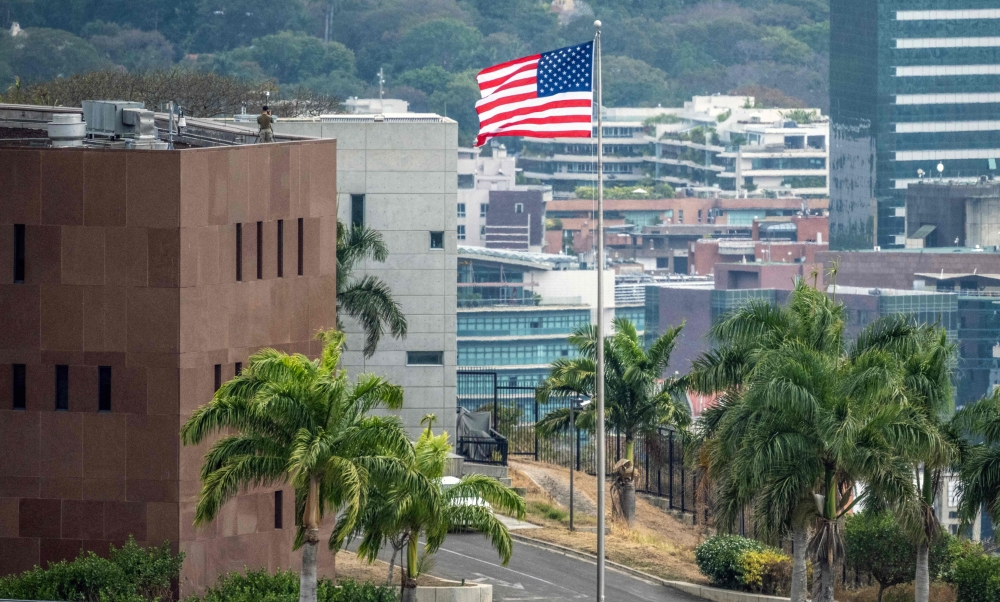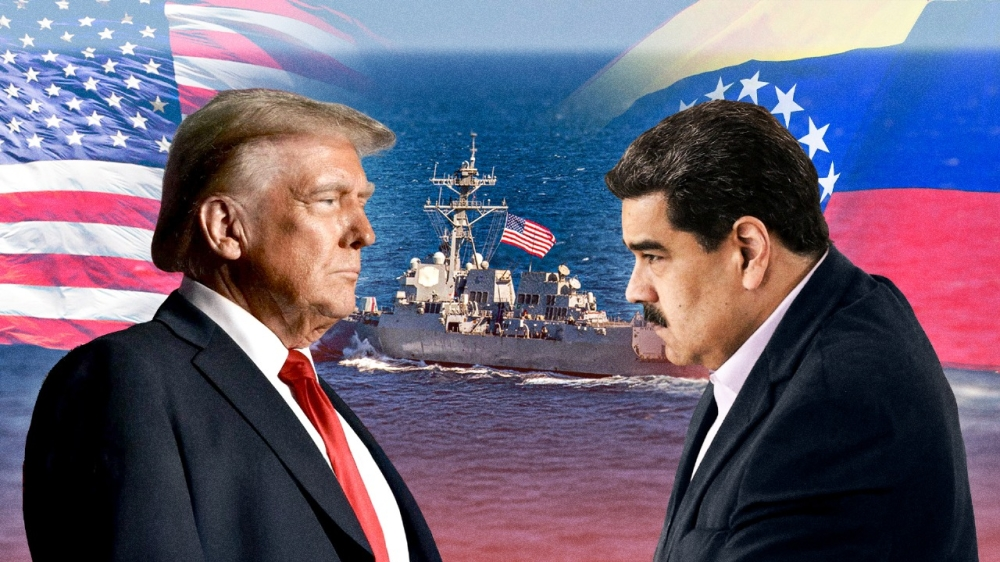
In a dramatic turn of events in Latin America, the United States officially announced a major indictment against Venezuelan President Nicolás Maduro on charges of drug trafficking and terrorism. This announcement coincided with US President Donald Trump's confirmation that his country had carried out a successful and large-scale strike against the Venezuelan regime, noting that the operation was conducted in close coordination with US law enforcement agencies.
According to official statements reported by Reuters, the operation resulted in the arrest of Nicolas Maduro and his wife, who were airlifted out of Venezuelan territory, in a move that represents the culmination of the escalation between Washington and Caracas after years of diplomatic estrangement and political tension.
Background of the conflict and charges of “drug terrorism”
This American move is not a spur-of-the-moment decision, but rather the culmination of a long process of investigations and pressure. In March 2020, the US Department of Justice had already indicted Maduro and several of his top aides on charges of “narco-terrorism,” alleging that they led a cocaine trafficking organization known as the “Cartel of the Suns.” Washington then offered a $15 million reward for information leading to his arrest, thus laying the legal and political groundwork for the current operation.
The political and economic crisis in Venezuela
This event comes at a time when Venezuela is experiencing one of the worst crises in its modern history. Since Maduro succeeded the late President Hugo Chávez in 2013, the country has witnessed an unprecedented economic collapse, characterized by hyperinflation and severe shortages of food and medicine, despite Venezuela possessing the world's largest proven oil reserves. These conditions have led to the displacement of millions of Venezuelans to neighboring countries, creating a regional refugee crisis that has strained both Latin American nations and the United States.
Expected regional and international repercussions
Maduro’s arrest is expected to trigger a geopolitical earthquake in the region. Domestically, it could open the door to a complex transition in Venezuela, amid questions about the reaction of the Venezuelan military, which has remained loyal to Maduro for years. Internationally, the operation is likely to elicit mixed reactions, particularly from Caracas’s traditional allies such as Russia, China, and Cuba, who have long viewed US actions as interference in the internal affairs of sovereign states.
Observers point out that charging a sitting head of state with terrorism and drug offenses (before arrest) is a rare precedent in international relations, reminiscent of the case of General Manuel Noriega in Panama in 1989, which confirms the US administration’s determination to reshape the political landscape in the United States’ backyard.