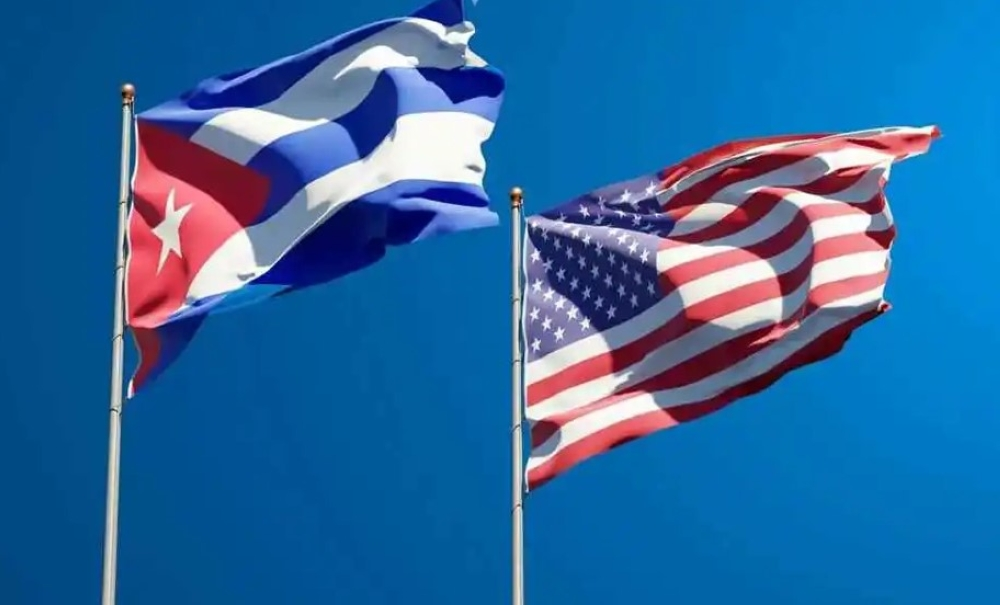
A US move to address Cuba's energy crisis
In a significant shift in its foreign policy, the United States announced Wednesday its decision to ease restrictions on Venezuelan oil exports, allowing them to be directed to the private sector in Cuba. The US Treasury Department explained that this measure is purely humanitarian in nature and primarily aims to alleviate the severe energy crisis plaguing the Cuban people, which has led to frequent power outages and fuel shortages.
Historical background of sanctions and alliances
This decision comes within the context of a complex web of US sanctions imposed on both Venezuela and Cuba for decades. On the one hand, Venezuela, under President Nicolás Maduro, is subject to crippling economic sanctions targeting its vital oil sector, aimed at pressuring the government. On the other hand, Cuba suffers from a long-standing US economic embargo. Historically, Venezuela was Cuba's closest ally and main supplier of oil at preferential prices, particularly during the era of the late President Hugo Chávez. However, this supply has dwindled significantly due to Venezuela's economic crisis and escalating US sanctions, exacerbating the island's economic woes.
The importance of the decision and its expected impact
The significance of this move lies in the fact that it does not represent a blanket easing of sanctions, but rather a specific and targeted authorization. The oil will not go to the Cuban government, but will instead be directed to support “the Cuban people and the Cuban private sector,” according to a statement from the Treasury Department. This decision is expected to have multiple effects:
- Domestically in Cuba, this measure could help revitalize the emerging private sector, such as small restaurants and craft workshops, which rely on electricity and fuel. It could also alleviate the daily suffering of citizens caused by prolonged power outages, which affect everything from food preservation to the operation of hospitals.
- Regionally, the decision is seen as an attempt by the Biden administration to adopt a more flexible approach in Latin America, balancing political pressure with the imperatives of humanitarian stability. It may also help reduce the flow of illegal migration from Cuba, which is often driven by dire economic conditions.
- On the international level: The decision represents a subtle indication that Washington may be prepared to use sanctions relief as a tool to achieve specific humanitarian or political goals, without abandoning its overall stance towards the governments of Caracas and Havana.
In conclusion, although this step is limited in scope, it carries important implications and opens the door to the possibility of providing direct support to the Cuban people through channels that do not go through the government, while closely monitoring its impact on the ground.