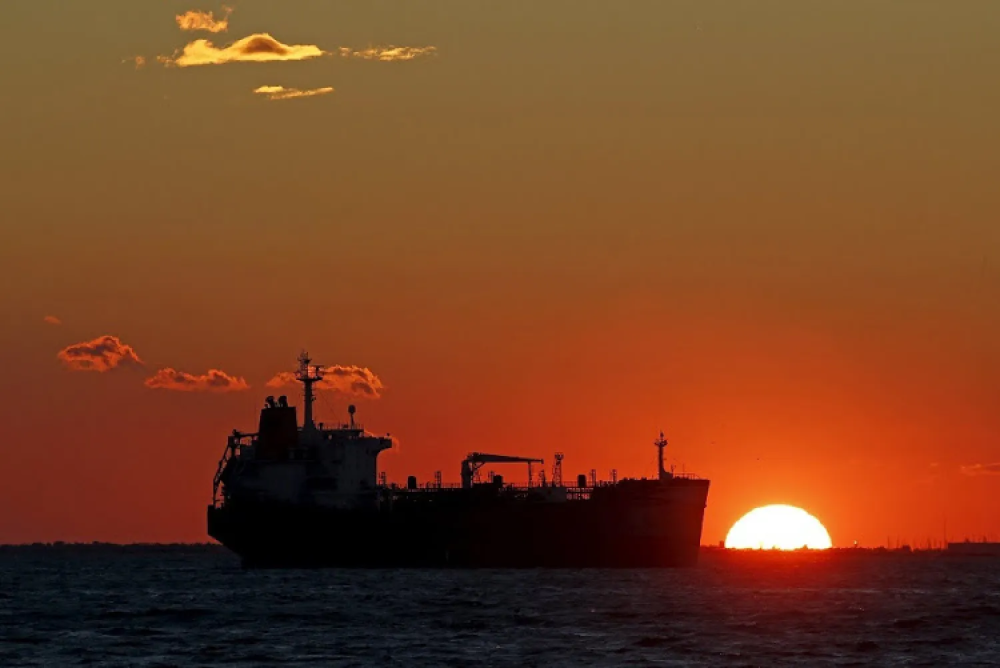
In an exceptional move aimed at stabilizing global markets, the United States has authorized the sale and delivery of Iranian oil and petroleum products stored on tankers. This decision covers shipments that were stored before March 20, and the authorization period will continue until April 19. This strategic step is a clear attempt to curb the sharp rise in energy prices, which resulted directly from the escalating conflicts and geopolitical tensions in the Middle East and their impact on international shipping lanes.
Washington's motives behind easing sanctions on Iranian oil
US Treasury Secretary Scott Bisent announced this new direction on Thursday, indicating that the United States may move toward temporarily lifting some of the stringent economic sanctions imposed on Tehran's energy sector. This exemption aims to allow for the completion of specific commercial transactions. Historically, Washington has imposed harsh sanctions on Iranian energy exports since withdrawing from the nuclear agreement in 2018, with the goal of pressuring the Iranian economy and reducing its revenues. However, successive US administrations have sometimes found themselves compelled to make tactical adjustments to the sanctions regime when faced with global energy crises that threaten to raise inflation rates and harm the domestic and global economies.
The Iranian response and the reality of floating stockpiles at sea
In response, Tehran was quick to deny the claim, with Iranian authorities stating on Friday that they currently have no surplus crude oil stored offshore. The term "floating storage" refers to the use of supertankers as temporary storage facilities in the oceans when demand declines or when sanctions impede direct sales. In recent years, Iran has relied heavily on this method to store millions of barrels, but current market dynamics and the alternative export methods Tehran has developed to circumvent sanctions appear to have significantly altered the size of these stockpiles.
The implications of the decision on global and Middle Eastern energy markets
This development has far-reaching implications on multiple levels. Internationally, the decision sends a reassuring message to financial and energy markets that the US administration is prepared to use flexible tools to ensure the continued flow of supplies, thus contributing to stable fuel prices for consumers worldwide and mitigating inflationary pressures. Regionally, allowing these shipments to continue reflects the sensitivity of the situation in the Middle East, where major powers are striving to prevent military conflicts from escalating into a crippling energy crisis that could paralyze global trade.
Domestically, within the United States, stable gasoline prices are a top political and economic priority, especially during periods of geopolitical tension that often have an immediate impact on citizens' finances. Furthermore, this situation highlights the complexities of international sanctions policies, where political objectives aimed at curbing the regional influence of certain countries intersect with the pressing economic necessities imposed by market volatility. Balancing economic isolation with maintaining stable crude oil prices remains a persistent challenge for policymakers in Washington, explaining the reliance on such carefully considered and temporary exemptions to avoid unforeseen economic shocks.