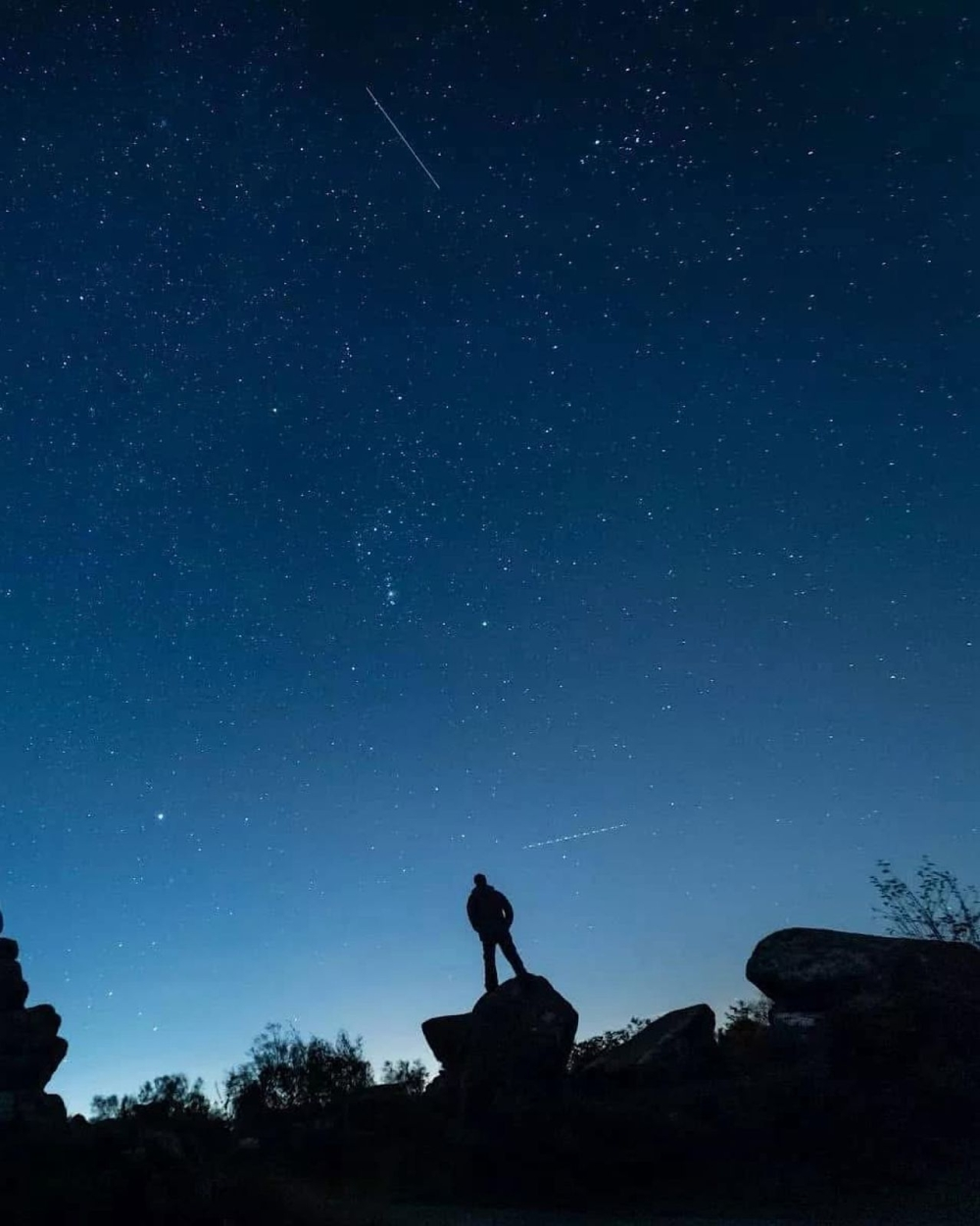
تستعد سماء الوطن العربي لاستقبال حدث فلكي مميز يبدأ من منتصف ليل الغد ويستمر حتى ساعات فجر الثلاثاء 23 ديسمبر 2025، حيث تصل زخة "شهب الدبيات" (Ursids) إلى ذروة نشاطها السنوي. ويأتي هذا الحدث الفلكي بالتزامن مع ظاهرة الانقلاب الشتوي، مما يجعله مسك الختام للأحداث الفلكية في عام 2025، وسط ترقب من هواة الفلك والمصورين لرصد هذه الظاهرة التي تتميز بظروف رصد مثالية هذا العام.
تفاصيل الظاهرة الفلكية وتوقيتها
أوضح المهندس ماجد أبو زاهرة، رئيس الجمعية الفلكية بجدة، أن شهب الدبيات تنشط سنوياً خلال الفترة من 17 إلى 25 ديسمبر، إلا أن ذروتها الحقيقية ستكون ليلة الاثنين وفجر الثلاثاء. وتحدث هذه الظاهرة عندما تعبر الكرة الأرضية خلال دورانها حول الشمس سحابة من الحطام الغباري المتناثر على طول مدار المذنب الدوري "توتل" (8P/Tuttle). عند دخول هذه الجسيمات الغبارية إلى الغلاف الجوي للأرض بسرعات عالية جداً، تحترق نتيجة الاحتكاك الشديد على ارتفاعات تتراوح بين 80 إلى 120 كيلومتراً، مخلفة وراءها ومضات وخطوطاً ضوئية سريعة تزين ظلمة السماء.
الخلفية التاريخية والمذنب الأم
تعتبر زخة شهب الدبيات من الزخات المكتشفة حديثاً نسبياً في تاريخ علم الفلك مقارنة بزخات شهيرة أخرى كالبرشاويات والتوأميات. تم تحديدها كزخة دورية منتظمة قبل حوالي قرن من الزمان، وتحديداً في مطلع القرن العشرين، عندما لاحظ الفلكيون أن الشهب التي تظهر في أواخر ديسمبر تنطلق جميعها من نقطة إشعاع واحدة تقع في كوكبة الدب الأصغر. ويعود مصدر هذه الشهب إلى المذنب "8P/Tuttle"، الذي تم اكتشافه لأول مرة في عام 1790 ثم أعيد اكتشافه وتحديد مداره بدقة بواسطة الفلكي هوراس توتل في عام 1858. يدور هذا المذنب حول الشمس في مدار بيضاوي يستغرق حوالي 13.6 سنة لإكماله، مخلفاً وراءه نهراً من الجسيمات التي تتقاطع مع مدار الأرض.
ظروف الرصد وموقع الإشعاع
ما يميز رصد شهب الدبيات لهذا العام هو غياب تأثير إضاءة القمر، حيث سيكون القمر في طور هلال بداية الشهر وسيغرب في وقت مبكر من المساء، مما يترك السماء مظلمة تماماً خلال ساعات الذروة المتأخرة، وهو شرط أساسي لرؤية الشهب الخافتة. تنطلق هذه الشهب ظاهرياً من نقطة إشعاع تقع في كوكبة "الدب الأصغر" (Ursa Minor) بالقرب من النجم القطبي، وهي كوكبة لا تغرب أبداً بالنسبة للمراصدين في النصف الشمالي من الكرة الأرضية، مما يعني إمكانية رصد الشهب طوال ساعات الليل، مع أفضلية لساعات الفجر حيث تكون نقطة الإشعاع في أعلى نقطة لها في السماء.
الأهمية العلمية وتأثير الحدث
على الرغم من أن شهب الدبيات تعتبر زخة "صغيرة" وتنتج عادة ما بين 5 إلى 10 شهب في الساعة، إلا أنها تحمل أهمية علمية كبيرة للفلكيين، حيث يساعد رصدها في دراسة توزيع الحطام الفضائي وتطور المذنبات الدورية. كما أن تزامنها مع الانقلاب الشتوي (بداية فصل الشتاء فلكياً) يضفي عليها طابعاً خاصاً، حيث تشهد المنطقة العربية في هذا اليوم أطول ليل في العام، مما يوفر نافذة زمنية طويلة جداً للرصد والاستمتاع بجمال السماء الشتوية التي تتزين أيضاً بألمع نجوم العام وكوكب المشتري المتلألئ.