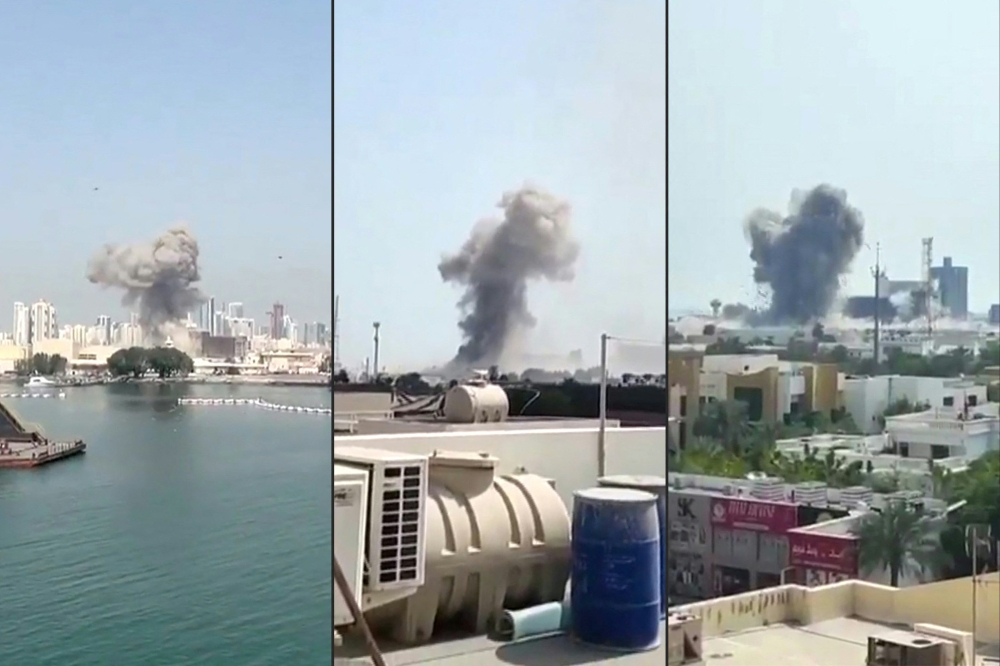
The United Nations issued strong warnings about the escalating military developments in the Middle East, emphasizing that continued attacks in the Gulf region and targeting of energy infrastructure could have dire consequences not only for the countries of the region but also for the global economy. These warnings came in the wake of a series of tit-for-tat military strikes between the United States and Israel on one side, and Iran on the other, which entered their fourth day amid international fears of the region sliding into a full-blown war.
Background to the escalation and risks of targeting energy resources
These international calls come in a highly complex regional context, as the region experiences unprecedented turmoil. The Arabian Gulf is a vital artery for global energy supplies, with a significant portion of the world's oil and gas needs passing through its waters and strategic straits. Historically, any security threat in this geographical area has had an immediate impact on global market indicators, causing sharp price fluctuations and disrupting supply chains. The current military focus on energy infrastructure is reminiscent of past crises that triggered global economic recessions, making this international warning of paramount importance to policymakers worldwide.
The economic repercussions of continued attacks in the Gulf region
At his daily press briefing, UN Spokesperson Stéphane Dujarric highlighted the looming economic risks, stating clearly that “continued attacks on energy infrastructure in the Gulf region could have a significant impact on the global economy, which remains heavily reliant on oil.” Dujarric emphasized that the world, still recovering from previous economic crises, cannot withstand another shock to energy prices, which could drive up inflation and increase the cost of living across all continents.
Humanitarian dimensions and the necessity of a diplomatic solution
Alongside the economic dimension, the international organization did not overlook the tragic humanitarian aspect of the conflict. Dujarric noted the rising number of civilian casualties and the devastating humanitarian impact on populations across the region, including the waves of displacement witnessed in areas such as Lebanon. The United Nations stressed the urgent need for an immediate cessation of hostilities and a return to the negotiating table, asserting that military solutions will only bring further destruction and instability. The international community now faces a true test of its ability to prioritize reason and diplomacy to avert an impending economic and humanitarian catastrophe.