The Commissioner-General of the United Nations Relief and Works Agency for Palestine Refugees (UNRWA), Philippe Lazzarini, reiterated his warnings about the continuing and worsening humanitarian catastrophe in the Gaza Strip, noting that the suffering of the population, especially children, has reached indescribable levels. Lazzarini emphasized that the Strip is facing a “systematic campaign of destruction” targeting infrastructure and basic services, threatening the lives of more than two million people living in dire shortages of shelter, food, water, and healthcare.
Historical background and UNRWA's pivotal role
UNRWA was established by a resolution of the United Nations General Assembly in 1949 to provide assistance and protection to Palestinian refugees following the 1948 Nakba. Since then, the agency has become a lifeline for millions of refugees in Gaza, the West Bank, Jordan, Lebanon, and Syria, providing vital services in education, health, relief, and social services. In the Gaza Strip, which has been under a tight blockade since 2007, UNRWA’s role has been crucial in maintaining a minimum standard of living for the population, the vast majority of whom are refugees.
Details of the current crisis
During his remarks at the opening of a photo exhibition in Brussels, Lazzarini explained that UNRWA staff in Gaza, working in extremely dangerous conditions, have documented the immense scale of the destruction inflicted on the Strip for over two years. He noted that this documentation comes at a time when independent international media are barred from entering Gaza, making the testimonies of UNRWA staff a vital source of information. He added that the agency remains the backbone of the humanitarian response, providing:
- Healthcare: It provides approximately 40% of primary healthcare services, equivalent to 18,000 medical consultations daily, in addition to vaccination campaigns and nutrition checks.
- Water and sanitation: It oversees the operation of water wells, desalination systems, and waste management, services that benefit hundreds of thousands.
- Education: Continued support for in-person education for about 60,000 children, and distance education for about 300,000 others, stressing that getting children back to schools is a top priority to address psychological trauma and prevent the loss of an entire generation.
Local and international impacts
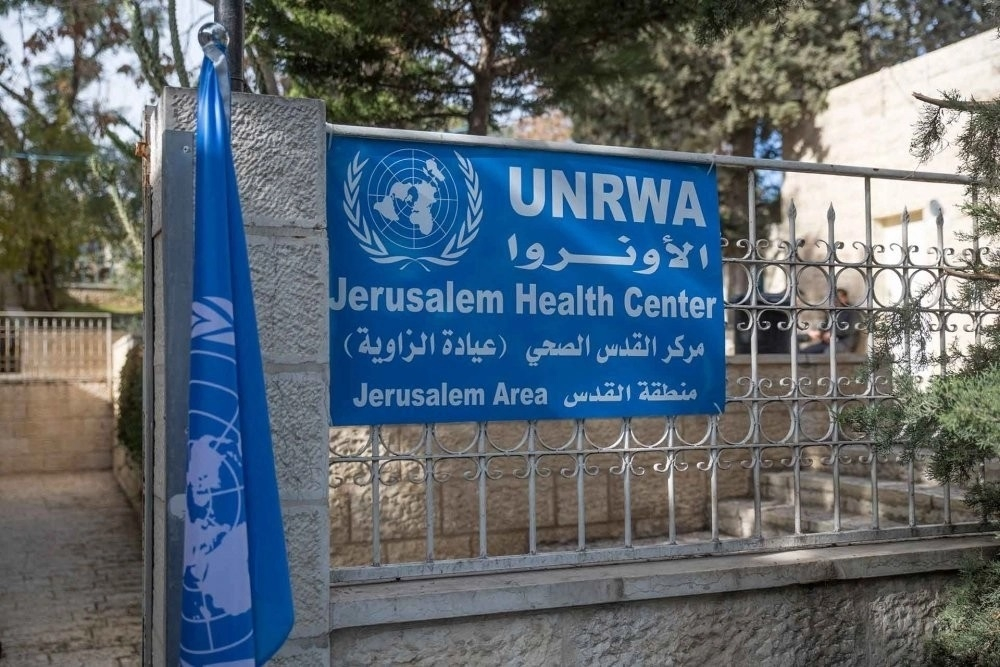
Targeting UNRWA not only obstructs its humanitarian operations but also poses a threat to regional stability and the international order. Locally, the collapse of the agency’s services would mean a slow death sentence for the people of Gaza through widespread famine and disease. Regionally, it exacerbates instability and places immense pressure on neighboring countries. Internationally, attacking a UN agency constitutes a flagrant violation of international humanitarian law and undermines the principles of humanitarian action and the immunities of the United Nations. Lazzarini emphasized that recent Israeli legislation aimed at cutting off services to UNRWA facilities in East Jerusalem and demolishing its headquarters is part of this systematic campaign that defies international will.