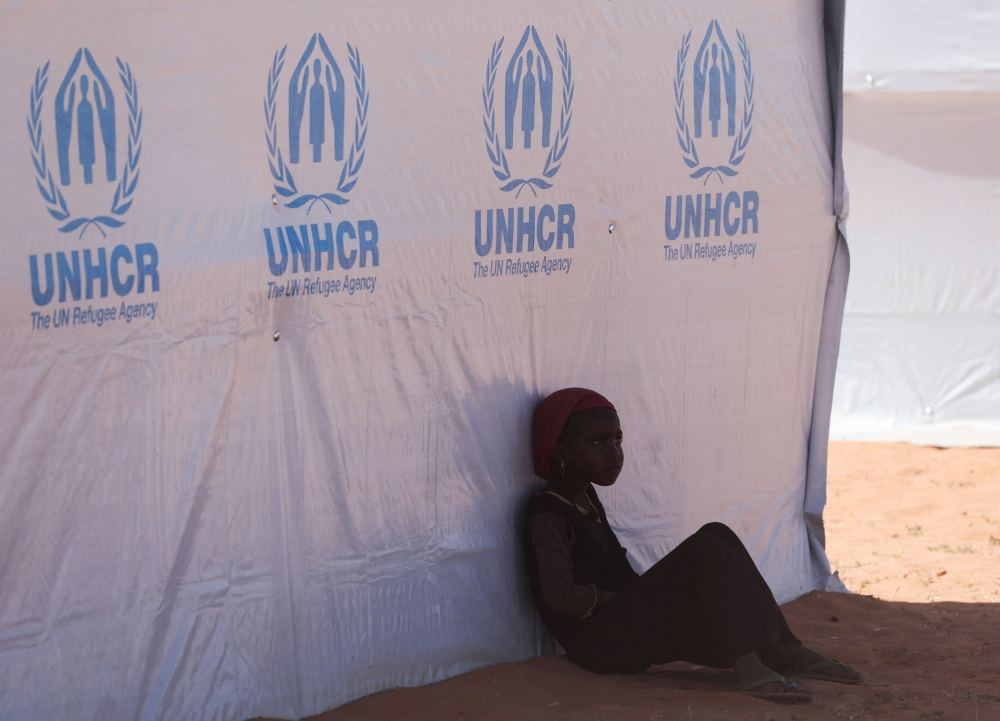
The United Nations High Commissioner for Refugees (UNHCR) announced that it had secured pledges of over $1.5 billion for its operations in 2026 at the conclusion of a donor conference held in Geneva. This announcement comes at a critical time, as the world faces unprecedented displacement crises and global economic challenges that are impacting the scale of humanitarian aid.
In a statement released on Tuesday, UN High Commissioner for Refugees Filippo Grandi expressed cautious optimism, saying, “The pledges made today show that the world has not turned its back on people forced to flee, and that support for refugees continues.” He added that this support is a lifeline for millions of people who depend on international aid to survive and build their futures.
Details of financial commitments
During the conference, participating governments pledged $1.161 billion for 2026, slightly exceeding last year's record-breaking pledges. In addition to government support, the private sector made further pledges of $350 million, bringing the initial total to over $1.5 billion. This covers approximately 18% of the UNHCR's total projected funding needs for next year, with additional contributions expected from other governments whose financial systems do not allow for early pledges.
Among the major government contributors are Denmark, Germany, Japan, the Netherlands, and Norway, in addition to the European Union, which pledged substantial funding. The conference also saw a significant increase in contributions from countries such as Ireland, Luxembourg, and Iceland.
The global context of the refugee crisis
The United Nations High Commissioner for Refugees (UNHCR) was established in the aftermath of World War II to assist Europeans displaced by conflict. Since then, its work has expanded globally. Today, UNHCR faces enormous challenges as the number of forcibly displaced people worldwide has reached record levels, exceeding 114 million. This tragic increase is driven by ongoing conflicts in places like Sudan, Ukraine, Syria, and Afghanistan, as well as the growing impacts of climate change and natural disasters that are forcing even more people to flee their homes.
The importance of financing and the challenge of allocation
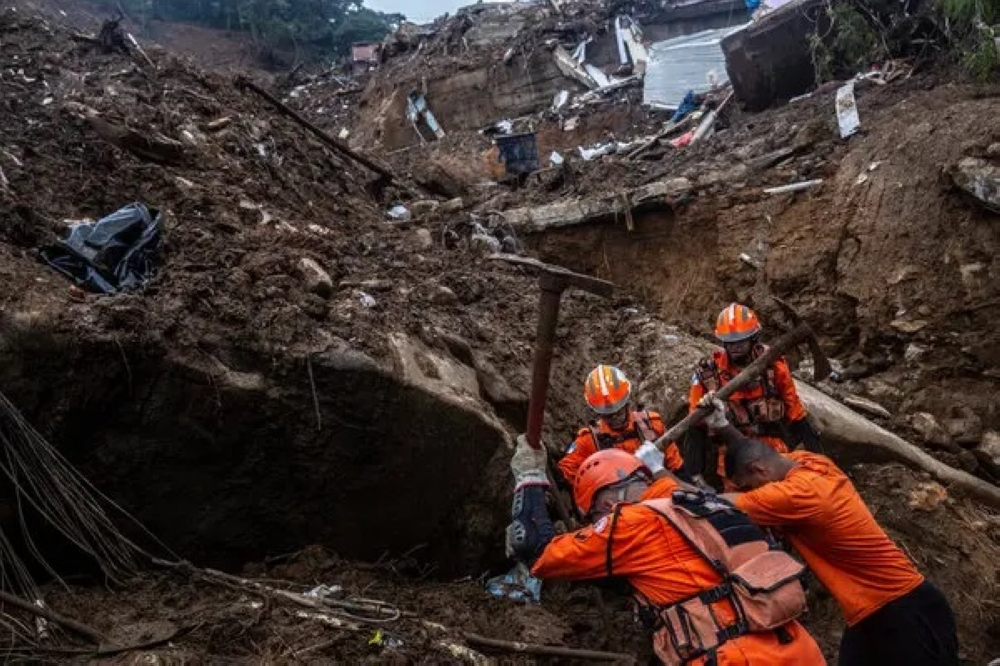
This funding translates into vital assistance on the ground, including shelter, food, clean water, healthcare, and education for millions of refugees and internally displaced persons in dozens of countries. It also supports host communities that bear a heavy burden in hosting refugees, thereby promoting regional stability and preventing crises from escalating.
While the announced amount is a significant achievement, the UNHCR noted a “worrying trend” in the decline of unrestricted funding (funds not earmarked for a specific purpose). This flexible funding now accounts for only 17% of total pledges, compared to nearly half in 2023. Humanitarian organizations prefer this type of funding because it provides the flexibility to respond quickly to emergencies and direct resources where needs are most urgent, rather than being tied to predetermined programs or geographic areas.