Independent experts commissioned by the UN Human Rights Council have strongly criticized US military actions in the Caribbean, describing the US naval blockade of Venezuela as an “unlawful armed aggression” that constitutes a flagrant violation of international law and the UN Charter.
Experts confirmed in an official statement that the US measures go beyond mere economic sanctions to reach the level of hostile military operations, noting that preventing the arrival or departure of ships and oil tankers by force represents a dangerous precedent in international relations.
A flagrant violation of the United Nations Charter
Human rights experts explained that the blockade imposed on oil tankers subject to US sanctions represents “a prohibited use of military force against a sovereign state,” which directly contradicts Article 2 of the UN Charter, which prohibits the threat or use of force against the territorial integrity or political independence of any state.
The statement added: “This use of force is so serious that it is explicitly recognized as an unlawful armed aggression, according to the definition of aggression adopted by the UN General Assembly in its 1974 resolution.” The experts noted that this legal classification, in principle, grants the affected state the right to legitimate self-defense, which could lead to a military escalation that threatens peace and security in the region.
American pretexts and the reality on the ground
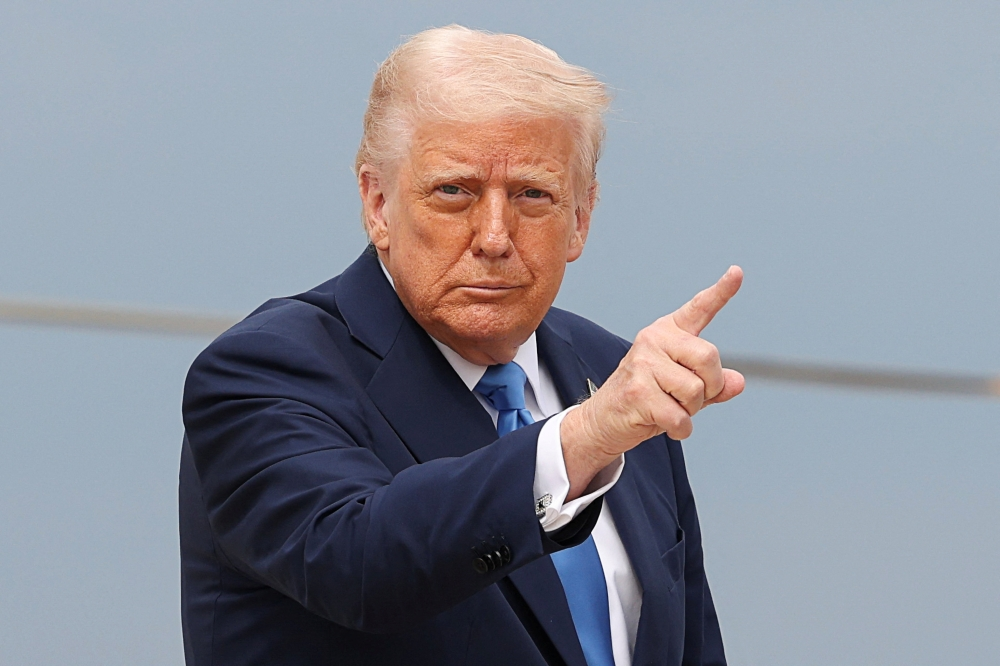
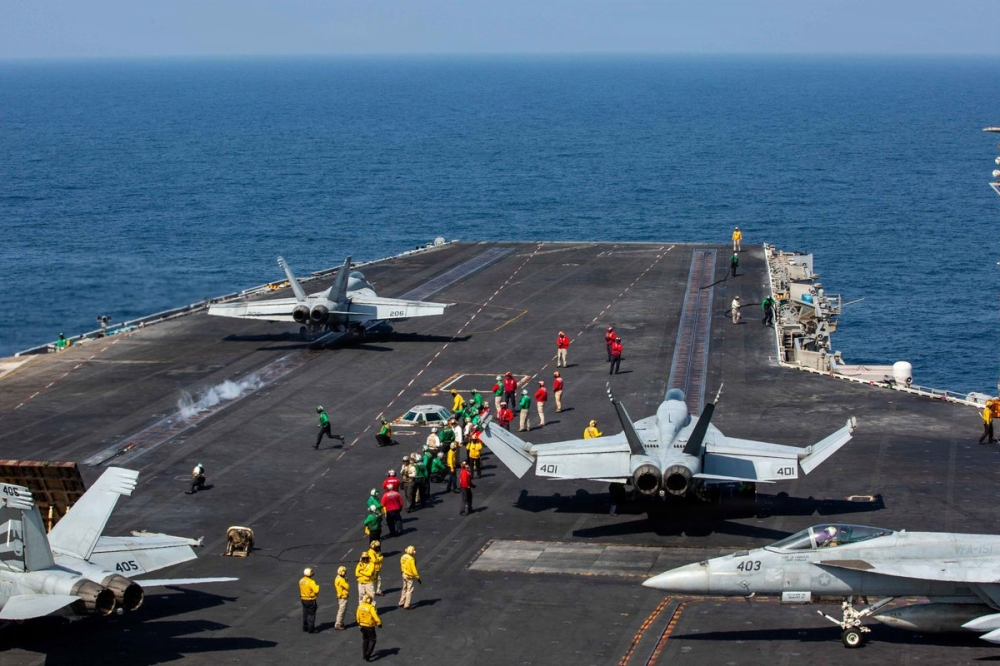
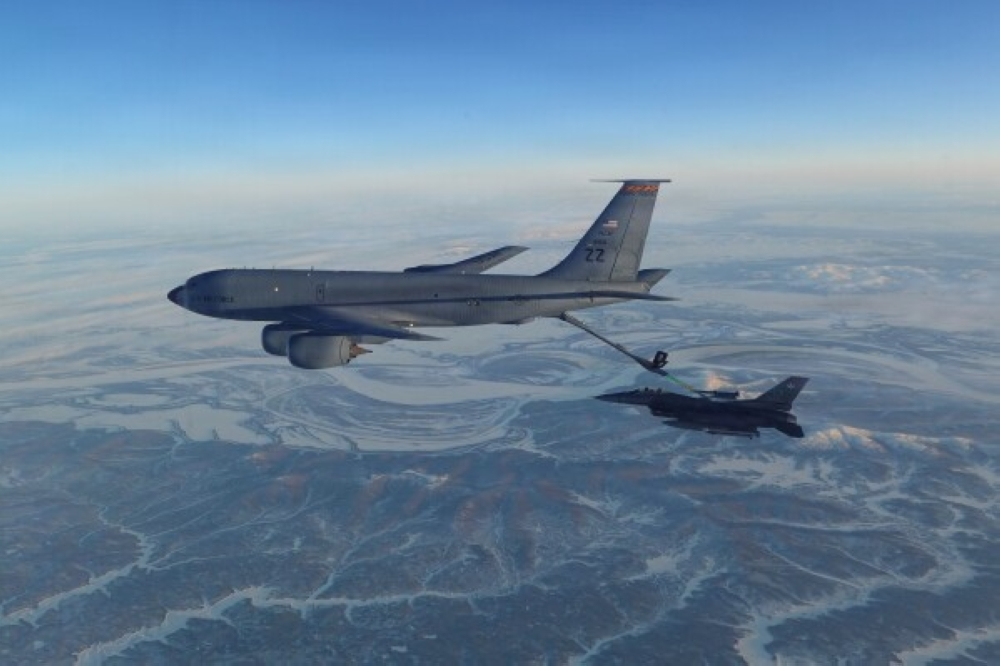
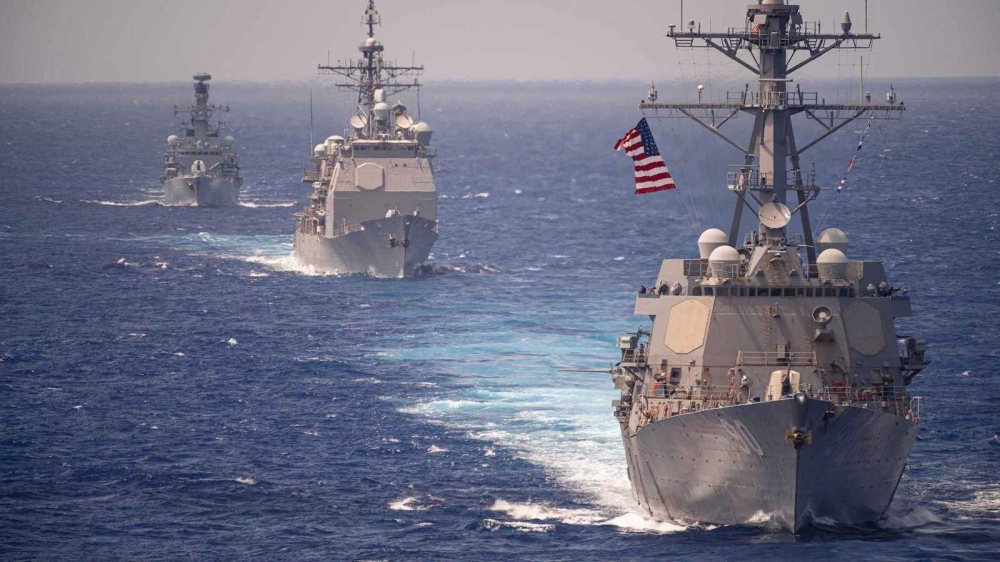
On the ground, the United States has bolstered its military presence in the region since August, deploying a large fleet in the Caribbean Sea. US forces have begun targeting boats under the pretext of combating drug trafficking, in operations that have resulted in the deaths of over 100 people to date. They have also seized oil tankers and detained two ships suspected of transporting Venezuelan oil, in accordance with the embargo declared by US President Donald Trump.
The experts stressed that “there is no right in international law that allows a state to impose unilateral sanctions through an armed blockade,” emphasizing that these measures lack the international legal cover provided by the Security Council.
Background to the tension and accusations of the "Sun Cartel"
These developments come amid an ongoing escalation, with Washington in November accusing senior Venezuelan officials, including President Nicolas Maduro, of involvement in an alleged terrorist drug-trafficking organization known as the “Cartel of the Suns.”.
Conversely, many international observers and experts question the existence of this organization as a structural entity, pointing instead to the existence of scattered corruption networks that may tolerate illicit activities, without this amounting to accusing the state of sponsoring a terrorist organization, considering that these accusations are used as a political pretext to tighten the noose on Caracas.
The repercussions of the embargo on the Venezuelan economy
It is worth noting that Venezuela relies almost entirely on oil exports to secure the hard currency needed to import food and medicine. The naval blockade and the ban on oil exports are exacerbating the country's dire humanitarian and economic crisis, negatively impacting the daily lives of Venezuelan citizens and increasing inflation and poverty rates—a situation experts consider a form of collective punishment, which is prohibited under international law.