In a dangerous escalation of events in the Middle East, the UN High Commissioner for Human Rights, Volker Türk, issued a strongly worded warning regarding the recent tensions. In a decisive statement, he affirmed that Iran's attacks on civilians in the Gulf Cooperation Council countries and the Hashemite Kingdom of Jordan constitute a flagrant violation of international humanitarian law, indicating that they may amount to war crimes. This UN statement highlights the scale of suffering endured by innocent people as a result of ongoing conflicts and places the international community before its legal and moral responsibilities.
The repercussions of Iran's attacks on civilians and infrastructure
During his address to the Human Rights Council at an urgent debate dedicated to the crisis, Turk explained that the direct targeting of populated areas constitutes an imminent and undeniable danger. He pointed out that Iran's attacks on civilians have not been limited to the tragic loss of life and injuries, but have extended to the widespread and systematic destruction of essential infrastructure. Ballistic missiles and suicide drones have targeted military bases, safe residential areas, and vital facilities in several Gulf states and Jordan. The damage has affected sectors indispensable for the continuation of daily life and the economy, such as seaports, civilian airports, energy facilities, and desalination plants, thus exacerbating the humanitarian crisis and hindering development efforts.
The regional context and escalating tensions in the Middle East
These alarming developments come within a complex historical and geopolitical context marked by chronic instability in the Middle East. Over the years, the region has witnessed persistent tensions, often linked to efforts to project influence and secure strategic waterways that are vital to the global economy. Historically, the security of the Arabian Gulf has been a red line for the international community due to its critical importance. These tensions have recently intensified with the rapid development of unconventional military technologies, making conflicts transnational and having a more profound impact on neighboring states striving to maintain their internal stability and protect their citizens from the repercussions of these complex regional conflicts.
Economic and security impacts at the regional and international levels
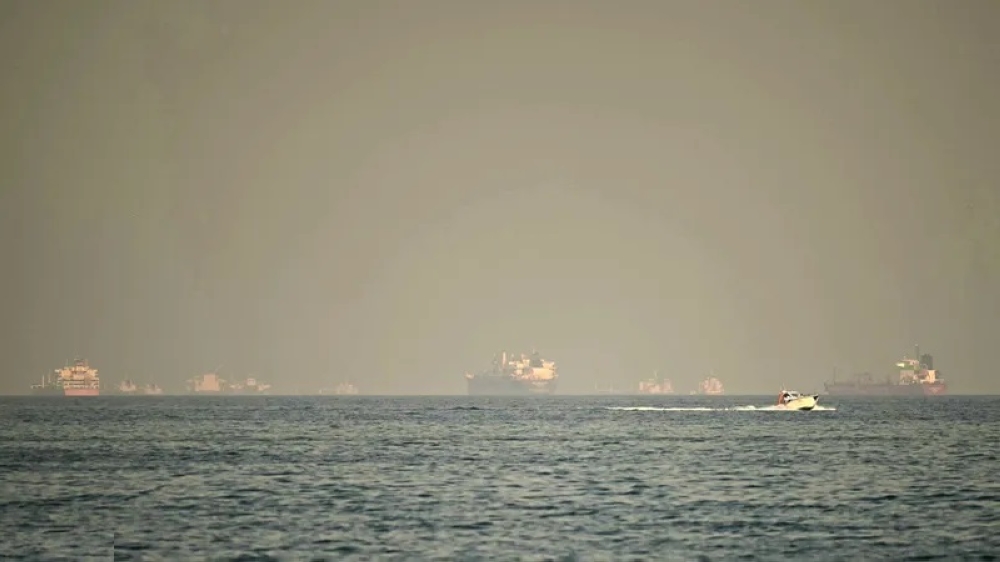
The gravity of these tragic events extends beyond the humanitarian and local dimensions, encompassing profound and direct repercussions on the international stage. Regionally, these attacks pose unprecedented security challenges to the countries of the region, necessitating enhanced joint defense cooperation and intensified diplomatic efforts to contain the crisis and prevent the region from descending into a full-blown war. Internationally, the UN High Commissioner for Human Rights clearly warned of extremely serious global economic consequences. The Strait of Hormuz is a vital waterway through which a significant portion of the world's oil production passes, and any disruption to commercial shipping resulting from these attacks will inevitably lead to shocks in energy markets and a sharp rise in oil prices, threatening to slow global economic growth and exacerbate the inflation rates already plaguing many countries. In closing, Turk called for an immediate cessation of these military operations, emphasizing the need to respect international laws and conventions to guarantee global peace and security.