The United Nations renewed its urgent appeal on Sunday to the Taliban authorities to end the three-month-old ban on Afghan women working at UN facilities in Afghanistan. The organization warned that the continuation of this measure is pushing vital aid services to the brink of collapse, threatening the lives of millions amidst the country's ongoing crises.
A call to save the most vulnerable groups
In an official statement, Susan Ferguson, UN Women Representative in Afghanistan, stressed the need for the immediate reversal of this decision. She said, "We call for the lifting of the ban on Afghan women staff members and contractors of the UN headquarters and for ensuring their safe access to offices and the field." Ferguson explained that this demand is not merely administrative, but a fundamental requirement "so that aid can reach the women and girls who need it most," emphasizing that "it is only thanks to these women that the UN can reach women and girls in Afghan society.".
Context of the ongoing crackdown since 2021
This ban is not an isolated incident, but rather part of a series of restrictive measures imposed by the Taliban authorities since they regained power in August 2021. The movement enforces a strict interpretation of Islamic law that has led to the gradual exclusion of women from public life. Girls have been barred from attending secondary schools and universities, prohibited from working in most non-governmental organizations, and banned from visiting public parks, gyms, and beauty salons. The ban on women working at the United Nations is the latest in this series, further exacerbating the international isolation of the Taliban government.
Disastrous consequences amid humanitarian crises
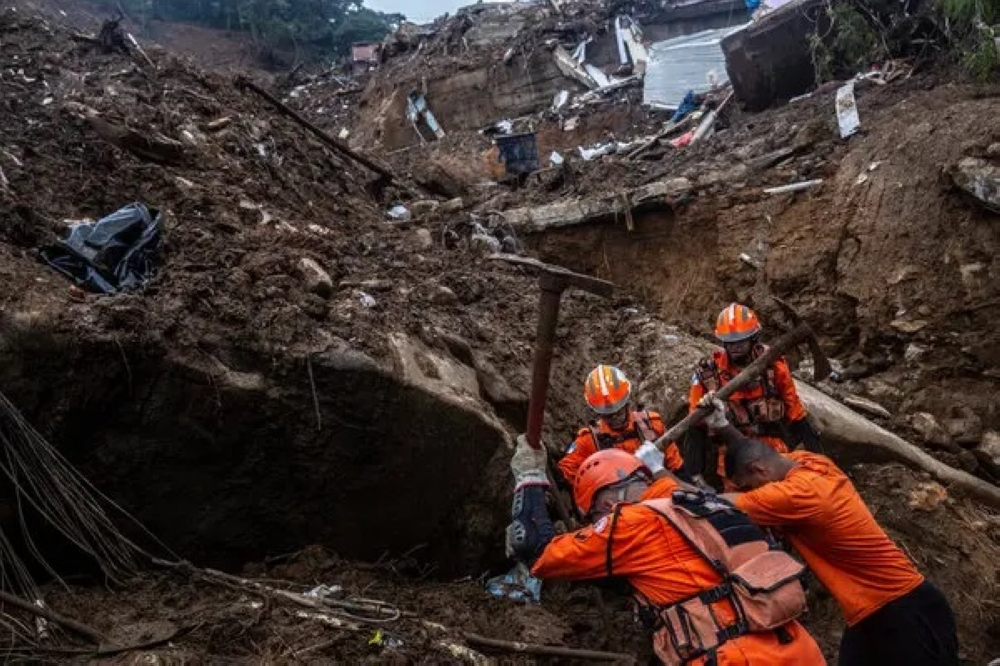
The United Nations explained that its female staff continued their vital work remotely over the past three months, attempting to circumvent restrictions. The contribution of women is of paramount importance at present, as Afghanistan faces multiple humanitarian crises, most notably the aftermath of the devastating earthquakes that recently struck Herat province, in addition to the crisis of Afghan migrants being forcibly deported en masse from Pakistan and Iran. Given the strict social norms in Afghanistan, it is impossible for male aid workers to interact directly with the women beneficiaries, making the presence of Afghan female staff an indispensable operational necessity to ensure that food, medicine, and shelter reach half the population.
Suspension of aid and future risks
Ferguson emphasized that "prolonging these restrictions puts vital aid services at increasing risk," noting that the ban clearly violates human rights principles and the UN Charter. The tangible effects of this ban are already being felt; in mid-September, the UNHCR was forced to suspend cash assistance to returning migrants. The agency justified its decision by stating that it was impossible "to conduct interviews and gather accurate information on the 52% of returning migrants, who are women, without female staff," leaving thousands of families without support to face a harsh winter and difficult living conditions.