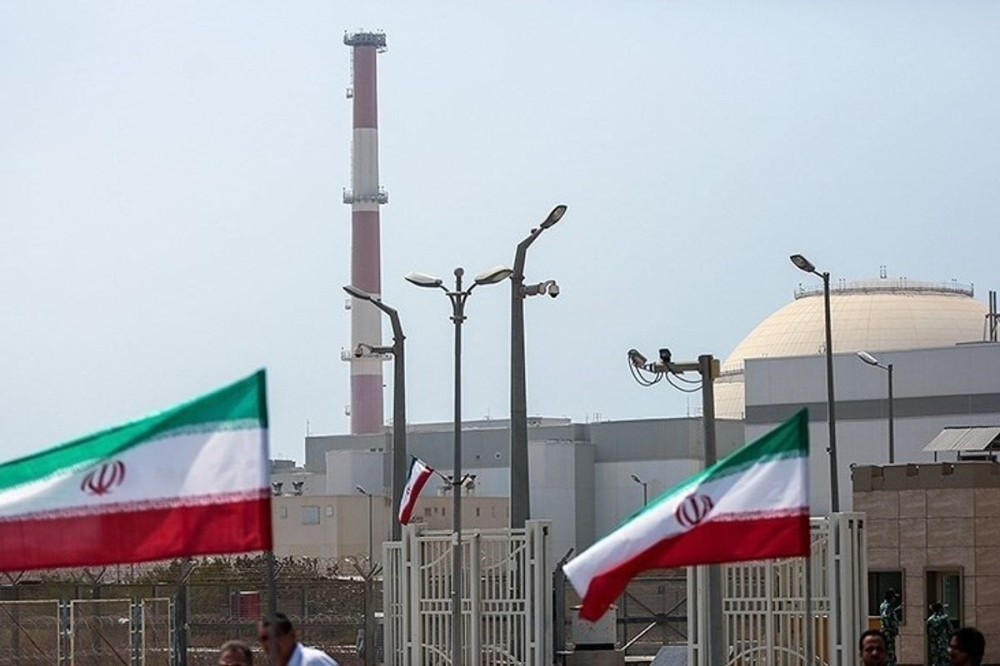
The UN Security Council held a pivotal session at its headquarters in New York today to discuss developments in the Iranian nuclear file , amid international anticipation regarding the fate of the nuclear agreement and the trajectory of sanctions imposed on Tehran. During the session, members heard a comprehensive briefing from the UN Under-Secretary-General for Political and Peacebuilding Affairs, Rosemary DiCarlo, who highlighted the current challenges and opportunities for a diplomatic solution.
Historical background: Resolution 2231 and the nuclear agreement
To understand the depth of the discussions taking place within the Security Council, it is essential to return to the historical context of Security Council Resolution 2231 of 2015, which endorsed the Joint Comprehensive Plan of Action (JCPOA). This agreement aimed to curb Iran's nuclear program and ensure its peaceful nature in exchange for lifting international economic sanctions. However, the United States' withdrawal from the agreement in 2018 and the subsequent steps taken by Iran to reduce its commitments have presented the international community with a complex legal and political dilemma that threatens the nuclear non-proliferation regime.
The international position and the call for a diplomatic solution
During the session, DiCarlo stressed that reaching a negotiated settlement that guarantees the overall objectives of ensuring a peaceful Iranian nuclear program and lifting sanctions is the best and only option available to the international community to avoid escalation. The UN official added, "Despite the significant and profound differences between the parties concerned regarding the way forward in implementing Resolution 2231 and the Joint Comprehensive Plan of Action, all parties continued to emphasize the importance of a diplomatic solution," expressing the UN's readiness to facilitate communication channels between the parties.
Controversy over the "snapback mechanism" for sanctions
The session witnessed a heated debate regarding the so-called "snapback mechanism," which allows any state participating in the original agreement to reimpose UN sanctions in the event of serious violations. DiCarlo noted that, given the Council's failure to adopt a resolution to continue the termination of sanctions measures within 30 days of the letter submitted by Germany, France, and the United Kingdom (E3), the previous sanctions were deemed to have been reinstated against Iran as of September 27, 2025.
She drew attention to the sharp legal division within the Council, where several member states rejected the validity and effectiveness of the process of reimposing sanctions, questioning the legal basis of the procedure, while other members asserted that the entire process was procedurally flawed, reflecting the state of international polarization towards Tehran.
Expected regional and international impacts
These developments are of paramount importance given their direct impact on stability in the Middle East. The return of sanctions or the complete collapse of the agreement could trigger a nuclear arms race in the region, exacerbate geopolitical tensions, and potentially disrupt global energy markets and the international economy. The key remains the continuation of diplomatic efforts to prevent a slide into open conflict.