The halls of the United Nations in New York are abuzz with diplomatic activity this week, as the Security Council a series of crucial meetings and closed and open briefings from December 22 to 26. These meetings come at a sensitive international juncture to discuss complex issues affecting international peace and security, most notably the crises in Myanmar and Sudan, as well as the Iranian nuclear agreement.
The crisis in Myanmar: A search for political solutions
The Council will begin its work by discussing the complex situation in Myanmar during a closed meeting convened by the Republic of Korea and the United Kingdom, the co-penholders on this issue. This session is particularly important given the ongoing political and security turmoil that has plagued the country since the major political changes of 2021.
The UN Secretary-General’s Special Envoy, Julie Bishop, and the ASEAN Special Envoy, Tan Sri Usman Hashim, are scheduled to provide comprehensive briefings via videoconference. These efforts aim to strengthen coordination between the UN and regional organizations to find a path to stability and halt the escalating violence.
Sudan: A humanitarian catastrophe on the table
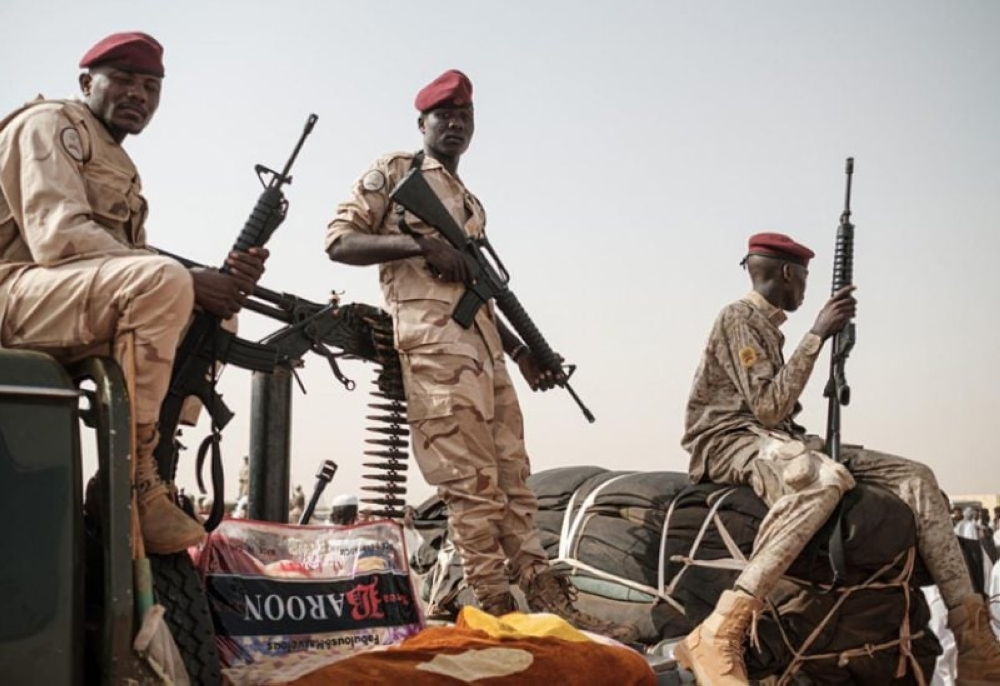
On Arab and African affairs, the Security Council is holding an open briefing session to discuss developments in the war in Sudan, in response to an official request from the Sudanese government and with the support of the “A3 Plus” bloc, which includes Algeria, Sierra Leone, Somalia and Guyana, backed by international powers such as China and Russia.
This session comes at a time when Sudan is suffering one of the world’s worst humanitarian crises and displacements due to ongoing conflict. Assistant Secretary-General for the Middle East, Mohamed Khaled Khiari, and the Director of the Crisis Response Division at the Office for the Coordination of Humanitarian Affairs, Edem Wosorno, will provide detailed reports on the field and humanitarian situation, highlighting the urgent need for effective international intervention to alleviate the suffering of civilians.
The Iranian nuclear issue and regional tensions
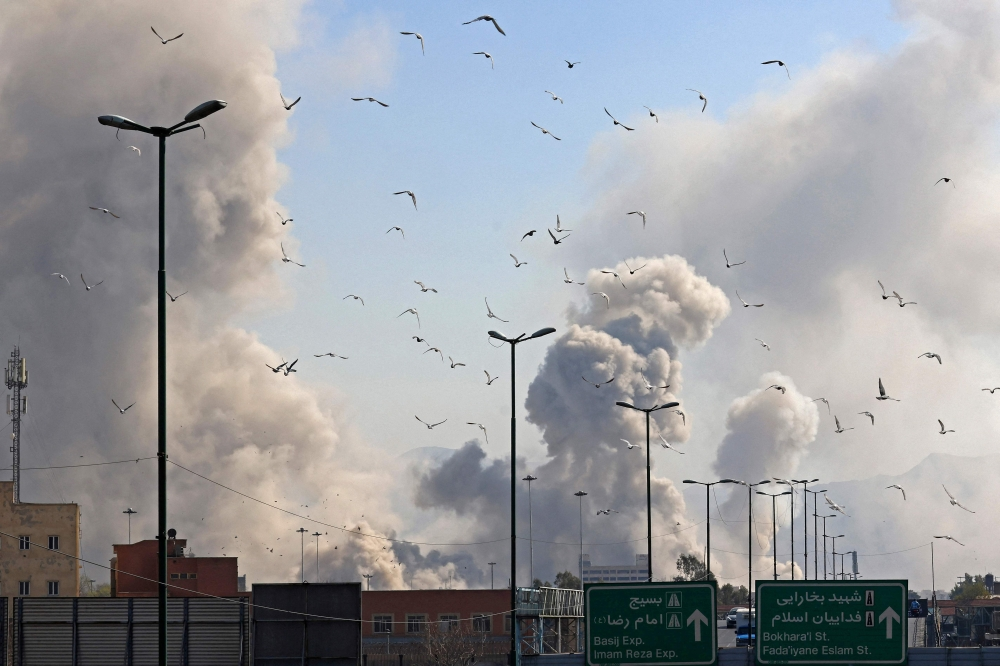
In the context of international security, the Security Council will hold a session on Tuesday to discuss the implementation of Resolution 2231 concerning the Joint Comprehensive Plan of Action (JCPOA), also known as the Iran nuclear deal. This session was requested by several Western countries, including the United States, France, and the United Kingdom, to review the report of the UN Secretary-General.
This issue is pivotal in light of ongoing international concerns about nuclear weapons and proliferation programs, as the international community seeks to ensure the peaceful nature of Iran’s nuclear program amid sharp political tensions.
The Council will also discuss, at Venezuela’s request, the threats to international peace and security, in reference to the escalating tensions surrounding Caracas, which reflects the current state of international polarization.
Expected decisions and international follow-ups
Regarding future decisions, Council members are engaged in intensive negotiations to renew the mandates of vital UN missions, including the UN Disengagement Observer Force (UNDOF) in the Golan Heights, the African Union Mission in Somalia (AMISOM), and the Counter-Terrorism Executive Directorate (CTED). They are also working on presidential statements concerning the 30th anniversary of the Dayton Peace Agreement in Bosnia and Herzegovina, the closure of the UN mission in Iraq, and the ongoing border tensions between Cambodia and Thailand.