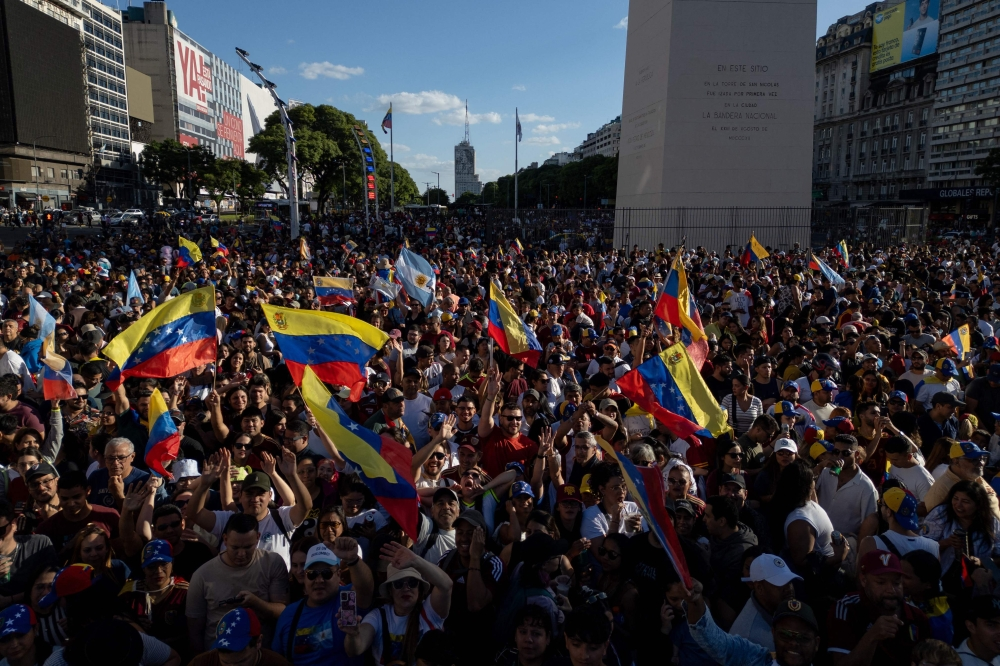
أعلنت بعثة الصومال، التي تتولى الرئاسة الدورية لمجلس الأمن الدولي لهذا الشهر، أن المجلس سيعقد جلسة طارئة يوم الإثنين المقبل لمناقشة التطورات الخطيرة في فنزويلا، وذلك على خلفية العملية العسكرية الأمريكية التي أفضت إلى اعتقال الرئيس نيكولاس مادورو. وتأتي هذه الجلسة استجابة لطلب رسمي تقدمت به فنزويلا ونقلته كولومبيا، العضو غير الدائم في المجلس، مما يعكس حجم التوتر المتصاعد في أمريكا اللاتينية.
ووفقاً لمصادر دبلوماسية مطلعة، فمن المقرر أن تنطلق أعمال الجلسة في تمام الساعة العاشرة صباحاً بتوقيت نيويورك (15:00 بتوقيت غرينيتش). ومن المتوقع أن تشهد الجلسة نقاشات حادة وانقساماً دولياً واضحاً حول شرعية التحرك الأمريكي، حيث يعتبر هذا الحدث سابقة نادرة في العلاقات الدولية الحديثة، تتمثل في قيام دولة بتنفيذ عملية عسكرية لاعتقال رئيس دولة أخرى لا تزال على رأس عملها.
سياق تاريخي من التوتر والصراع
لا يمكن فصل هذا الحدث الجلل عن السياق التاريخي الطويل للعلاقات المتوترة بين واشنطن وكاراكاس. فمنذ صعود التيار التشافي للسلطة، والولايات المتحدة تنظر بعين الريبة للنظام في فنزويلا، متهمة إياه بتقويض الديمقراطية وانتهاك حقوق الإنسان. وقد تصاعدت هذه التوترات بشكل غير مسبوق في السنوات الأخيرة، حيث فرضت واشنطن عقوبات اقتصادية خانقة على قطاع النفط الفنزويلي، ووجهت وزارة العدل الأمريكية اتهامات رسمية لمادورو ومسؤولين كبار بالتورط في قضايا فساد وتهريب مخدرات، وهو ما كانت ترفضه كاراكاس جملة وتفصيلاً معتبرة إياه جزءاً من مؤامرة إمبريالية.
تداعيات دولية ومخاوف من التصعيد
يكتسب هذا الاجتماع أهمية قصوى نظراً للتداعيات الجيوسياسية المحتملة لعملية الاعتقال. فمن المرجح أن تثير العملية حفيظة القوى الدولية المنافسة للولايات المتحدة، وتحديداً روسيا والصين، اللتين تمتلكان حق النقض (الفيتو) وتربطهما علاقات وثيقة مع فنزويلا. يرى المراقبون أن الجلسة ستتحول إلى ساحة مواجهة دبلوماسية حول مفاهيم السيادة الوطنية وعدم التدخل في الشؤون الداخلية للدول، مقابل مبادئ التدخل الإنساني أو إنفاذ القانون الدولي كما قد تبرره واشنطن.
علاوة على ذلك، يترقب المجتمع الدولي ردود الفعل الإقليمية في أمريكا الجنوبية، حيث قد يؤدي هذا التحرك العسكري إلى زعزعة الاستقرار في المنطقة، وإثارة مخاوف حكومات أخرى من تكرار السيناريو. كما أن الأسواق العالمية، وخاصة أسواق الطاقة، تترقب مخرجات هذا الاجتماع بقلق، نظراً لما تمثله فنزويلا من ثقل في احتياطيات النفط العالمية، وأي اضطراب طويل الأمد قد يلقي بظلاله على الاقتصاد العالمي.