The United Nations has officially announced that its Human Rights Council will hold an emergency meeting next Friday in Geneva to discuss the serious deterioration of the human rights situation in Iran, following the authorities' violent crackdown on anti-government protests. This international move comes in response to a formal request from Iceland and Germany, supported by the United Kingdom, North Macedonia, and Moldova, reflecting growing international concern over developments in Tehran.
Intense diplomatic activity
Human Rights Council spokesperson Pascal Sim explained at a press conference that the request enjoys broad support beyond the countries that submitted it. More than twenty member states of the Council have expressed their support for holding this special session, including France, Italy, Japan, and South Korea. Thirty observer states, such as Canada, Australia, and Sweden, have also joined the list of supporters, indicating a Western and international consensus on the need to hold Tehran accountable for the alleged violations.
Context and background of events
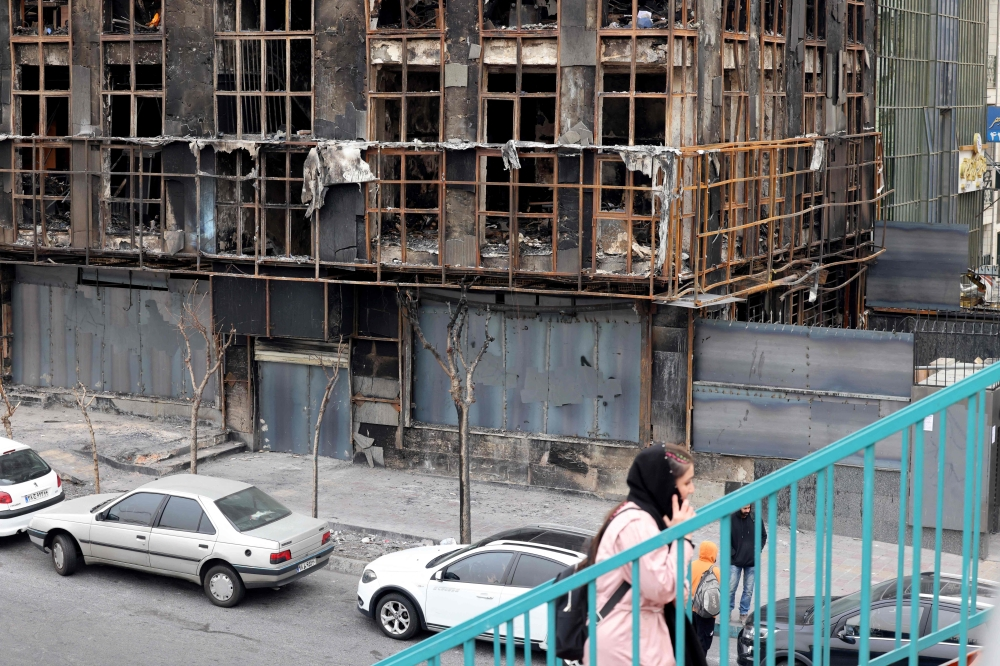
This call comes at a time when Iran is witnessing ongoing unrest that began on December 28, when protests initially erupted to denounce the deteriorating living and economic conditions, before quickly turning into a political movement raising slogans against the regime that has been in place since 1979. These events bring to mind the massive wave of protests that erupted in late 2022 following the death of young Mahsa Amini, which at the time constituted the biggest challenge to the Iranian leadership in decades.
In a strongly worded letter to the Council President, the countries supporting the request stressed the “urgent nature” of the situation, citing credible reports documenting horrific violence, the repression of protesters, and flagrant violations of international law across the country. These reports coincide with government measures that have included blocking internet services since January 8, making it difficult to document the violations and communicate the situation to the outside world.
Legal dimensions and expected impact
Procedurally, this meeting is of particular importance given the ongoing work of the Independent International Fact-Finding Mission on Iran, established by the Council in November 2022 and subsequently renewed. This meeting is expected to exert additional political and diplomatic pressure on Tehran and may pave the way for new UN resolutions condemning repressive practices or expanding the scope of international investigations.
Statistics cited by the United Nations, based on information from the Iran Human Rights Organization (IHR), point to alarming casualty figures, with reports indicating that at least 3,428 protesters have been killed. Other estimates from the same organization suggest the actual number could be much higher. Despite a decline in the momentum of the protests in recent days and assurances from Iranian officials that calm has been restored, the international community insists on keeping the human rights file open to ensure that perpetrators of serious violations are not allowed to escape punishment.