The UN Human Rights Council in Geneva unanimously adopted, without a vote, a landmark resolution submitted by Saudi Arabia in cooperation with the Gulf Cooperation Council (GCC) states and Jordan. The resolution focuses primarily on condemning Iran's attacks targeting countries in the region, demanding legal and human rights accountability for these serious violations of state sovereignty and security. This adoption followed an urgent debate convened by the GCC states and Jordan to address the ongoing repercussions of these interventions.
During the urgent debate, the Permanent Representative of the Kingdom of Saudi Arabia to the United Nations in Geneva, Ambassador Abdulmohsen bin Majid bin Khuthaila, delivered a firm statement reaffirming the Kingdom's unwavering position. The Ambassador emphasized that the Iranian attacks constitute a blatant violation of the sovereignty and territorial integrity of states, and a clear breach of international conventions and laws. He explained that targeting countries not party to any direct conflict is a flagrant act of aggression that cannot be justified or accepted under any circumstances, thus necessitating decisive international action.
The historical context of regional tensions and the need to condemn Iran's attacks
This diplomatic move was not a spur-of-the-moment decision, but rather the culmination of accumulated regional tensions in the Middle East over the past years. Historically, the Gulf Cooperation Council (GCC) states have faced recurring security challenges, including attacks targeting vital infrastructure, particularly energy facilities, which are a major artery of the global economy. Saudi Arabia and its allies have consistently sought to prioritize dialogue and diplomacy, resorting to international institutions such as the United Nations to ensure the maintenance of international peace and security. This current initiative within the Human Rights Council reflects a firm Gulf and Arab commitment to using legal mechanisms to put an end to interventions that destabilize the region.
Strategic dimensions and expected impact of the UN resolution
This UN resolution carries profound strategic importance that extends beyond the regional dimension to the international arena. Locally and regionally, the resolution sends a reassuring message to the peoples of the region that the international community stands united against any threats to their security, stability, and economic well-being. Internationally, the consensus of the Human Rights Council reinforces the strength of international law and holds Tehran accountable for its legal and moral responsibilities. Furthermore, highlighting the security of navigation in the Strait of Hormuz, through which a significant portion of the world's oil supply passes, underscores that the security of the Gulf is an integral part of global economic security.
Details of the decision and the demand for Tehran to comply immediately
The adopted resolution condemned Iran's attacks in the strongest terms, deeming them a grave breach of international peace and security and a violation of the sovereignty and territorial integrity of states, while emphasizing the need to ensure accountability for these violations. The resolution also condemned any acts or threats aimed at obstructing or interfering with international navigation through the Strait of Hormuz.
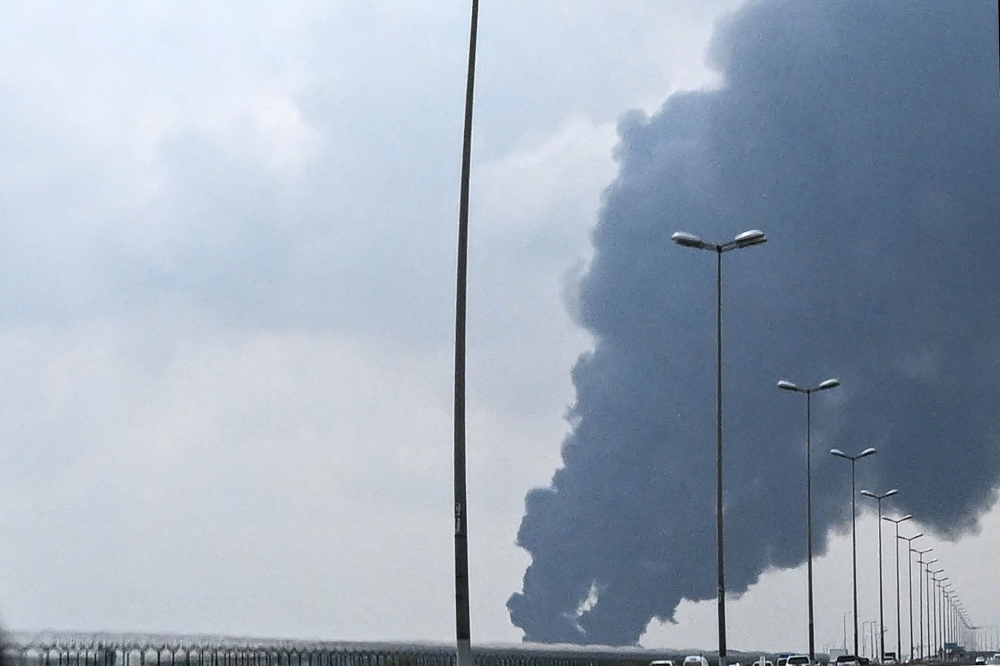
In its resolution, the Council expressed grave concern over the targeting of energy infrastructure, warning of the serious repercussions this has on the enjoyment of fundamental human rights. The resolution concluded by demanding that the Islamic Republic of Iran comply immediately with Security Council resolution 2817 and cease all practices and activities that threaten the security and stability of the region.