تحذير أممي من “انهيار مالي وشيك”
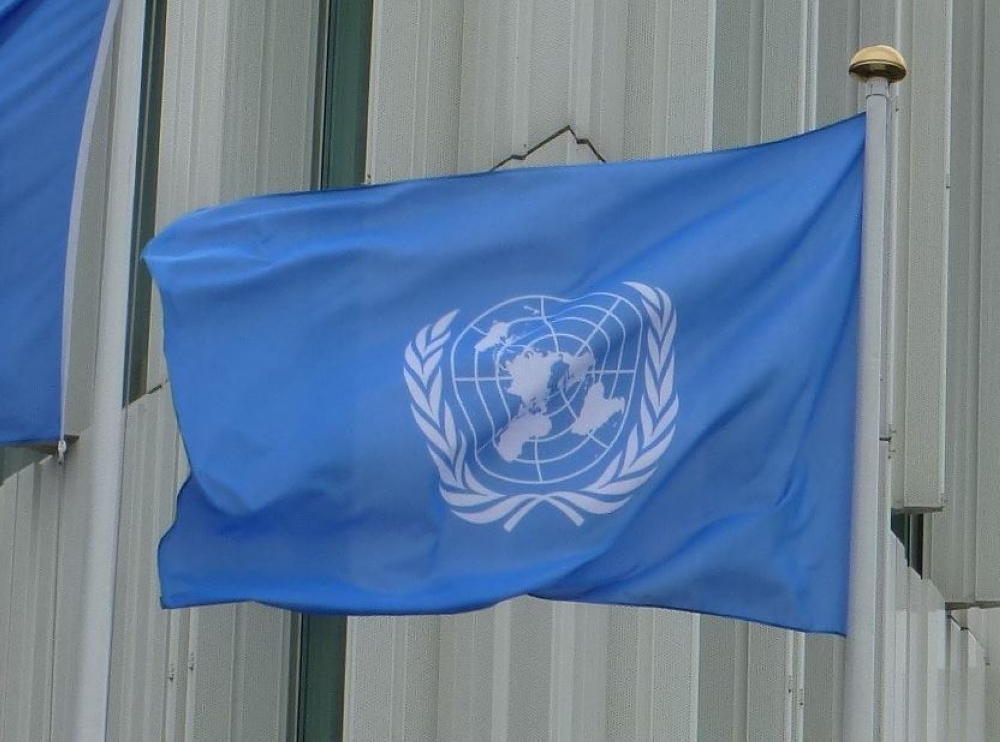
في ظل تصاعد الانقسامات الجيوسياسية وتفاقم الأزمات العالمية، أطلق الأمين العام للأمم المتحدة، أنطونيو غوتيريش، تحذيراً هو الأشد لهجة حتى الآن، مؤكداً أن المنظمة الدولية تواجه خطر “انهيار مالي وشيك” قد يشل قدرتها على أداء مهامها الأساسية. وفي رسالة عاجلة للدول الأعضاء، شدد غوتيريش على أن الوضع المالي الحالي “مختلف جذرياً” عن أي صعوبات سابقة، مرجعاً السبب الرئيسي إلى تخلف بعض الدول عن سداد مساهماتها الإلزامية في الميزانية العادية للمنظمة.
جذور الأزمة: سياق تاريخي وتمويل متعثر
تعتمد الأمم المتحدة في تمويلها بشكل أساسي على الاشتراكات الإلزامية التي تدفعها الدول الأعضاء البالغ عددها 193 دولة. يتم تحديد حصة كل دولة بناءً على حجم اقتصادها وقدرتها على الدفع، حيث تعد الولايات المتحدة المساهم الأكبر تاريخياً. لم تكن الأزمات المالية غريبة على المنظمة، ففي الماضي، استخدمت بعض الدول، وعلى رأسها الولايات المتحدة، تجميد أو تأخير دفع مساهماتها كوسيلة للضغط من أجل إجراء إصلاحات إدارية أو سياسية. إلا أن الأزمة الحالية تكتسب بعداً أكثر خطورة، حيث بلغت فجوة التمويل العام الماضي 1.6 مليار دولار، وهو ما يمثل ضغطاً غير مسبوق على سيولة المنظمة.
التأثيرات المتوقعة على السلم والأمن الدوليين
إن تداعيات هذا العجز المالي تتجاوز الأرقام المحاسبية لتطال صميم عمل الأمم المتحدة وتأثيرها العالمي. فالنقص الحاد في السيولة يهدد بشكل مباشر استمرارية عمليات حفظ السلام في مناطق النزاع الساخنة حول العالم، ويقوض جهود تقديم المساعدات الإنسانية لملايين المتضررين من الحروب والكوارث الطبيعية، كما يعرقل البرامج التنموية ومبادرات مكافحة تغير المناخ. وحذر غوتيريش من أن المنظمة قد تصل إلى مرحلة تنفد فيها سيولة الميزانية العادية بحلول شهر يوليو، مما قد يجبرها على تجميد التوظيف، وتقليص المهام، وتأخير المدفوعات، وهي إجراءات لم تعد كافية لمواجهة حجم الأزمة.
دعوة عاجلة لتفادي الكارثة
أمام هذا الوضع الحرج، دعا الأمين العام الدول الأعضاء إلى “الإيفاء الكامل وبلا تأخير بمستحقاتها” لتجنب الانهيار المالي. كما طرح خيار إجراء “مراجعة عميقة” للقواعد المالية للمنظمة لضمان استدامتها مستقبلاً. ويأتي هذا التحذير في وقت يشهد فيه العالم “انقسامات جيوسياسية مدمرة وانتهاكات فاضحة للقانون الدولي”، مما يجعل دور الأمم المتحدة، رغم التحديات، أكثر أهمية من أي وقت مضى للحفاظ على الحد الأدنى من الاستقرار العالمي ومواجهة التحديات المشتركة التي لا يمكن لأي دولة مواجهتها بمفردها.