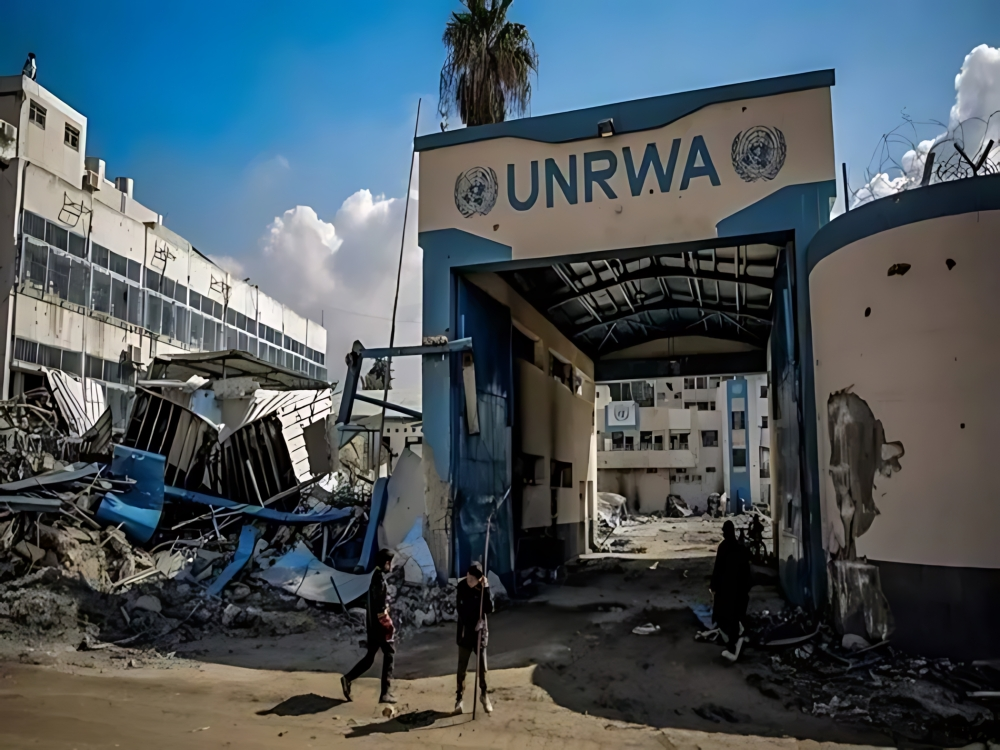
In a move reflecting the international consensus on the pivotal humanitarian role played by the organization, the United Nations General Assembly voted overwhelmingly to extend the mandate of the United Nations Relief and Works Agency for Palestine Refugees (UNRWA) for an additional three years, thus extending its current mandate until June 30, 2029. This decision reaffirms the international community's commitment to its responsibilities towards Palestinian refugees and ensures the continued flow of essential services to them until a just and comprehensive political solution to the Palestinian question is reached.
Commenting on this pivotal decision, UNRWA Commissioner-General Philippe Lazzarini welcomed the vote, describing it as a powerful message of global solidarity. Lazzarini stated, "This vote reflects broad international solidarity with Palestinian refugees and acknowledges the responsibility of the international community to support the humanitarian and development needs of Palestine refugees until a just and lasting solution is found to their decades-long suffering." The Commissioner-General stressed that this support must not remain merely political but must be translated immediately into a genuine financial commitment and the provision of the necessary resources to ensure the fulfillment of this mandate, particularly given the Agency's chronic financial deficit.
Historical context and pivotal role
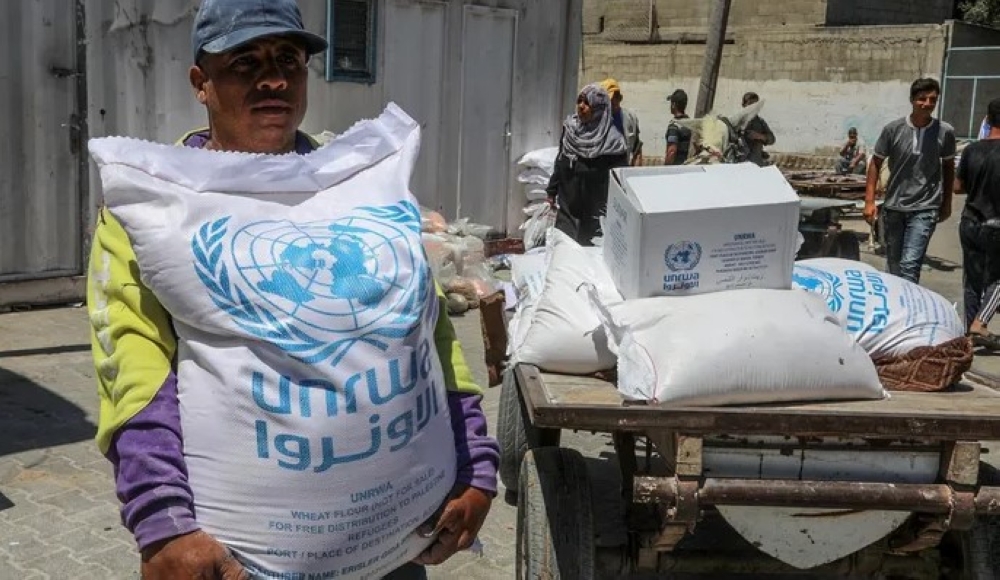
UNRWA was established by UN General Assembly Resolution 302 (IV) of 8 December 1949, with the aim of providing direct relief and employment programs for Palestine refugees. Since then, the Agency has been a lifeline for millions of refugees living in its five fields of operation: Jordan, Lebanon, Syria, the West Bank, and the Gaza Strip. It provides vital services including education, healthcare, relief and social services, and camp infrastructure, making it a key stabilizing force in a region marked by ongoing turmoil.
Unprecedented challenges and risks of a ban
The decision to extend UNRWA's mandate is of exceptional importance at this particular time, as it coincides with an unprecedented assault on the agency by the Israeli occupation authorities. The Israeli Knesset recently passed legislation aimed at banning UNRWA's activities in the occupied Palestinian territories and obstructing its work, a move that has sparked widespread international condemnation. Human rights and international organizations warn that implementing this ban will lead to the collapse of the humanitarian system in the war-torn Gaza Strip and will deprive millions of Palestinians in the West Bank and East Jerusalem of their fundamental rights to education and healthcare.
Regional and international repercussions
Observers believe that extending UNRWA's mandate represents a political blow to attempts to delegitimize the agency or dismantle the refugee issue before a final settlement. UNRWA's importance transcends its humanitarian dimension, constituting a pillar of regional security and stability. The absence of its services could lead to a dangerous vacuum and unpredictable security, political, and social repercussions in refugee-hosting countries. This decision places the onus on donor countries to increase their financial contributions to ensure the agency's operations continue, especially given warnings of a looming famine in northern Gaza due to the obstruction of aid delivery.