The United Nations on Tuesday expressed its deep concern and condemnation of the military operation carried out by US forces in Venezuela, which resulted in the arrest of President Nicolas Maduro and his wife, warning of the serious repercussions of this unilateral action on the system of international relations.
Ravina Shamdasani, spokeswoman for the UN High Commissioner for Human Rights, said during a press conference in Geneva that this move represents "an undermining of a fundamental principle of international law," stressing that "states must not threaten or use force against the territorial integrity or political independence of any other state," whatever the justifications.
Details of the UN position and the military operation
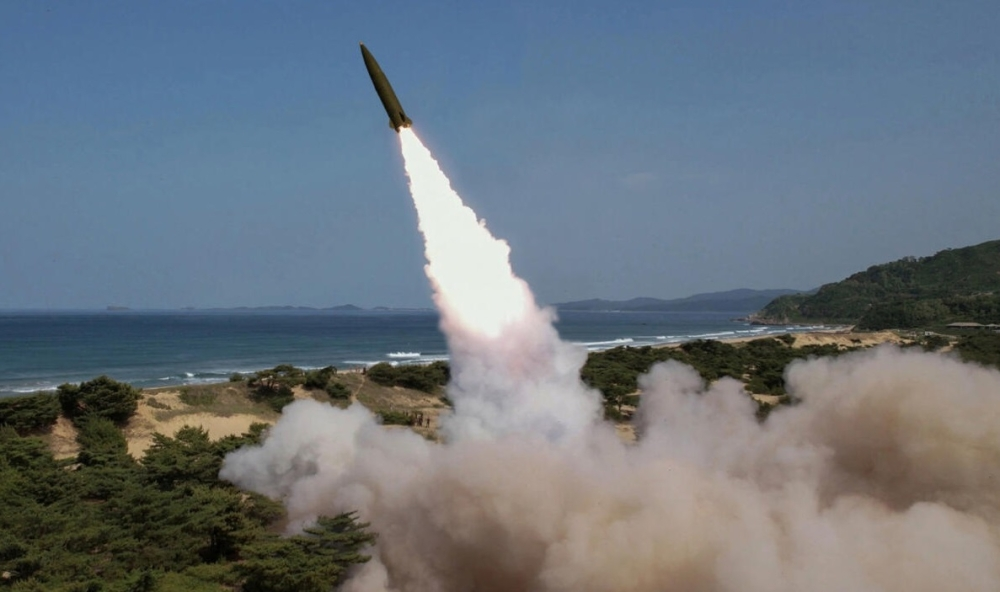
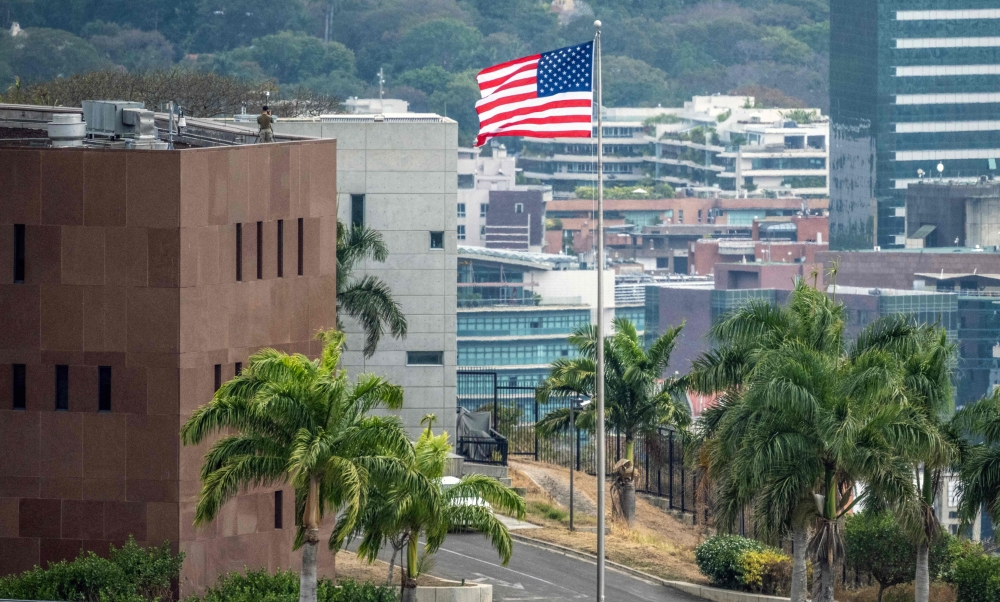
These fiery remarks followed a swift military operation by US forces on Saturday morning, which included an airstrike on the capital, Caracas, and a massive deployment of naval forces off the Venezuelan coast, culminating in the capture of Maduro and his wife, Cilia Flores. Shamdasani categorically rejected the justifications offered by Washington for the operation, which were based on "historical and horrific human rights violations" attributed to the Maduro regime.
The UN official stressed that "accountability for human rights violations is an absolute necessity, but it cannot be achieved through unilateral military intervention that violates the sovereignty of states and international laws governing conflicts.".
Historical background and escalating tension
This momentous event cannot be separated from the context of years of tension between Washington and Caracas. Since Maduro assumed power following the death of Hugo Chávez, relations have steadily deteriorated, punctuated by harsh US economic sanctions targeting the vital oil sector and previous attempts to isolate the regime diplomatically. Venezuela, which possesses the world's largest oil reserves, is experiencing a severe economic and humanitarian crisis that has led to the displacement of millions of its citizens.
Although the UN Human Rights Commission has been documenting for a decade the "continued deterioration of the situation in Venezuela," the international organization believes that external military solutions often lead to disastrous counterproductive results.
Potential regional and international repercussions
This direct military intervention carries far-reaching geopolitical implications. Observers believe it could reshape the balance of power in Latin America, raising concerns among regional states about a return to direct interventionist policies. The event is also expected to provoke angry reactions from Venezuela's international allies, potentially leading to sharp international polarization within the Security Council.
Shamdasani concluded her warnings by pointing to the humanitarian risks, saying: "We fear that the current instability and further militarization of the country resulting from US intervention will further worsen the humanitarian situation, forcing civilians to pay the heaviest price for this conflict.".