UN condemns 'irresponsible collapse' in funding
In a strongly worded statement, the UN High Commissioner for Refugees, Filippo Grandi, condemned the sharp and sudden reduction in humanitarian aid funding, describing it as a “sudden, irresponsible, and short-sighted collapse.” Speaking at the opening of the Global Refugee Forum follow-up meeting in Geneva, he warned of the dire consequences these cuts would have on the lives of millions of forcibly displaced people worldwide.
Context of escalating crises and historical background
This warning comes at a time when the world is experiencing a “virtual storm” of simultaneous crises, as Grandi described it. The bloody conflicts in Sudan, the war in Ukraine, the humanitarian catastrophe in Gaza, and the ongoing unrest in Myanmar have pushed the number of displaced people to unprecedented levels. The number of forcibly displaced people worldwide has more than doubled in just one decade, exceeding 117.3 million by mid-2023, a figure that continues to rise. The UNHCR was established in the aftermath of World War II to assist displaced Europeans, and since then its mandate has become global, relying almost entirely on voluntary contributions from governments and the private sector to continue its vital work.
The importance of the event and its expected impact
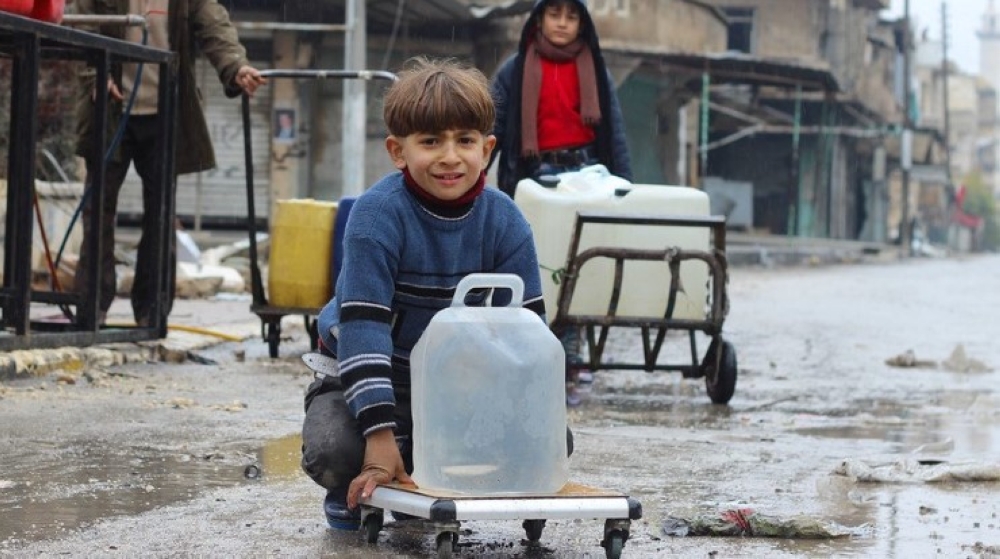
The severe funding shortfall is having disastrous consequences at all levels. At the local level, it means reduced food rations, closed medical clinics, children being denied education, and vulnerable families left without shelter or protection. UNHCR has already been forced to cut its funding by 35 percent since the beginning of the year, compelling it to eliminate thousands of jobs and scale back essential programs.
Regionally, declining international support is increasing pressure on host countries, which bear the brunt of hosting refugees, potentially destabilizing entire societies. Internationally, this decline erodes the principle of global solidarity and shared responsibility, undermining the credibility of the international humanitarian system. Grandi warned that this vacuum is being exploited by human traffickers for enormous profits, and by some politicians to "gain votes in elections" by demonizing refugees and scapegoating them, in a global context rife with hate speech and division.
An urgent call to renew commitments
The Geneva meeting is seen as a crucial opportunity for donor countries, the private sector, and civil society to renew their commitments and make concrete pledges. Given the profound crisis facing UNHCR and other humanitarian organizations, urgent action is no longer an option but an absolute necessity to prevent further human suffering and uphold the fundamental humanitarian principles upon which the international order is founded.