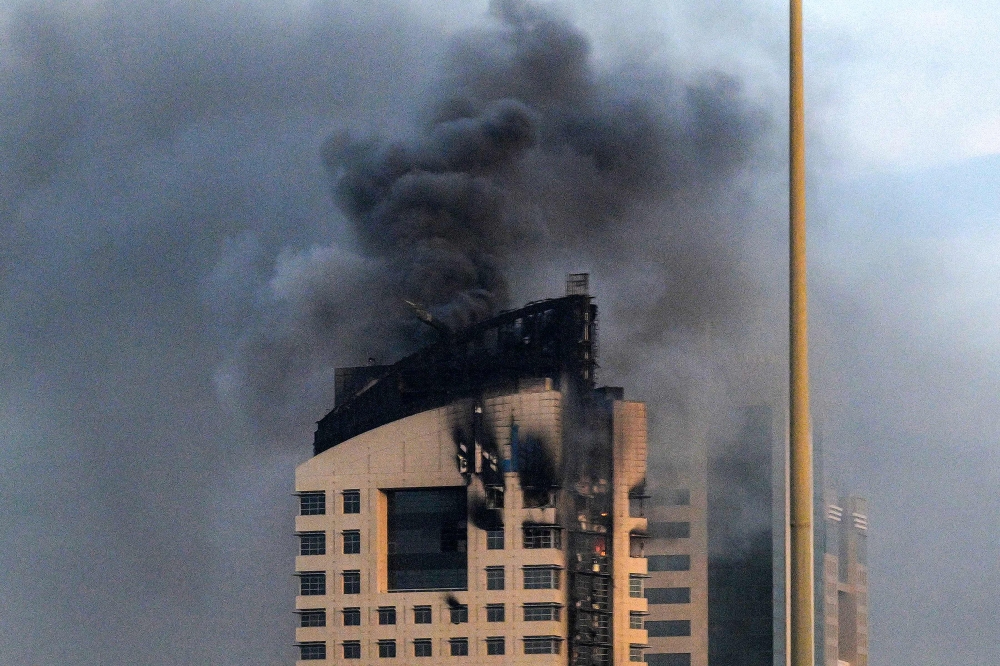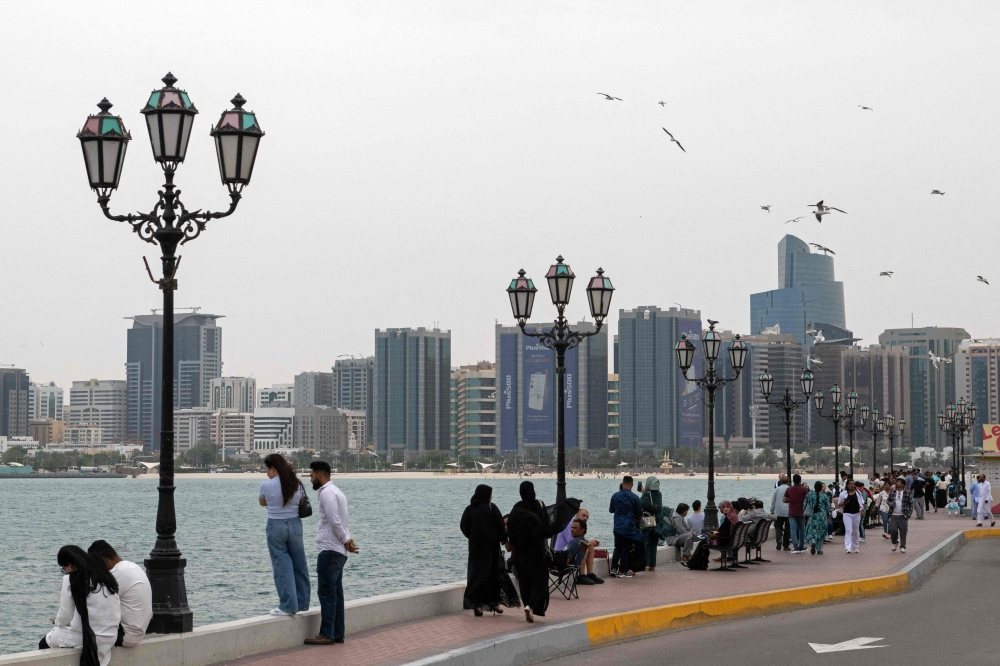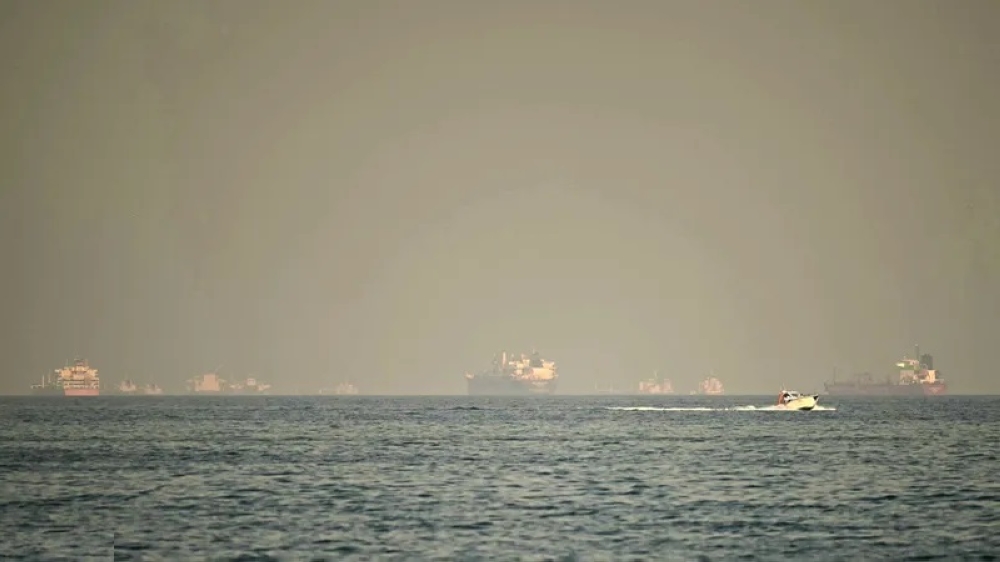
The UN Human Rights Council strongly condemned recent statements and actions by Iranian authorities suggesting a possible closure of the Strait of Hormuz. This condemnation comes amid escalating regional tensions that threaten serious repercussions for international freedom of navigation. The international community has expressed deep concern over these threats, emphasizing that any attempt to obstruct traffic in this vital waterway constitutes a flagrant violation of international laws and norms guaranteeing freedom of trade and navigation, and would negatively impact fundamental human rights related to global economic and food security.
Historical background of threats to close the Strait of Hormuz
Iran's threats to close the Strait of Hormuz are not a recent development; rather, they represent a political and military pressure tactic that Tehran has repeatedly employed over the past decades. The roots of these threats can be traced back to the Iran-Iraq War of the 1980s, specifically during what became known as the "Tanker War," when numerous commercial and oil tankers were targeted. Since then, whenever international economic sanctions against Iran have intensified or diplomatic tensions with Western countries have escalated, Tehran has resorted to brandishing the threat of closing the Strait as a tool for deterrence and bargaining. This historical context illustrates how the Strait has become a persistent flashpoint, troubling the international community and necessitating ongoing UN intervention to ensure regional stability.
The strategic importance of the strait and its global impact
The Strait of Hormuz is one of the world's most strategically important waterways, connecting the Arabian Gulf, the Gulf of Oman, and the Arabian Sea. Its paramount importance lies in its role as the main artery for global energy supplies; approximately one-fifth of the world's crude oil production, along with vast quantities of liquefied natural gas, passes through it. Any disruption to shipping traffic in this strait, even for a short period, would cause an immediate shock to global energy markets, leading to a sharp rise in fuel prices. This price increase would, in turn, affect production and transportation costs across all sectors, threatening global economic crises that would directly impact living standards in both developing and developed countries.
Humanitarian and economic repercussions of Iranian actions
The UN Human Rights Council's intervention to condemn these actions stems from a profound understanding of the catastrophic humanitarian consequences that could result from any crisis in the Strait. The right to development and an adequate standard of living are fundamental rights guaranteed by international law, and any disruption to global supply chains will exacerbate inflation and increase the prices of basic commodities and food. Furthermore, the escalating military tensions in the Gulf region threaten the safety and security of millions of civilians in littoral states and increase the likelihood of armed conflicts that could lead to widespread refugee and displacement crises. Therefore, the international community emphasizes the need for all parties to exercise restraint and respect international treaties that guarantee the continued openness and safety of international waterways for all, free from political and military conflicts.