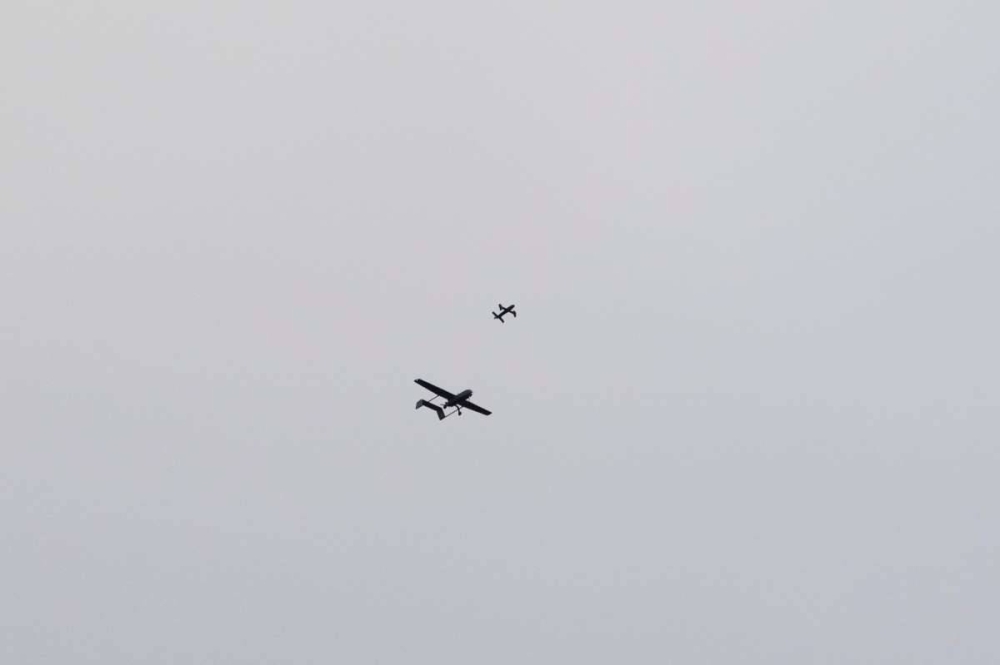
Russian authorities reported one death and two injuries in Sevastopol following a drone attack by Ukrainian forces that targeted the city overnight Wednesday into Thursday. The Russian Defense Ministry and local officials confirmed that air defense systems shot down 27 drones during the nighttime escalation, reflecting the continued rise in military tensions between Moscow and Kyiv.
Details of casualties following a Ukrainian drone attack on Crimea
In detailing the incident, Sevastopol Governor Mikhail Razvozhayev explained via his official Telegram channel that the attack resulted in the death of a man who was inside his home in a residential complex. He noted that this direct targeting by Ukrainian armed forces also resulted in injuries to two other people. Razvozhayev added that Russian air defense forces, in cooperation with Black Sea Fleet units, effectively countered the attack, destroying 27 drones before they reached their intended targets.
The strategic importance of the city of Sevastopol and its historical background
The coastal city of Sevastopol holds immense strategic importance in the course of the Russian-Ukrainian conflict, as it serves as the headquarters of Russia's Black Sea Fleet. The city is located on the Crimean Peninsula, which Russia annexed in 2014 in a move that sparked widespread international controversy and has not been recognized by the international community. Since the outbreak of the Russian-Ukrainian war in late February 2012, Crimea, and Sevastopol in particular, has become a frequent target of military operations. Through these attacks, Kyiv seeks to weaken the logistical and military capabilities of Russian forces, divert their attention to the southern and eastern fronts, and send a political message affirming Ukraine's determination to reclaim its territory.
The widening scope of mutual targeting and its regional impacts
The anticipated impact of these tit-for-tat attacks extends beyond the local level, encompassing broad regional and international repercussions. The continued targeting of infrastructure and residential areas further complicates the security landscape in the Black Sea region and directly impacts global shipping and trade. Adding to the escalating conflict, Vladimir Vladimirov, the governor of Russia's Stavropol region, announced that Russian air defenses had shot down several hostile drones attempting to target the industrial zone in the city of Nevinnomyssk, indicating Ukrainian efforts to strike at the heart of Russia's economic and industrial infrastructure.
On the other hand, amid the tit-for-tat attacks that characterize this phase of the war, Ukrainian authorities reported a Russian attack on the Black Sea port city of Odessa. This attack, which targeted a residential area in the south of the country, injured three people. These rapid developments on the ground reflect a shift in military tactics for both sides, with drones becoming a cornerstone of their strategy of attrition. This threatens to prolong the conflict and exacerbate the resulting humanitarian and economic crises on the international stage.