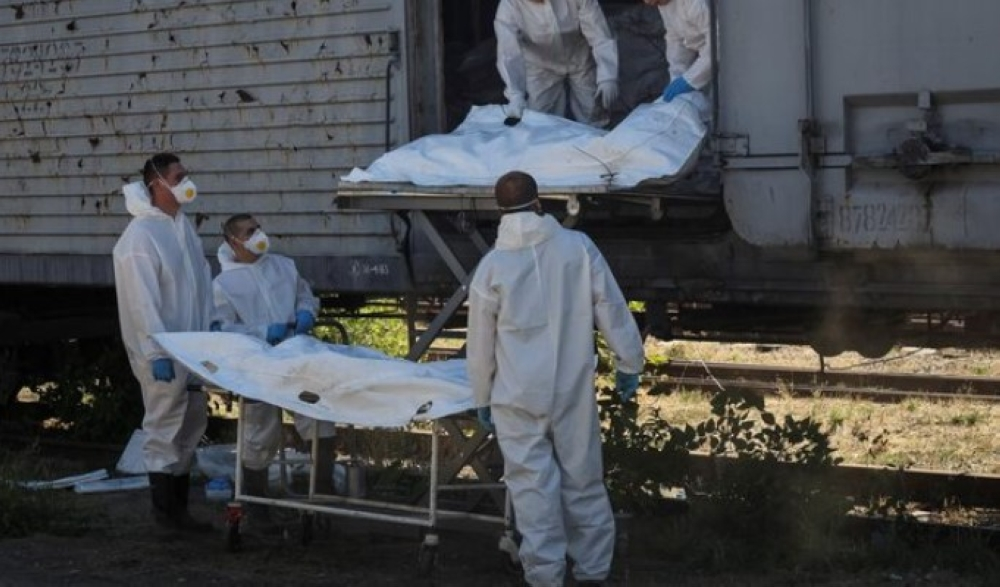
أعلنت السلطات الأوكرانية، يوم الخميس، عن تنفيذ عملية إنسانية واسعة النطاق تم بموجبها استعادة جثامين 1000 شخص من روسيا، يُعتقد أنهم جنود أوكرانيون سقطوا في المعارك الدائرة. وفي المقابل، قامت كييف بتسليم رفات 38 جنديًا روسيًا إلى موسكو، في خطوة نادرة تسلط الضوء على الكلفة البشرية الباهظة للصراع المستمر.
وأكد المركز الأوكراني لتنسيق شؤون أسرى الحرب في بيان رسمي أن “إجراءات إعادة الجثث قد نُفذت اليوم، حيث تسلم الجانب الأوكراني 1000 جثة قال الجانب الروسي إنها تعود لعسكريين أوكرانيين”. وتعتبر هذه العملية واحدة من أكبر عمليات تبادل الرفات منذ بدء الغزو الروسي الشامل في فبراير 2022، مما يعكس حجم الخسائر البشرية في النزاع.
السياق العام والخلفية التاريخية
تأتي هذه العملية في سياق حرب طويلة ومستنزفة، شهدت العديد من عمليات تبادل الأسرى والقتلى بين الطرفين. وغالباً ما تتم هذه التبادلات بعد مفاوضات معقدة وسرية، تتوسط فيها أطراف ثالثة أحياناً مثل تركيا أو منظمات دولية كاللجنة الدولية للصليب الأحمر. ورغم استمرار الأعمال العدائية، تظل هذه العمليات الإنسانية نافذة أمل للعائلات التي تعيش في حالة من عدم اليقين بشأن مصير أحبائها المفقودين. إن إعادة الجثامين تسمح للأسر بإقامة مراسم دفن لائقة وتكريم ذويهم، وهو ما يمثل جزءاً أساسياً من عملية الحداد وإغلاق هذا الفصل المؤلم من حياتهم.
الأهمية والتأثير المتوقع
على المستوى المحلي، تحمل هذه العملية أهمية إنسانية قصوى. فبالنسبة لمئات العائلات الأوكرانية والروسية، تضع هذه الخطوة نهاية لحالة الانتظار والقلق الطويل، وتوفر لهم فرصة للوداع الأخير. أما على الصعيدين الإقليمي والدولي، فإن مثل هذه التبادلات، على الرغم من كونها مؤشراً على حجم المأساة، يُنظر إليها كبادرة إيجابية نادرة في ظل الاستقطاب الشديد. كما أنها تبرز الدور الحاسم للقانون الإنساني الدولي الذي يحث أطراف النزاع على البحث عن المفقودين وجمع رفات القتلى وتحديد هوياتهم وإعادتهم إلى عائلاتهم. ويواجه الجانب الأوكراني الآن تحدياً لوجستياً كبيراً يتمثل في تحديد هويات هذا العدد الكبير من الجثامين، وهي عملية تتطلب جهوداً مضنية في مجال الطب الشرعي وتحليل الحمض النووي للوصول إلى أسر الضحايا.