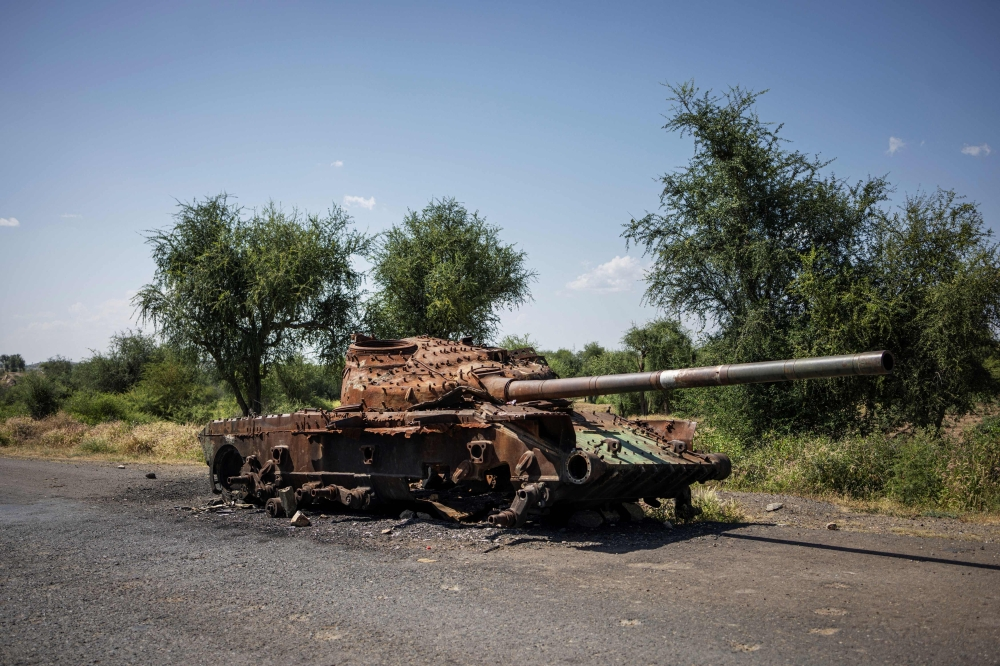
أصدرت المملكة المتحدة تحذيراً عاجلاً لمواطنيها، حثتهم فيه على تجنب السفر إلى إقليم تيغراي بشمال إثيوبيا، وذلك في أعقاب تجدد الاشتباكات وتصاعد التوترات بين القوات المحلية والجيش الفيدرالي. ويأتي هذا التحذير ليعكس المخاوف الدولية المتزايدة من انهيار اتفاق السلام الهش الذي أنهى عامين من الحرب المدمرة، واندلاع موجة جديدة من العنف في منطقة القرن الأفريقي الحيوية.
خلفية الصراع وجذور التوتر
لم تكن التوترات الحالية وليدة اللحظة، بل هي امتداد لصراع معقد وعميق الجذور. اندلعت الحرب في نوفمبر 2020 بين الحكومة الفيدرالية الإثيوبية بقيادة رئيس الوزراء آبي أحمد، والجبهة الشعبية لتحرير تيغراي التي كانت تهيمن على السياسة الإثيوبية لعقود قبل وصول آبي إلى السلطة في 2018. تصاعد الخلاف بعد أن مضت الجبهة في إجراء انتخابات إقليمية اعتبرتها أديس أبابا غير شرعية، مما أدى إلى تدخل عسكري فيدرالي واسع النطاق في الإقليم. شهدت الحرب التي استمرت لعامين تدخل أطراف إقليمية، أبرزها إريتريا وقوات من إقليم أمهرة المجاور، وأسفرت عن كارثة إنسانية مروعة.
أهمية اتفاق السلام وتحديات التنفيذ
في نوفمبر 2022، تم التوصل إلى اتفاق سلام تاريخي في بريتوريا بجنوب أفريقيا، بوساطة من الاتحاد الأفريقي. نص الاتفاق على وقف الأعمال العدائية، ونزع سلاح قوات تيغراي، وانسحاب القوات الأجنبية وغير الفيدرالية من الإقليم، واستعادة السلطة الفيدرالية. ورغم أن الاتفاق أوقف القتال واسع النطاق وسمح بوصول المساعدات الإنسانية، إلا أن تنفيذه واجه تحديات كبيرة. لا تزال مناطق في غرب وجنوب تيغراي، مثل تسملت التي شهدت الاشتباكات الأخيرة، تحت سيطرة قوات أمهرية تطالب بالسيادة عليها، وهو ما يمثل نقطة خلاف جوهرية تهدد بنسف عملية السلام برمتها.
التأثيرات المحلية والإقليمية والدولية
إن أي عودة للصراع سيكون لها عواقب وخيمة على كافة المستويات. محلياً، سيعمق الأزمة الإنسانية في إقليم تيغراي الذي لم يتعاف بعد من آثار الحرب السابقة، حيث تشير تقديرات الاتحاد الأفريقي إلى مقتل ما يصل إلى 600 ألف شخص، ونزوح الملايين، ومعاناة السكان من مجاعة حادة. إقليمياً، يهدد تجدد القتال بزعزعة استقرار منطقة القرن الأفريقي بأكملها، وقد يفتح الباب أمام تدخلات خارجية جديدة، مما يعقد المشهد الأمني الهش أصلاً. دولياً، يمثل التحذير البريطاني، إلى جانب قلق الأمم المتحدة والاتحادين الأفريقي والأوروبي، مؤشراً على فقدان الثقة في قدرة الأطراف على الالتزام بالسلام، ويزيد من الضغط الدبلوماسي على حكومة آبي أحمد لضمان تنفيذ كامل لبنود اتفاق بريتوريا وتجنب الانزلاق مجدداً إلى الحرب.