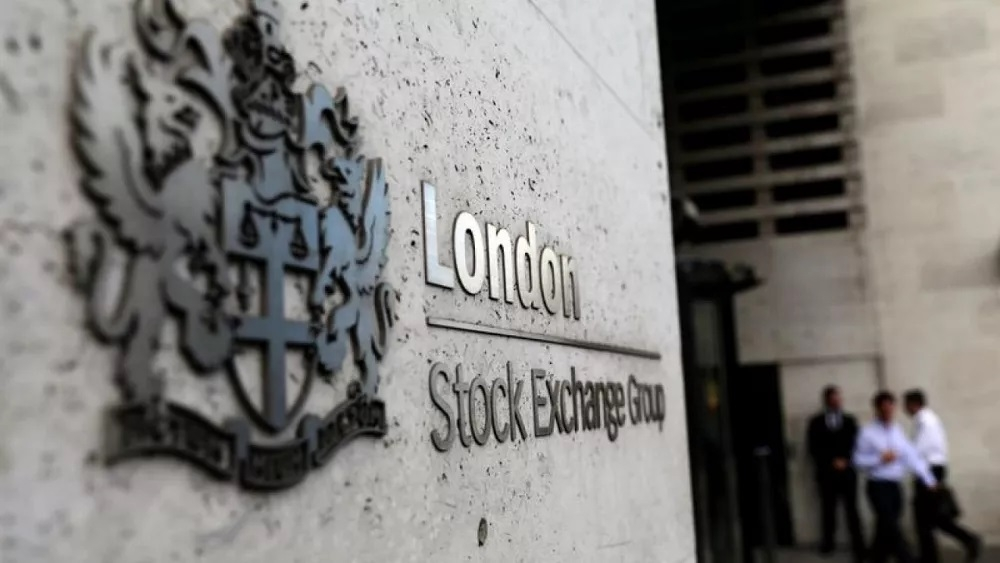
The London Stock Exchange saw a positive trading session, with its main index, the FTSE 100, closing up 0.56%. The index, which tracks the performance of the 100 largest listed companies in the UK by market capitalization, added 59.85 points, reflecting investor optimism and confidence in the near-term outlook for the British economy.
General context and market performance
This rise comes within a complex global and domestic economic context. The FTSE 100 is considered one of the most important financial indicators in Europe and the world, not only because it reflects the health of the British economy, but also because many of its constituent companies generate their revenue from international markets. This global nature makes it highly sensitive to global economic trends, such as commodity prices and the monetary policies of major central banks like the US Federal Reserve and the European Central Bank.
Historically, the index's performance has been affected by major events such as the 2008 global financial crisis, the 2016 Brexit vote, and the COVID-19 pandemic. The index is characterized by the diversity of its sectors, which include energy (such as Shell and BP), mining (such as Glencore and Rio Tinto), banks (such as HSBC and Barclays), and pharmaceutical companies (such as AstraZeneca and GlaxoSmithKline).
Inflation data and its impact on Bank of England decisions
The main driver of the positive performance in this session was the release of important economic data, most notably the inflation figures. Data from the UK's Office for National Statistics showed that the Consumer Price Index (CPI) slowed, bolstering market hopes that the Bank of England might cut interest rates at its upcoming meetings. The figures indicated that consumer prices rose by 3.0% year-on-year in January, compared to a 3.4% increase in December, driven by a slower pace of price increases for transportation, food, and non-alcoholic beverages.
Investors tend to welcome the prospect of interest rate cuts, as they reduce the cost of borrowing for businesses, which can stimulate growth and investment, and make stocks more attractive compared to fixed-income investments such as bonds.
Importance and expected impact
Domestically, the rising stock market boosts confidence in the economy and positively impacts the pension funds and individual investments of millions of Britons. Internationally, the performance of the London Stock Exchange remains a key indicator for global investors looking to diversify their portfolios. However, the UK economy continues to face challenges, including rising living costs and slow economic growth, leading investors to closely monitor upcoming economic data and monetary policy decisions to determine the next market direction.