Tensions escalate between the United Kingdom and Russia
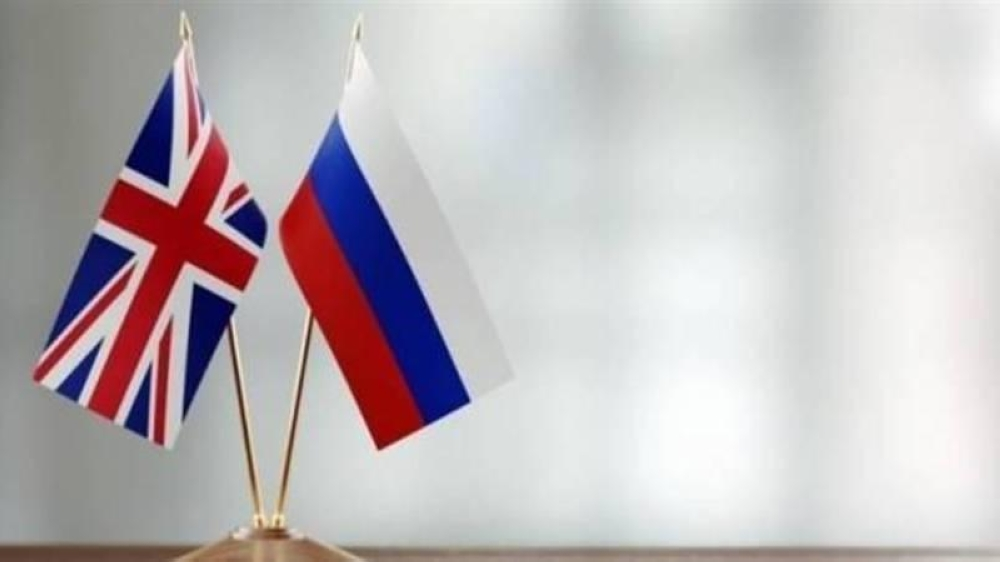
In a move reflecting the deep tensions in bilateral relations, the United Kingdom announced the withdrawal of accreditation for a Russian diplomat in response to what it described as Moscow’s “unjustified” decision to expel a British diplomat last month. The Foreign Office in London confirmed in a statement on Monday that it would not stand idly by in the face of what it considered the “intimidation” of its embassy staff and Russia’s continued attempts to obstruct the work of its diplomatic missions. The Russian ambassador was summoned and informed of the British decision and warned that any further action by Moscow would be considered an escalation and would be met with a reciprocal response.
A historical background of mistrust
This latest move cannot be understood in isolation from the long history of strained relations between London and Moscow, marred by accusations of espionage and interference since the Cold War. Recent years have witnessed a sharp deterioration, particularly following the 2018 poisoning of former double agent Sergei Skripal and his daughter Yulia in Salisbury with the nerve agent Novichok, an attack Britain blamed on Russian military intelligence. This incident led to the largest tit-for-tat expulsion of diplomats since the Cold War. Prior to that, the 2006 assassination of Russian dissident Alexander Litvinenko in London with radioactive polonium had cast a long shadow over relations for a decade.
The impact of the Ukraine war on diplomatic relations
Russia’s full-scale invasion of Ukraine in February 2022 drove British-Russian relations to an all-time low. From the outset of the conflict, the UK emerged as one of Ukraine’s staunchest supporters, providing substantial military, financial, and humanitarian aid, and imposing stringent sanctions on the Kremlin and Russian entities. This unwavering British stance made it a prime target of hostile Russian rhetoric. Consequently, recent diplomatic actions, such as the expulsion of British envoy Gareth Samuel Davies on suspicion of being a British intelligence agent, are seen as part of a broader Russian strategy to pressure and deter countries supporting Kyiv from continuing their support.
Importance and potential repercussions
Although reciprocal diplomatic expulsions are a common tool in international disputes, their timing, amid the ongoing war in Ukraine, lends them greater weight. This escalation further restricts the already limited diplomatic channels between the two countries, channels essential for crisis management and preventing miscalculations that could have dire consequences. It also sends a clear message to the international community that the rift between Russia and the major Western powers is deepening, with the potential for tensions to spill over from the diplomatic arena into other areas such as cybersecurity and economic sanctions. Western allies are closely monitoring this development, as it signals Moscow's willingness to intensify its confrontation with countries that support Ukraine.