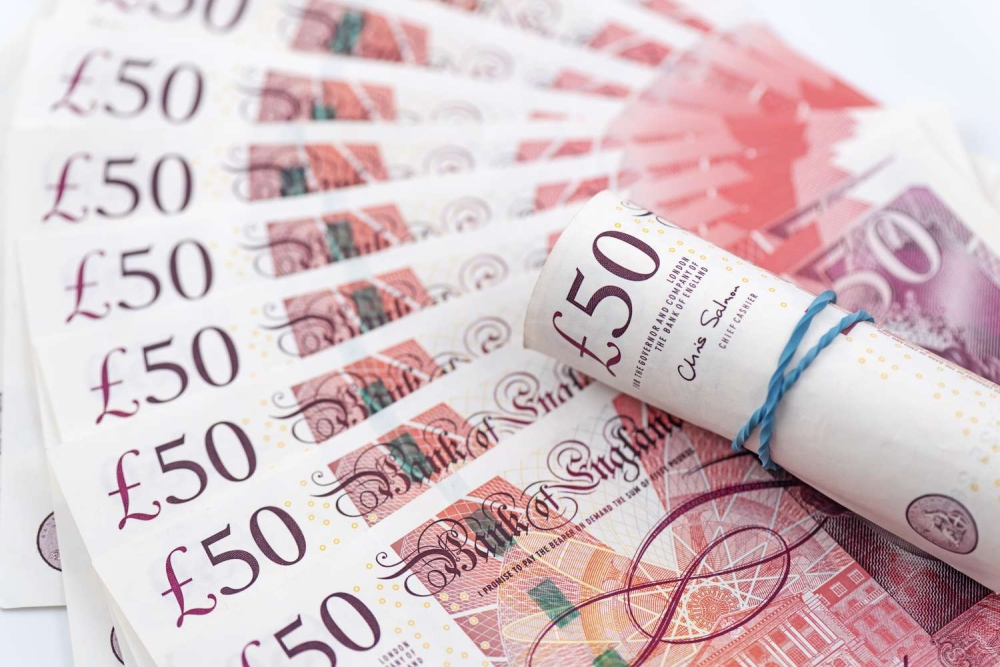
Mixed performance for the British pound in the currency markets
The British pound saw mixed performance on Wednesday following the release of UK inflation data that showed a marked slowdown. The currency fell against the US dollar but gained against the euro, reflecting market reactions to shifting expectations regarding the Bank of England's future interest rate policy.
In trading details, the pound closed at $1.3533 in London, down 0.18%. Conversely, it rose 0.12% against the euro to €1.1461.
UK inflation data: Slowdown opens the door to speculation
The currency's movements were a direct reaction to data released by the UK's Office for National Statistics, which showed that the annual inflation rate fell to 3% in January, compared to 3.4% in December. This figure represents the lowest inflation level since March 2024, indicating the relative success of the Bank of England's .
The statistics office attributed this slowdown primarily to a less pronounced rise in transportation and food prices. On a monthly basis, the consumer price index fell by 0.5% in January. Inflation in the services sector, which is closely monitored by the central bank, also eased slightly to 4.4% from 4.5% in December.
General context: Britain's battle against high inflation
These figures come in the context of a long battle waged by the British economy, like many major economies, against an unprecedented wave of inflation that followed the coronavirus pandemic and the global energy crisis. Inflation in the UK peaked at over 11% in late 2022, its highest level in decades, triggering a severe cost-of-living crisis that affected households and businesses. The Bank of England has been aggressively raising interest rates, which have reached 5.25%, their highest level in 16 years, with the aim of curbing inflation.
Importance and expected impact: All eyes are on interest rates
The decline in inflation is significant on several levels. Domestically, it is good news for consumers, as it eases the pressure of the cost of living. For financial markets, the slowdown in inflation increases the likelihood that the Bank of England will begin cutting interest rates sooner than expected. This expectation explains the weakness of the pound against the dollar, as lower interest rates reduce the currency's appeal to investors seeking higher returns.
Internationally, this development puts the Bank of England in a race with the European Central Bank and the US Federal Reserve, both of which are preparing to ease their monetary policies. The future movements of the pound will remain contingent on the speed and magnitude of the expected interest rate cuts in these major economies, thus maintaining volatility in global currency markets.