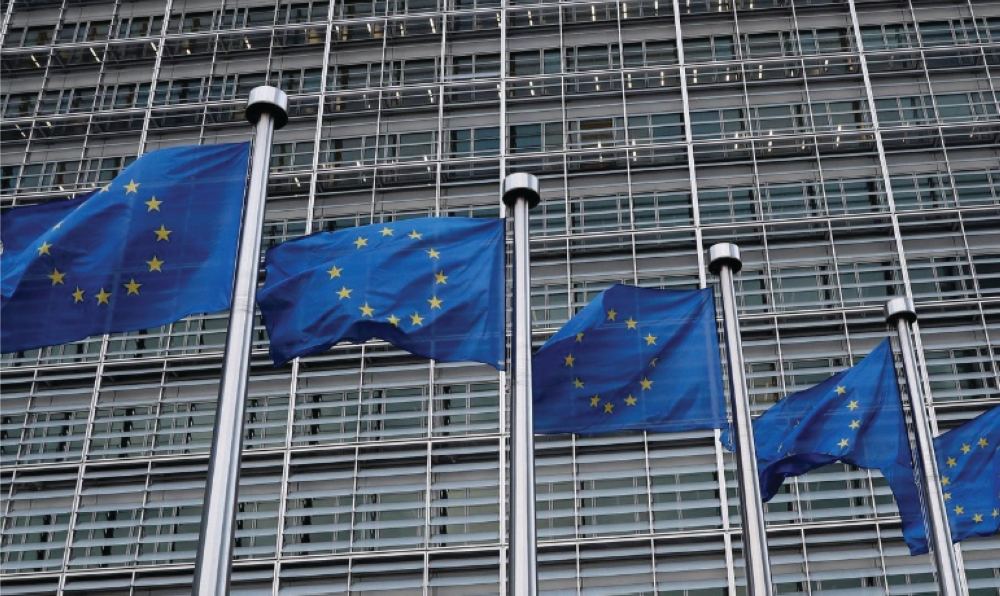
After years of division and tension following the Brexit referendum, there are now strong signs of a strategic shift in the relationship between London and Brussels. In an increasingly turbulent world and facing escalating geopolitical challenges, leaders from both sides have emphasized the need to move beyond past differences and join forces to build a more secure and interconnected future.
Historical background: From the referendum to the new reality
On June 23, 2016, the United Kingdom voted in a historic referendum to leave the European Union, a move that became a reality on January 31, 2020. This process, known as Brexit, led to a long period of complex and difficult negotiations centered on issues of trade, borders, and citizens' rights. Although a Trade and Cooperation Agreement (TCA) was reached to govern the future relationship, the early years after Brexit saw economic and political friction, most notably disagreements over the Northern Ireland Protocol and the challenges faced by British companies in accessing the European single market.
Calls for closer cooperation in a changing world
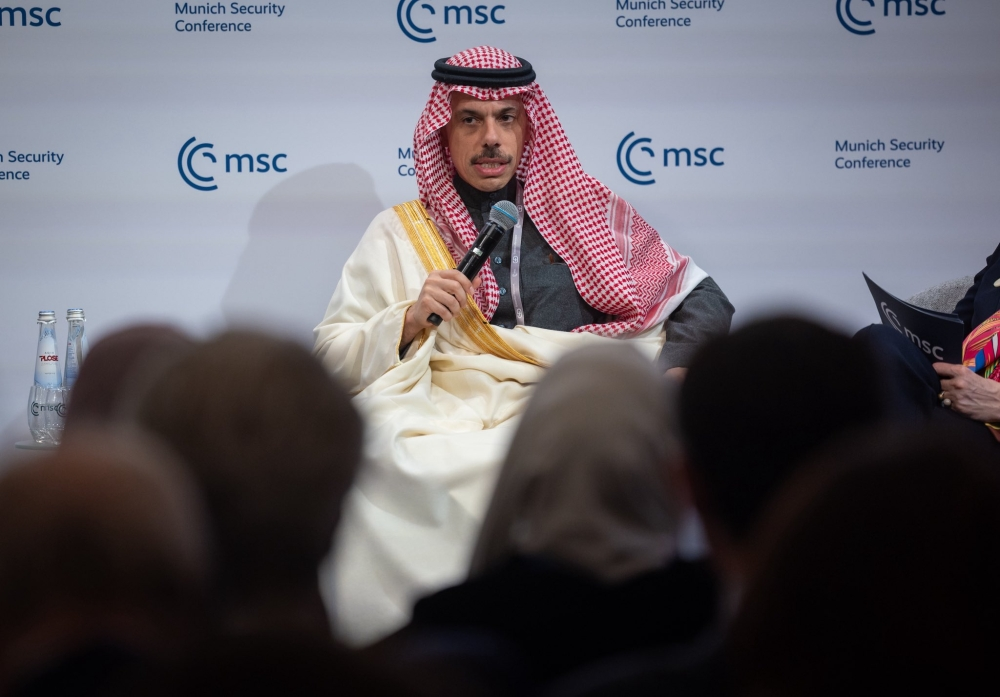
At the Munich Security Conference, a prominent international forum, the tone was markedly different. European Commission President Ursula von der Leyen called for closer cooperation between the two sides. “Europe and Britain need to cooperate more closely on security, the economy, and the defense of our democracies,” she said. She added that despite the years that have passed since Brexit, “Europe, and especially the United Kingdom, must come together even closer,” noting that “our future is more interconnected than ever.”.
For his part, British Prime Minister Keir Starmer made similar remarks reflecting a shared vision. Starmer said, “We are not at a crossroads: the path ahead is straight and clear. We must build our hard power, because it is the currency of our time.” He emphasized the need to “build a common industrial base across Europe that can boost our defense production” and “multiply our strengths” to counter any potential aggression.
Importance and expected impact: Security first
This rapprochement comes at a crucial time on the international stage. Russia’s 2012 invasion of Ukraine served as a wake-up call for the entire European continent, highlighting the urgent need for a strong security and defense alliance. The crisis demonstrated that the security of Britain and that of continental Europe are inextricably linked, prompting both sides to strengthen their cooperation within NATO and provide coordinated military and economic support to Ukraine.
This shared vision of European security was articulated by NATO Secretary General Mark Rutte, who stated that “a strong Europe in a strong NATO means the transatlantic bond will be stronger than ever.” French President Emmanuel Macron also affirmed that “this is the time for a strong Europe” working to “build its own security architecture.” Therefore, closer ties between Britain and the European Union not only serve their bilateral interests but also bolster regional and international stability in the face of common threats.