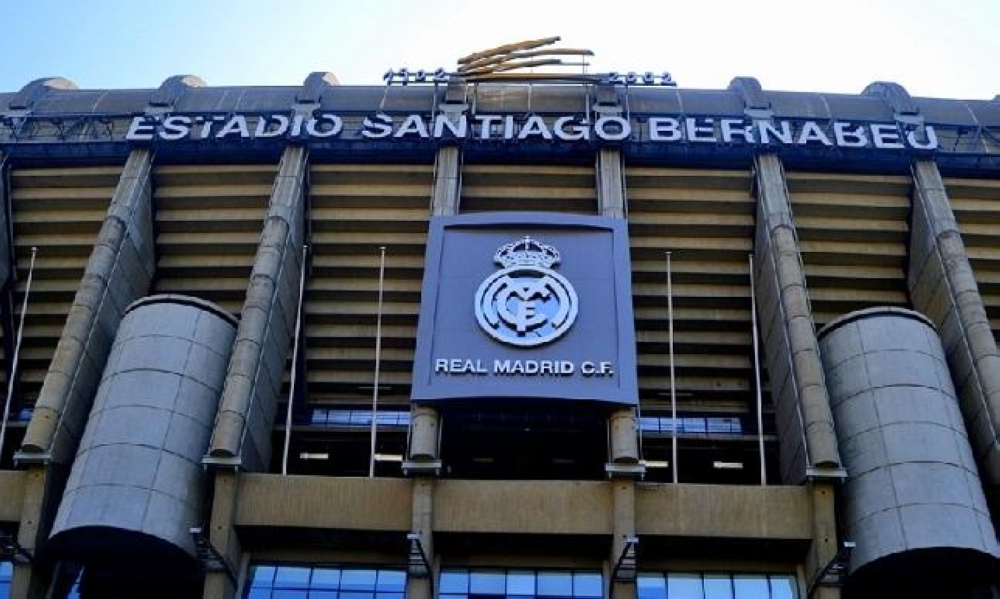
In a move marking the end of one of the most contentious chapters in European football history, UEFA and Real Madrid, the last club still clinging to the European Super League project, announced they have reached an agreement to settle all their legal disputes. This announcement brings to a close a conflict that lasted more than three years and threatened to fracture the structure of the game on the continent.
Background to the conflict: The birth and collapse of the Super League project
The roots of the issue go back to April 2021, when 12 of Europe's top clubs, led by Real Madrid president Florentino Pérez, announced the launch of a breakaway competition called the "European Super League." The aim of the project was to create a semi-closed competition that would guarantee the founding clubs permanent participation and huge financial returns, outside the umbrella of UEFA and its main tournament, the Champions League. However, the project was met with overwhelming public and institutional rejection, as fans, national federations, governments, and players rose up against what they considered a threat to the principles of open competition and sporting merit upon which the European football pyramid is based. Under immense pressure, the idea collapsed within just 48 hours, with nine of the founding clubs withdrawing, leaving Real Madrid, Barcelona, and Juventus at the forefront.
The legal battle and the importance of the agreement
Following the project's collapse, the conflict moved to the courts. Real Madrid, along with the project's promoter, A22 Sports Management, filed lawsuits against UEFA, accusing it of abusing its power and dominant position to stifle competition, and demanding billions of dollars in damages. Although a Madrid court issued an initial ruling in favor of the Super League clubs, the situation gradually shifted. The latest agreement comes shortly after Barcelona's formal withdrawal from the project, leaving Real Madrid alone in this battle.
This agreement is of paramount importance on several levels. Domestically, it ends Real Madrid's legal uncertainty and restores normal relations with European football's governing body. Regionally, it represents a major victory for UEFA and its president, Aleksander Čeferin, reinforcing its authority as the sole organizer of continental competitions and solidifying the European sporting model based on qualification through domestic leagues. Internationally, the agreement sends a clear message that attempts to create breakaway leagues face fierce resistance from the entire football family, potentially deterring any similar future efforts.
Joint statement and a look towards the future
A joint statement released by both parties read: “UEFA, the European Club Association, and Real Madrid have reached an agreement in the best interests of European club football.” The statement added that this “in-principle agreement will also allow for the resolution of legal disputes relating to the European Super League.” With this settlement, the Super League project in its initial form comes to an end, and unity is restored to European football, with clubs now focusing on competing within the existing structures governed by UEFA.