The Black Sea region witnessed a dangerous new escalation when a Turkish cargo ship sustained significant damage following a Russian missile strike near the Ukrainian city of Odessa. The ship's operator and Ukrainian authorities confirmed the incident, raising renewed concerns about the safety of commercial shipping in this vital region, which is experiencing ongoing military tensions.
Details of the attack on the ship “Sunk T”
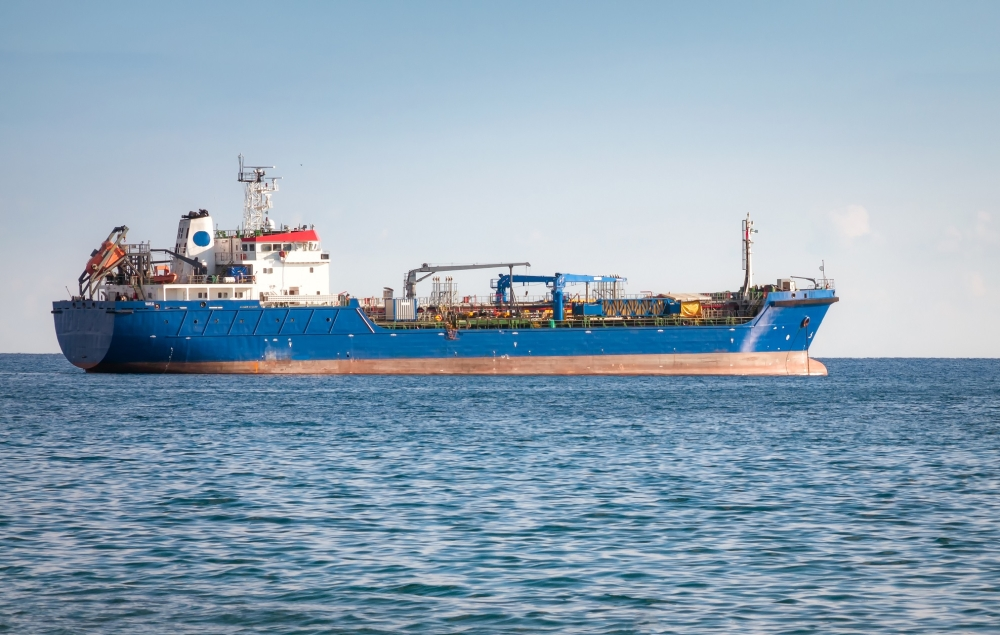
The Turkish shipping company Cenk Shipping, which operates the vessel, announced that its 185-meter-long, Panamanian-flagged ship, the M/V Cenk T, was attacked from the air on Friday afternoon. According to the statement, the attack occurred shortly after the ship docked at the port of Chornomorsk, near the strategic port of Odessa.
The ship was carrying an entirely civilian cargo of trucks loaded with fresh fruit, vegetables, and foodstuffs, and was operating on the Karasu-Odessa route. Images circulating on social media showed flames rising from the vessel, but initial reports indicated no injuries among the crew.
Ukrainian reactions and accusations against Moscow
Kyiv was quick to condemn the attack, with Oleksiy Kuleba, the Ukrainian deputy prime minister in charge of reconstruction, stating via Telegram that Russian forces “fired a missile targeting civilian port facilities in the Odessa region.”.
For his part, Ukrainian President Volodymyr Zelensky confirmed that the civilian vessel had been damaged, noting that this incident “demonstrates once again that the Russians not only refuse to take diplomatic opportunities seriously, but are continuing their war aimed at destroying normal life in Ukraine.”.
Strategic context: The Black Sea is an arena of conflict
This incident is not isolated, but comes within a broader context of conflict in the Black Sea since Russia withdrew from the Black Sea Grain Initiative in July 2023. Since then, Moscow has intensified its targeting of Ukrainian port infrastructure to disrupt Kyiv's exports, while Ukraine has responded with naval and air drone attacks on Russian ships and facilities.
This region is of paramount geopolitical and economic importance, serving as a vital artery for exporting food and energy to the world. Targeting commercial vessels drives up maritime insurance costs and disrupts global supply chains, threatening the food security of importing nations.
Turkish diplomacy and efforts to neutralize ports
Amid this escalation, Turkey plays a pivotal role as the custodian of the Bosphorus and Dardanelles straits under the Montreux Convention. The Turkish Foreign Ministry has called for a "suspension" of attacks on ports and energy facilities, emphasizing the importance of an immediate ceasefire.
This incident coincided with intensified diplomatic efforts, as Turkish President Recep Tayyip Erdoğan, during a meeting with his Russian counterpart Vladimir Putin in Turkmenistan, called for an agreement to keep ports and energy infrastructure out of the military conflict. Ankara views the continued targeting of commercial vessels as a “worrying escalation” that could drag the region into wider confrontations.