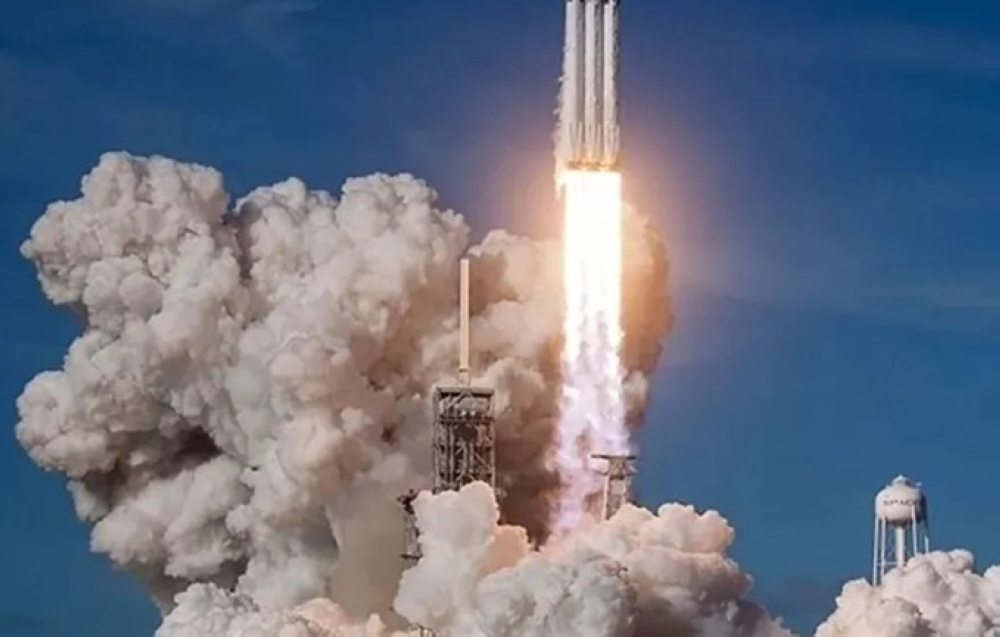
في خطوة تاريخية تعكس طموحاتها المتنامية في قطاع الفضاء، أعلنت تركيا عن نجاحها في إطلاق أول قمر صناعي لها مخصص لتقنيات إنترنت الأشياء (IoT)، والذي يحمل اسم “لونا 1”. وقد تم استقبال أولى الإشارات من القمر الصناعي بنجاح في المحطات الأرضية بالعاصمة أنقرة، مما يؤكد أن جميع أنظمته تعمل بشكل طبيعي ومستقر.
تمت عملية الإطلاق من قاعدة فاندنبرغ الجوية في ولاية كاليفورنيا الأمريكية، بواسطة صاروخ “فالكون 9” التابع لشركة “سبيس إكس”، وهو ما يمثل تعاونًا دوليًا مهمًا في هذا المشروع الرائد. وأكدت شركة “أسيلسان” التركية للصناعات الدفاعية والإلكترونية، المسؤولة عن المشروع، أن جميع مراحل تصميم وإنتاج وتطوير ودمج واختبار القمر الصناعي قد تمت بالكامل بجهود وخبرات مهندسيها المحليين.
سياق تاريخي وبرنامج فضائي طموح
لا يأتي إطلاق “لونا 1” من فراغ، بل يمثل حلقة جديدة في سلسلة جهود تركيا لترسيخ مكانتها كقوة فضائية صاعدة. فمنذ تأسيس وكالة الفضاء التركية (TUA) في عام 2018، وضعت البلاد برنامجًا فضائيًا وطنيًا يمتد لعشر سنوات، يهدف إلى تحقيق استقلالية تامة في مجال تكنولوجيا الفضاء. ويبني هذا الإنجاز على نجاحات سابقة حققتها تركيا في إطلاق أقمار صناعية أخرى، مثل سلسلة أقمار “غوكتورك” (Göktürk) المخصصة للاستطلاع والمراقبة، وسلسلة “توركسات” (Türksat) للاتصالات والبث التلفزيوني، مما يظهر تطورًا منهجيًا في قدراتها الفضائية.
الأهمية الاستراتيجية والتأثير المتوقع
يحمل القمر الصناعي “لونا 1” أهمية استراتيجية كبرى على المستويات المحلية والإقليمية والدولية. فعلى الصعيد المحلي، سيفتح الباب أمام تطبيقات واسعة لإنترنت الأشياء في قطاعات حيوية مثل الزراعة الذكية، من خلال مراقبة رطوبة التربة والمحاصيل عن بعد، وفي قطاع الطاقة عبر إدارة شبكات الكهرباء والنفط والغاز في المناطق النائية، بالإضافة إلى الخدمات اللوجستية وتتبع الشحنات. هذا الأمر سيعزز الكفاءة ويقلل التكاليف ويدعم الاقتصاد الرقمي في البلاد.
إقليميًا ودوليًا، يدخل هذا القمر الصناعي تركيا إلى السوق العالمي التنافسي لخدمات إنترنت الأشياء عبر الأقمار الصناعية ذات المدار المنخفض (LEO)، وهو قطاع يشهد نموًا هائلاً. ومن خلال بناء بنيتها التحتية الخاصة، تقلل تركيا من اعتمادها على الشركات الأجنبية وتضع نفسها كمزود محتمل لهذه الخدمات لدول الجوار والأسواق الناشئة.
مستقبل الاتصالات وإنترنت الأشياء
أوضح أحمد آق يول، المدير العام لشركة “أسيلسان”، أن “لونا 1” هو حجر الأساس في مشروع يهدف إلى إنشاء كوكبة من الأقمار الصناعية لتوفير تغطية عالمية. وأضاف أن “هذه الأقمار الصناعية توفر الاتصال بالبيانات بشكل متزامن ودون تأخير يذكر”، مؤكدًا أن الهدف هو ضمان استمرارية الاتصال بالمستشعرات والأجهزة حتى في المناطق التي تفتقر إلى تغطية شبكات الإنترنت الأرضية، وذلك بتكلفة منخفضة وبشكل مستمر. ويُعد “إنترنت الأشياء” مفهومًا ثوريًا يربط الأجهزة المادية بالإنترنت، مما يسمح لها بجمع البيانات وتبادلها، وهو ما يمهد الطريق لمدن ذكية وصناعات مؤتمتة بالكامل.