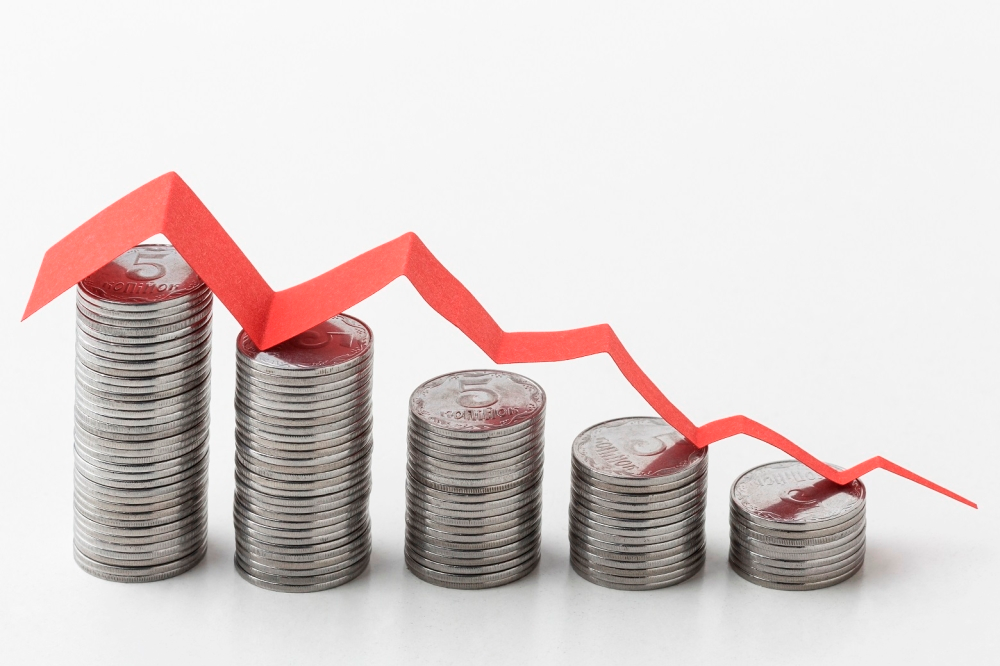
The Turkish economy has recorded a new positive indicator reflecting the success of recent monetary policies, as official data released by the Turkish Statistical Institute (TurkStat) shows that the country's annual inflation rate fell significantly to 31.07% in November. This figure is the lowest inflation level recorded in Turkey in nearly four years, indicating that the wave of price hikes that has burdened markets for an extended period is beginning to subside.
According to the data, monthly inflation also slowed, registering a slight increase of just 0.87% in November, a significant decrease compared to previous months. Commenting on these figures, Turkish Treasury and Finance Minister Mehmet Şimşek affirmed that this decline confirms the effectiveness of the government's economic program, noting that monthly inflation has reached its lowest level in two and a half years.
Details of economic indicators
The Turkish Statistical Institute (TurkStat) released details of price movements, reporting that the Consumer Price Index (CPI) rose by 0.87% month-on-month, while the Producer Price Index (PPI) increased by 0.84%. On an annual basis, producer price inflation reached 27.23%, an indicator that typically precedes consumer price movements, suggesting a potential slowdown in future price increases.
Minister Şimşek highlighted a crucial point regarding food prices, which had placed significant pressure on Turkish household budgets between August and October. He emphasized that these prices returned to normal in November, contributing to curbing the overall inflation rate. This substantial improvement represents a decrease of over 44 percentage points compared to the peak of inflation experienced in May.
The context of economic transformation in Türkiye
These figures cannot be read in isolation from the radical shift in Turkish economic policy that began after the presidential elections in May 2023. The Turkish government, led by the new economic team, adopted strict (orthodox) monetary policies that included raising interest rates significantly from 8.5% to 50%, with the aim of controlling domestic demand and curbing prices.
This shift followed a period of unconventional policies focused on interest rate cuts, which at the time led to record-high inflation and a sharp decline in the value of the Turkish lira. Current data suggests that the return to conventional economic principles is beginning to bear fruit in calming markets and restoring fiscal balance.
Expected local and international impacts
This decline in inflation rates has important implications on several levels:
- Locally: Slowing inflation means gradually easing the pressure on citizens' purchasing power and increasing the financial predictability of local businesses and investors.
- Internationally: This fiscal discipline enhances the confidence of foreign investors in the Turkish market and may contribute to improving the country's credit rating, thus facilitating the flow of foreign direct investment and hot money seeking real positive returns.
The Turkish government aims to continue this downward trajectory of inflation, with ambitions to reach single digits (less than 10%) in the coming years, a goal that requires the continuation of current fiscal and monetary discipline.