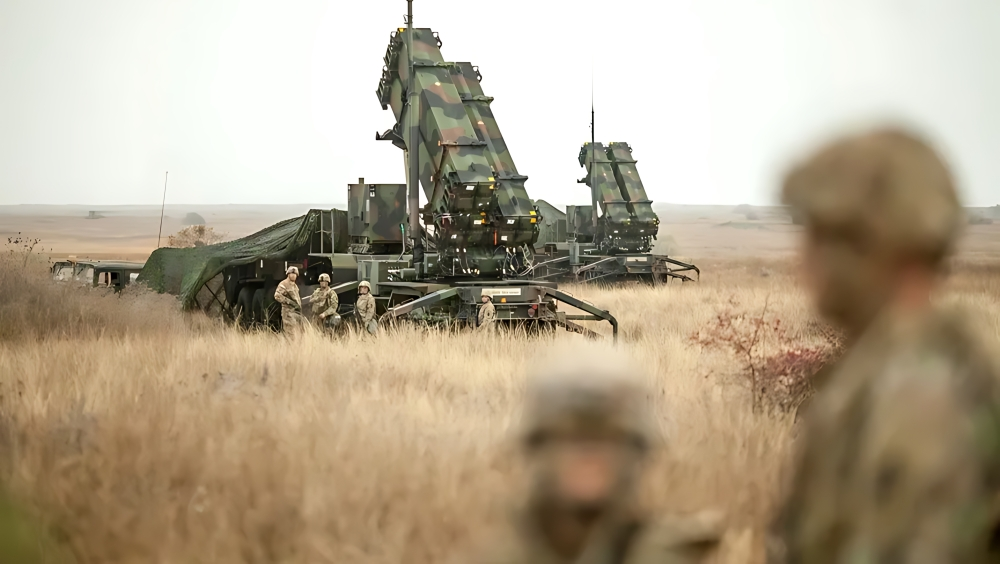
In a strategic move reflecting escalating tensions in the Middle East, the Turkish government officially announced on Tuesday the deployment of the Patriot missile defense system in the country's central region. This decisive decision came a day after NATO announced it had successfully intercepted a second ballistic missile launched from Iranian territory that had penetrated Turkish airspace. These developments underscore the fragility of the regional security situation and the urgent need to bolster air defenses to safeguard Turkish national security amidst rapidly changing circumstances.
The history of regional tensions and the need to protect Turkish airspace
To understand the broader context of this event, one must consider the long and complex history of security tensions in the region. As a key NATO member, Turkey has long relied on allied support to bolster its air defense capabilities. In the past, anti-aircraft missile batteries have been deployed to protect Turkish territory during numerous crises, such as the Gulf War and the ongoing conflict in neighboring Syria. The Malatya region, and specifically the Kurecik Air Base, is a vital component of the European missile defense architecture. This base houses a NATO early warning radar system specifically designed to detect and track ballistic missile launches, making it a strategic target requiring maximum protection.
The strategic importance of the decision to deploy the Patriot missile defense system
The decision to deploy the Patriot missile defense system carries significant implications on several levels. Domestically, this measure aims to reassure the Turkish public and secure vital infrastructure and military bases against any potential aerial incursions. This system is distinguished by its high capability to intercept tactical ballistic missiles, cruise missiles, and advanced aircraft, and relies on sophisticated radar technology to track targets and guide interceptor missiles with pinpoint accuracy. Regionally, this move represents a clear deterrent message that Ankara will not compromise on protecting its territorial sovereignty, which may encourage regional actors to avoid any military escalation that could drag the region into a wider conflict.
The repercussions of the event on the international stage and NATO's stance
Internationally, this development underscores Turkey's pivotal role as NATO's eastern flank. The interception of missiles within Turkish airspace is not merely a violation of a single nation's sovereignty, but a test of the entire alliance's readiness. The official statement from the Turkish Ministry of Defense clearly confirmed the deployment of the system tasked with supporting airspace protection in Malatya. This close coordination between Ankara and its allies highlights NATO's commitment to collective defense and strengthens the collective security architecture in the face of evolving ballistic threats that now pose a genuine danger to global stability.