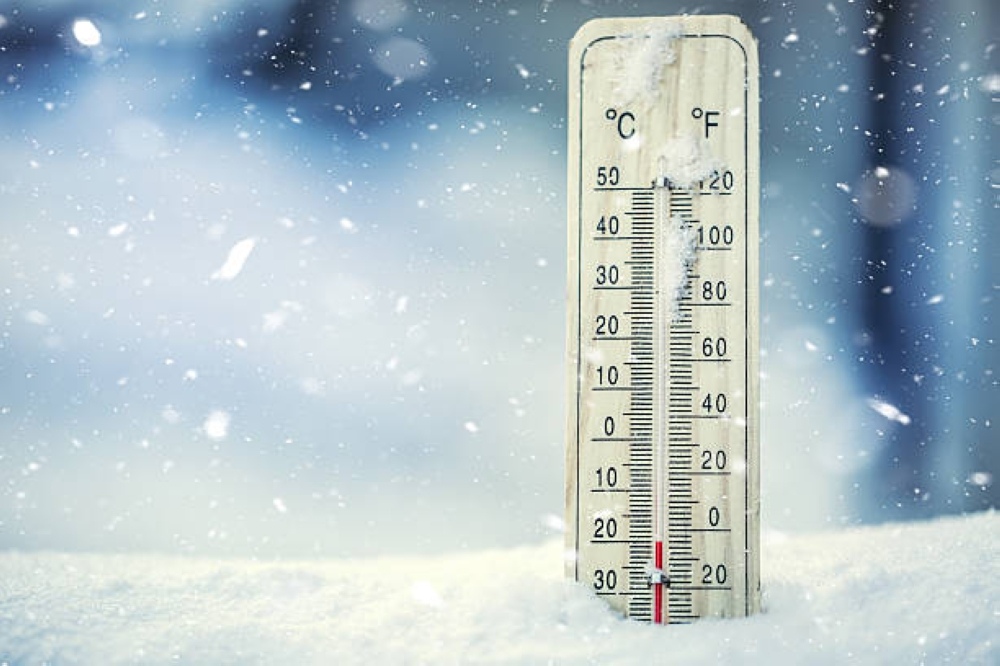
Northern regions of Saudi Arabia, specifically the governorates of Tarif and Rafha in the Northern Borders region, witnessed a sharp drop in temperatures, as the two governorates recorded the lowest temperature in the Kingdom today, reaching only one degree Celsius, according to the daily report issued by the National Center for Meteorology.
This noticeable drop in temperature coincides with a cold wave affecting the northern parts of the country, bringing back memories of the harsh winter weather typical of these regions. The National Center of Meteorology issued early warnings about this weather pattern, indicating the continued influence of cold air masses that could lead to frost formation in the early morning hours, urging citizens and residents to take precautions.
Northern borders... gateway to polar waves
The Northern Borders region, by virtue of its geographical location, is the primary gateway for cold air masses arriving from Siberia and Eastern Europe via the Levant. Historically, Tarif is known as one of the coldest cities in the Arabian Peninsula, having recorded record sub-zero temperatures in previous winters, making temperatures as low as 1 degree Celsius a common occurrence, though one that requires special preparation.
This high and open geographical location makes the area susceptible to active air currents that increase the feeling of cold, which distinguishes the climate of Rafha and Tarif from the rest of the Kingdom’s cities, which may experience more moderate weather at this time of year.
Effects of the cold wave and safety measures
As temperatures plummet to these low levels, daily life in these governorates changes, with residents resorting to intensive use of various heating methods. In this context, relevant authorities, primarily the Civil Defense, emphasize the necessity of following safety guidelines when using coal or kerosene heaters to avoid suffocation or fires, as well as ensuring the safety of electrical connections for modern heaters.
This weather also affects traffic, as the formation of frost or fog may cause a decrease in horizontal visibility and vehicles to skid, requiring drivers to exercise extreme caution while driving on the highways that connect the governorates of the region.
Future forecasts and the role of meteorology
The National Center for Meteorology continues its vital role in monitoring these weather fluctuations and issuing timely reports to ensure accurate information reaches the public and relevant government agencies. General climate forecasts indicate that these cold waves may recur in the coming weeks, a natural part of the winter season in the Kingdom. This underscores the importance of continuously monitoring weather forecasts to avoid any unforeseen weather events that could affect public safety.