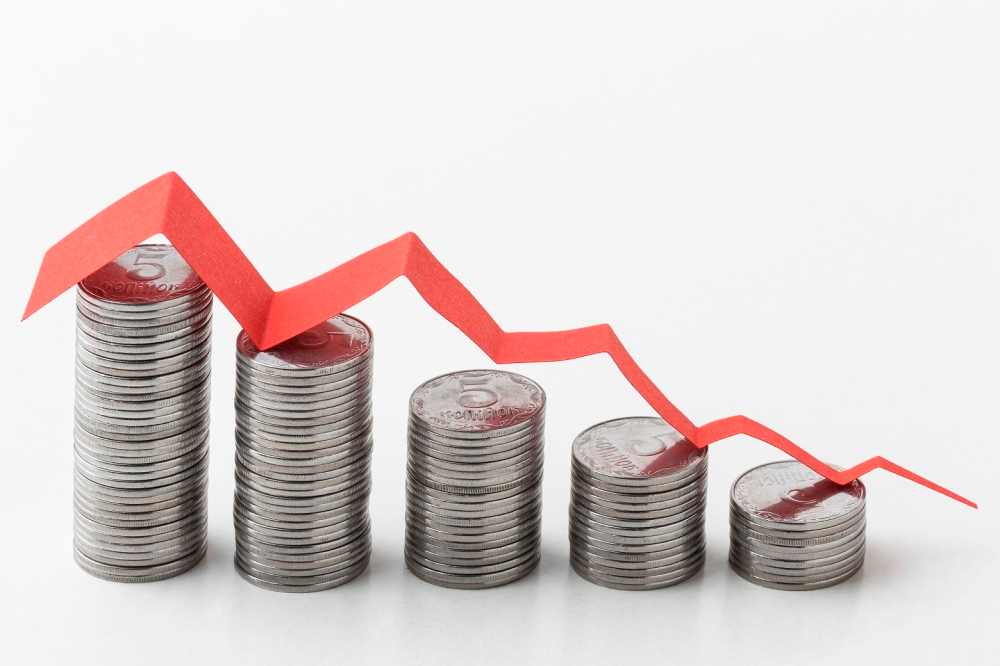
Economic indicators in Tunisia have shown a marked improvement, according to the latest official data on price levels. The country's inflation rate declined in 2025, settling at 5.3%. This significant decrease, compared to the 7% recorded in 2024, reflects the beginning of a relaxation in the inflationary pressures that have burdened the Tunisian economy and its citizens for an extended period.
Details of data from the National Institute of Statistics
The National Institute of Statistics in Tunisia attributed this positive decline to price dynamics in key sectors. Data showed that this decrease is primarily due to changes in the rate of price increases for food products, which registered 6.1%, in addition to a slowdown in the rate of price increases for services, which stabilized at 6%. These figures indicate a slowdown in the rate of cost of living inflation compared to the price surges witnessed in previous years.
Economic context and historical background
To understand the significance of this figure, one must consider the economic context Tunisia has experienced over the past decade. The Tunisian economy has suffered from structural pressures and external challenges, including the repercussions of the COVID-19 pandemic and global geopolitical tensions that led to a rise in global energy and grain prices. These factors combined in previous years drove inflation to record levels, negatively impacting the purchasing power of Tunisian citizens and eroding the value of the dinar. Therefore, the drop to 5.3% is a pivotal step towards restoring monetary stability.
Expected economic impacts locally and regionally
This decline in inflation rates carries significant economic implications on several levels:
- Improved purchasing power: Slowing inflation means easing the direct pressure on Tunisian household budgets, allowing more room for consumption and saving, which is a key driver of domestic economic growth.
- Monetary policy: This decline may give the Central Bank of Tunisia more room to maneuver regarding interest rates. As inflation falls, the need for tight monetary policies decreases, potentially opening the door to future interest rate cuts to encourage investment and financing.
- Attracting investment: Price stability is a vital indicator for both foreign and domestic investors. Lower inflation boosts confidence in the Tunisian economy and reduces the risks associated with currency fluctuations and production costs, potentially attracting new capital to support development.
In conclusion, achieving an inflation rate of 5.3% in 2025 represents a positive signal to policymakers and international financial institutions, and a necessary step in Tunisia’s economic reform path to achieve sustainable and inclusive growth.