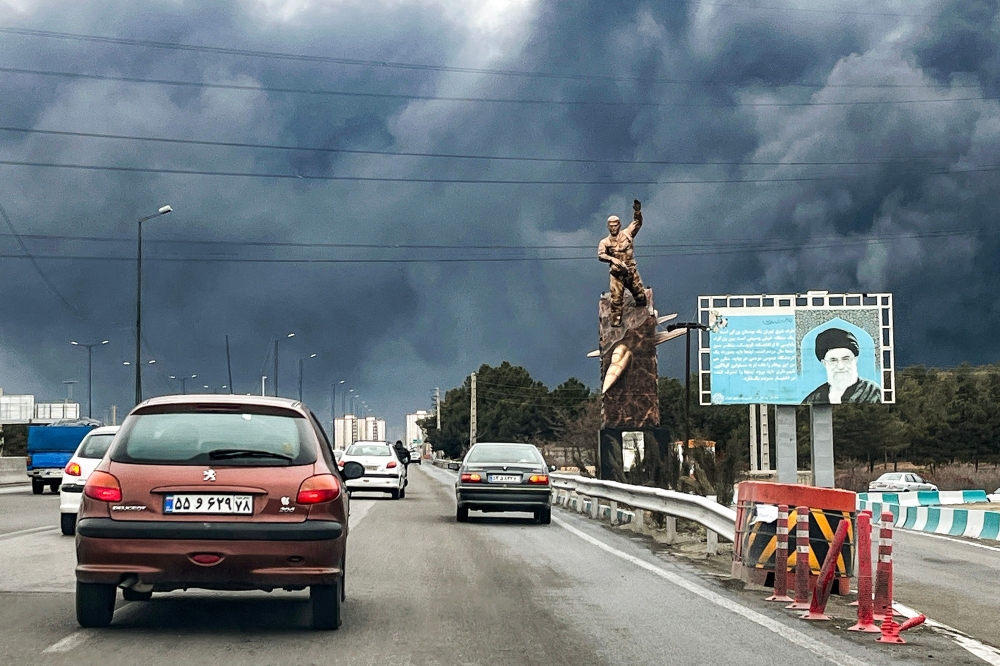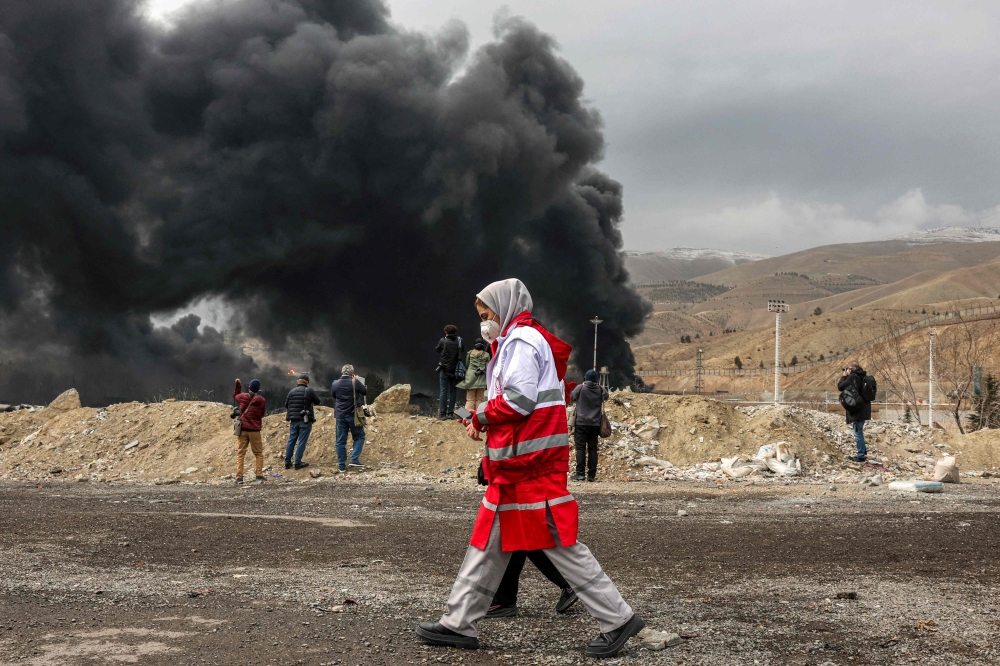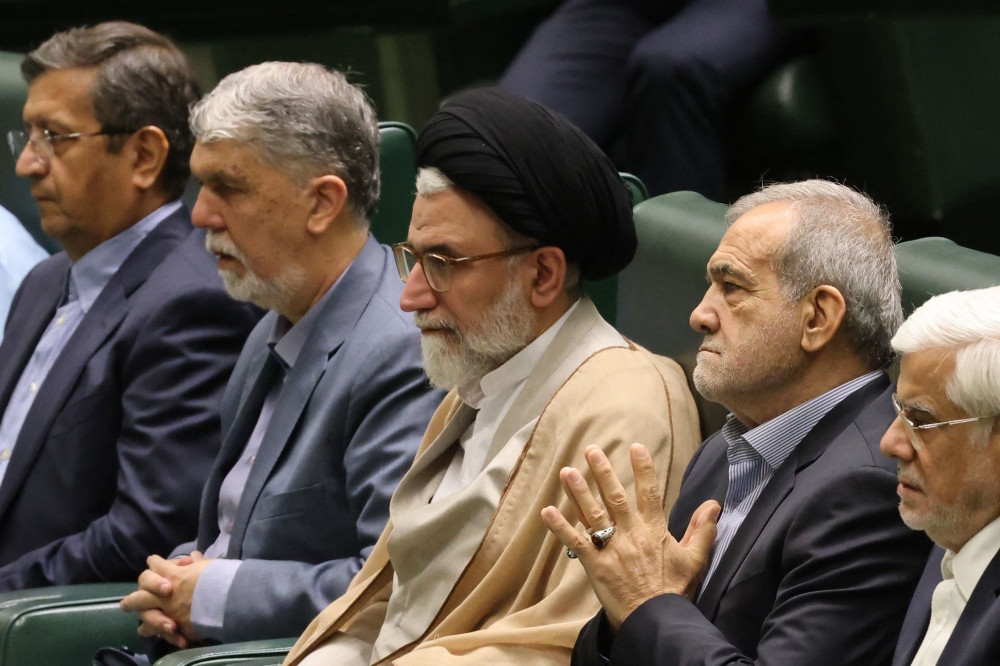
Some media outlets and platforms have recently circulated unconfirmed reports claiming that Israel has assassinated Iranian Intelligence Minister Ismail Khatibzadeh, along with other allegations concerning prominent Iranian figures. Given the rapidly evolving situation in the Middle East, it is crucial to distinguish between these reports and the objective facts on the ground. As of now, the reports of the Iranian intelligence minister's assassination remain within the realm of rumors or statements that have not been officially and definitively confirmed by neutral international bodies or the relevant governments. The dissemination of such reports reflects the prevailing anxiety and anticipation in the political landscape, necessitating a return to official and reliable sources to avoid being misled by inaccurate information.
The historical context of tensions and regional shadow war
To understand the nature of this news, one must consider the broader context and historical background of the alleged event. For decades, the region has been experiencing a state of constant tension and a shadow war between Israel and Iran. These conflicts have included tit-for-tat cyberattacks, attacks on commercial vessels, and complex intelligence operations. Historically, the region has witnessed operations targeting facilities and individuals associated with sensitive programs, with each side frequently blaming the other. This long history of covert operations creates a fertile ground for the dissemination of similar reports, whether accurate or merely speculative, aimed at psychological manipulation and shaping public opinion. This underscores the necessity of interpreting events within their wider context.
The importance of security agencies and the impact of regional rumors
The position of Minister of Intelligence in Iran is one of the most sensitive and important, overseeing agencies that play a pivotal role in protecting internal security and shaping policy. Therefore, even the mere circulation of news about targeting figures of this stature carries serious implications and potential repercussions at the local, regional, and international levels. Domestically, such rumors could trigger a widespread security alert and changes in protection protocols. Regionally, this news exacerbates polarization and tensions, potentially prompting various parties to raise their level of preparedness in anticipation of any security or military emergency.
The repercussions of the circulation of news about the assassination of the Iranian intelligence minister
At the international level, major powers are monitoring these developments very closely. Any real escalation or targeting of key figures could plunge the region into wider conflicts, something international diplomacy is striving to avoid. The spread of claims about granting broad authority to target high-ranking officials without prior political approval constitutes a media escalation that threatens fragile stability. Global markets, particularly energy markets, are directly and rapidly affected by such news given the strategic importance of the Middle East. Ultimately, verifying information remains crucial, as rumors play a destructive role in fueling conflicts, making it imperative for the public and the media to exercise caution and rely only on credible facts.