Former US President Donald Trump’s call for the formation of what he termed a “peace council” has sparked a clear division among world leaders, with reactions ranging from immediate acceptance by his ideological allies to cautious or outright rejection by traditional powers committed to the existing world order. The invitation, extended for an inaugural meeting on February 19, reveals a growing rift in international politics reflecting the tension between nationalist movements and multilateral institutions.
Background and historical context of the initiative
This initiative comes within the context of Trump’s “America First” policy during his presidency, which was characterized by questioning the usefulness and effectiveness of existing international organizations, most notably the United Nations. Trump has consistently criticized what he considers the bureaucracy and constraints these institutions impose on national sovereignty. Therefore, the proposed “Peace Council” can be seen as an attempt to create an alternative, more flexible structure that aligns with his vision of international relations based on bilateral deals and alliances built on direct interests rather than multilateral commitments.
Divided opinions: between supporters and opponents
The invitation was welcomed by leaders who share Trump's populist and nationalist leanings. Countries such as Argentina, under President Javier Pérez, and Hungary, under Viktor Orbán, announced their acceptance of the invitation, reflecting a convergence of political views and a desire to build an alternative international axis. In contrast, the European position was divided but leaned toward rejection. Influential countries like France and Italy, along with Norway, Croatia, and the Czech Republic, expressed reservations or declined to participate. Czech Prime Minister Andrej Babiš clarified that he did not intend to join and would consult with his EU partners, indicating a desire to coordinate a unified European stance that defends existing diplomatic frameworks.
Stated objectives and expected impact
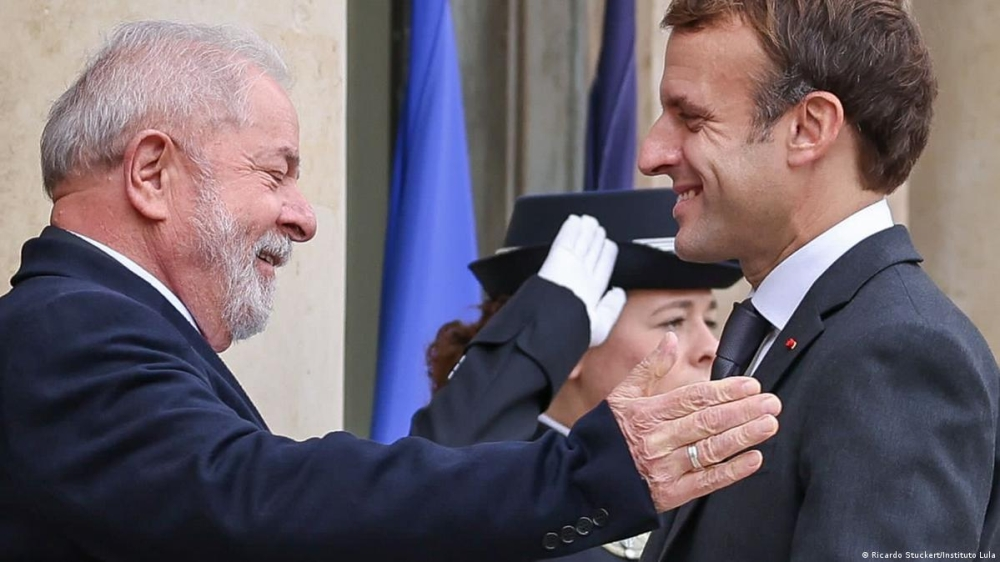
According to the proposed charter, the council's objective is not limited to a single issue, but rather aspires to "contribute to the resolution of armed conflicts worldwide," implicitly criticizing what it describes as the "failure of existing approaches and institutions." Among the most prominent plans revealed is the temporary assumption of Gaza's affairs by the "National Committee for the Administration of Gaza" under the council's leadership—a plan that bypasses the internationally established frameworks for resolving the Israeli-Palestinian conflict. This ambition has drawn criticism from leaders such as French President Emmanuel Macron and Brazilian President Luiz Inácio Lula da Silva, who have stressed the need to strengthen the role of the United Nations as the sole legitimate platform for international peace and security.
Repercussions on the international scene
Internationally, this initiative poses a direct challenge to the liberal order that prevailed after World War II. Trump's success in garnering sufficient support for this initiative could undermine the legitimacy of the United Nations and the Security Council, creating a climate of diplomatic polarization. Regionally, introducing a plan for Gaza outside the framework of a two-state solution and other international initiatives could further complicate the Middle East crisis and undermine existing peace efforts. Domestically, in the United States, Trump is using this initiative to present himself as a global peacemaker and bolster his image as a strong leader with an alternative vision for foreign policy, as part of his potential re-election campaign.