Presidential warning and a vague deadline
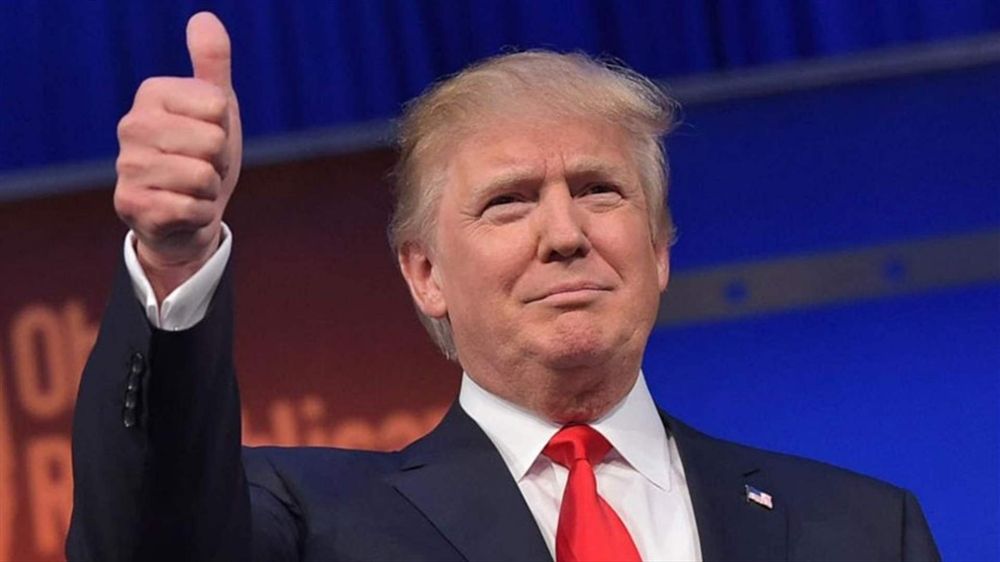
Former US President Donald Trump renewed his pressure on Iran, expressing his belief that Tehran wants to reach an agreement with Washington to avoid a potential military confrontation. Speaking to reporters from the Oval Office, Trump confirmed that he had given Iran a deadline, the details of which he did not disclose, to respond to his proposals, saying, "I can say that they want to make a deal." When asked if he had set a deadline, he replied affirmatively, adding that "only Tehran knows what that deadline is.".
These statements come in the context of his administration’s “maximum pressure” policy, in which he expressed hope for reaching an agreement, but warned at the same time that “time is running out,” hinting that other options, including military ones, are still on the table.
Background to the tension: Withdrawal from the nuclear agreement
The roots of this escalation can be traced back to May 2018, when President Trump announced the United States' unilateral withdrawal from the Joint Comprehensive Plan of Action (JCPOA), commonly known as the Iran nuclear deal, which was signed in 2015 between Iran and the P5+1 group of nations. Trump described the agreement as "disastrous" and "the worst ever," arguing that it failed to address Iran's ballistic missile program or its destabilizing regional activities. Following the withdrawal, Washington reinstated a series of harsh economic sanctions targeting vital sectors of the Iranian economy, most notably oil and banking, with the aim of forcing Tehran back to the negotiating table to reach a new, more comprehensive agreement.
Regional and international importance and impacts
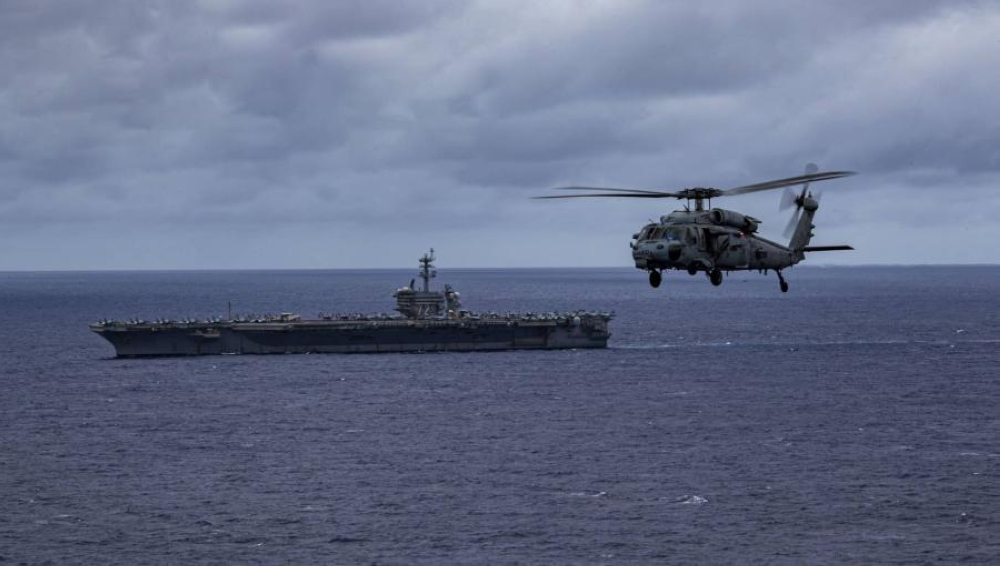
This American stance had far-reaching repercussions both regionally and internationally. Regionally, the escalation heightened tensions in the Middle East, particularly in the Arabian Gulf and the strategic Strait of Hormuz, through which a significant portion of the world's oil supply passes. Washington reinforced its military presence in the region by deploying a naval strike group led by the aircraft carrier USS Abraham Lincoln and strategic bombers, as a direct deterrent message to Iran and its allies. These moves raised concerns about a potential military confrontation sparked by accident or miscalculation, which could draw in other regional powers.
Internationally, the US withdrawal strained relations between Washington and its European allies (Britain, France, and Germany), who were parties to the agreement and had worked hard to salvage it. While regional powers like Saudi Arabia and Israel supported Trump's hardline stance, other international actors, such as Russia and China, opposed the unilateral US approach, creating international polarization over how to handle the Iranian nuclear issue.