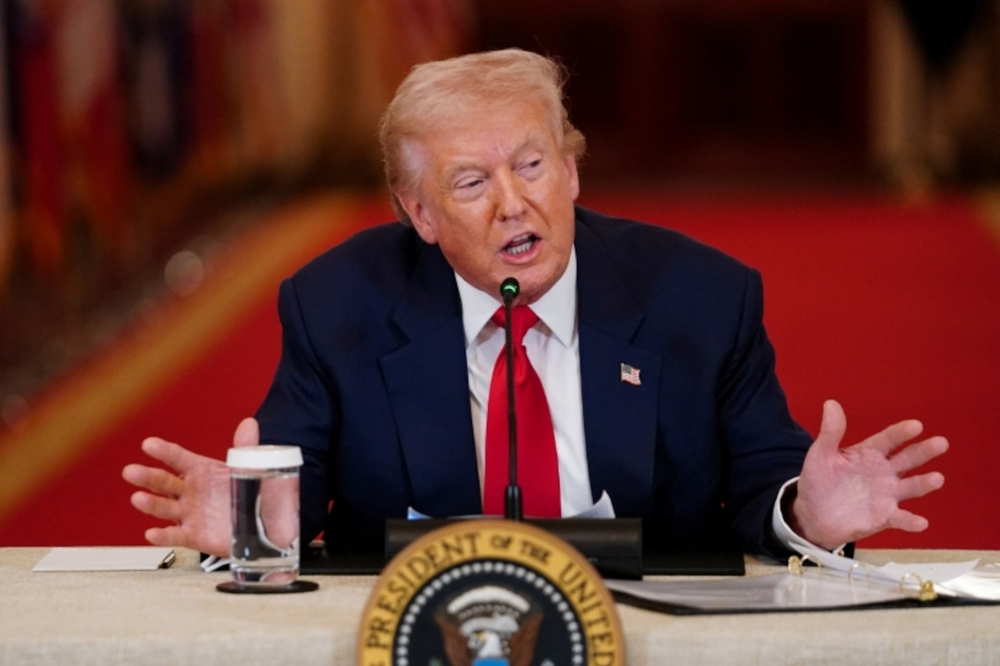
US President Donald Trump threatened on Thursday to launch a "very powerful" military strike against Iran if authorities there kill protesters, in a new escalation of rhetoric between Washington and Tehran, amid international anticipation of the outcome of the internal situation in Iran.
Trump's remarks came during a press interview, where he asserted that he had delivered a clear message to the Iranian side warning against the excessive use of force against protesters. The US president stated, "I told them that if they start killing people, which they tend to do during riots—and they have a lot of riots—if they do that, we will hit them very hard.".
The context of escalating tensions between Washington and Tehran
These warnings come at a time of unprecedented tension in US-Iranian relations, particularly following the US withdrawal from the nuclear agreement (the Joint Comprehensive Plan of Action) and the reimposition of crippling economic sanctions as part of its "maximum pressure" campaign. These sanctions have directly impacted the Iranian economy, leading to a devaluation of the local currency and soaring inflation rates—factors that have been a major driver of the waves of popular protests in Iranian cities.
Record of dealing with protests
The US president's remarks about "what they tend to do" allude to the historical record of security forces' handling of protests in Iran. In previous years, such as during the 2009 protests and the November 2019 fuel protests, the country witnessed large-scale security crackdowns, with international human rights organizations documenting casualties and widespread arrests among demonstrators. Washington considers protecting the right to peaceful protest a core component of its foreign policy toward Tehran and uses human rights as an additional tool of pressure on the Iranian regime.
Regional and international repercussions
This threat of a "strong response" carries serious military and political implications, placing the region at risk of further escalation. Observers believe that linking military intervention or targeted strikes to Iran's internal human rights record represents a significant shift in the rhetoric between the two countries. This escalation puts the international community, particularly European allies who typically seek to de-escalate tensions, in a difficult position. It also sends a message of reassurance to protesters inside Iran that the regime's actions are being monitored internationally.
All eyes remain on the Iranian reaction, and whether these warnings will lead to a change in strategy for dealing with internal protests, or whether they will increase the challenge between Tehran and Washington in light of a volatile regional situation.