تصعيد في اللهجة الأمريكية تجاه طهران
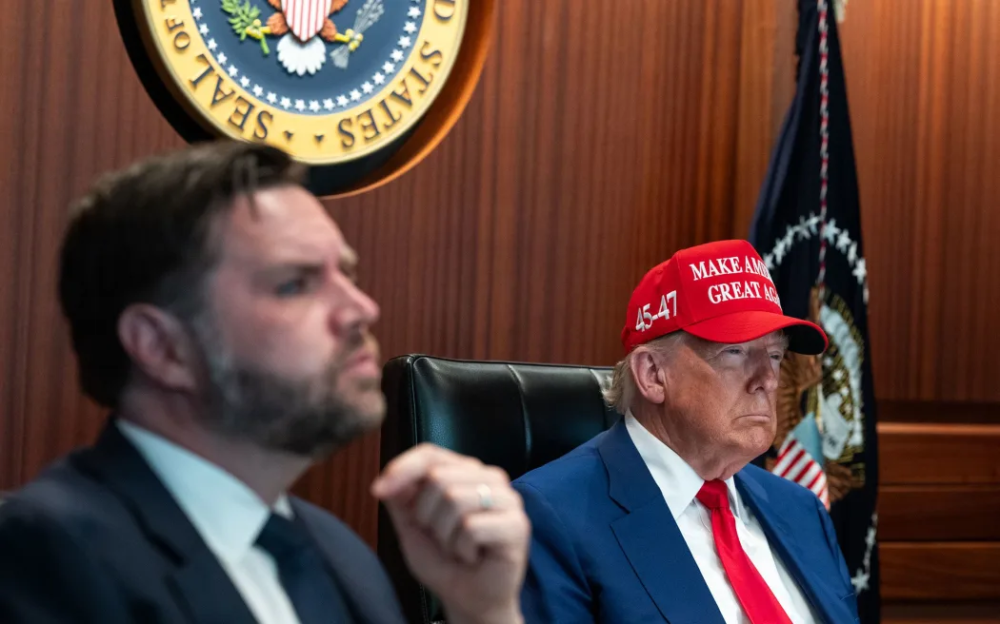
جدد الرئيس الأمريكي السابق دونالد ترامب تحذيراته الشديدة اللهجة لإيران، داعياً إياها إلى العودة السريعة لطاولة المفاوضات للتوصل إلى اتفاق جديد بشأن برنامجها النووي. وفي منشور عبر منصته “تروث سوشال”، أكد ترامب أن الوقت ينفد أمام طهران، مهدداً بأن البديل عن الاتفاق سيكون هجوماً أمريكياً “أسوأ بكثير” من أي مواجهة سابقة. وقال ترامب: “نأمل أن توافق إيران سريعا على الجلوس إلى طاولة المفاوضات والتوصل إلى اتفاق عادل ومنصف، لا أسلحة نووية”، مشدداً على أن الخيار العسكري مطروح بقوة.
خلفية الصراع: من الاتفاق النووي إلى سياسة الضغط الأقصى
تأتي هذه التصريحات في سياق توتر طويل الأمد بين واشنطن وطهران، والذي بلغ ذروته خلال فترة رئاسة ترامب. ففي عام 2015، كانت الولايات المتحدة جزءاً من الاتفاق النووي التاريخي (خطة العمل الشاملة المشتركة – JCPOA) مع إيران والقوى العالمية الأخرى، والذي هدف إلى تقييد قدرات إيران النووية مقابل رفع العقوبات الاقتصادية عنها. لكن في عام 2018، أعلن ترامب انسحاب الولايات المتحدة من الاتفاق بشكل أحادي، واصفاً إياه بـ”أسوأ اتفاق على الإطلاق”، وأعاد فرض عقوبات اقتصادية صارمة ضمن استراتيجية عُرفت بـ”الضغط الأقصى”. هدفت هذه السياسة إلى إجبار إيران على التفاوض على صفقة جديدة أكثر شمولاً، لا تقتصر على البرنامج النووي فحسب، بل تشمل أيضاً برنامجها للصواريخ الباليستية ونفوذها الإقليمي.
تداعيات إقليمية ودولية للتهديدات الأمريكية
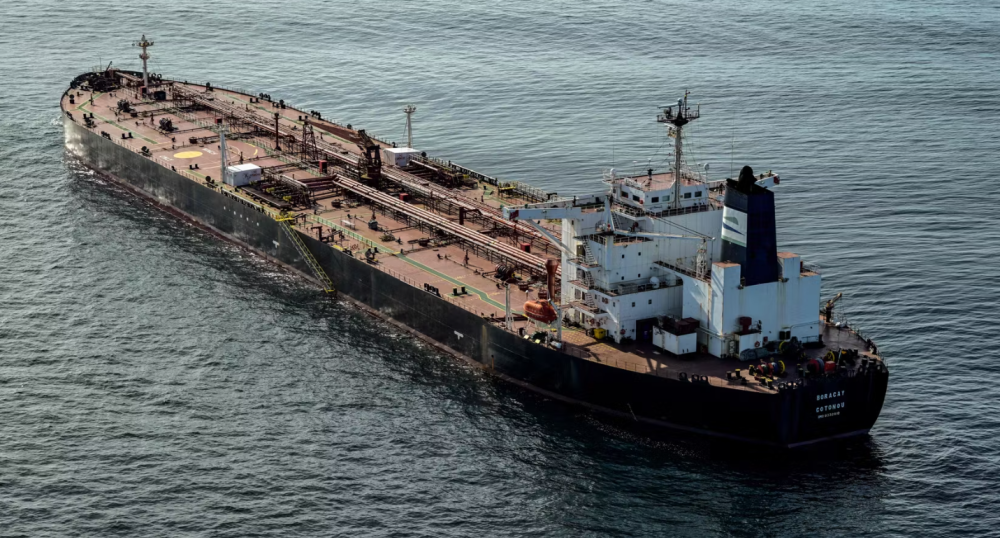
لم تكن تهديدات ترامب مجرد حرب كلامية، بل ترافقت مع تعزيزات عسكرية أمريكية ملحوظة في منطقة الخليج العربي. وأشار ترامب في منشوره إلى وجود “أسطول ضخم” جاهز للتحرك، يفوق بحجمه “ذلك الذي أُرسل إلى فنزويلا”. هذا الحشد العسكري يثير قلقاً بالغاً على الصعيدين الإقليمي والدولي، حيث يُنظر إليه على أنه قد يشعل فتيل حرب واسعة النطاق في منطقة استراتيجية وحيوية لإمدادات الطاقة العالمية. أي مواجهة عسكرية مباشرة بين الولايات المتحدة وإيران لن تقتصر عليهما، بل ستكون لها تداعيات كارثية على دول الجوار، مثل المملكة العربية السعودية والإمارات العربية المتحدة، وقد تهدد حرية الملاحة في مضيق هرمز الذي يمر عبره جزء كبير من نفط العالم.
أهمية التحذير وتأثيره المحتمل
يمثل تحذير ترامب الأخير تصعيداً جديداً يضع الكرة في ملعب القيادة الإيرانية. فمن جهة، تعاني إيران من أزمة اقتصادية خانقة بسبب العقوبات، مما يضع ضغوطاً هائلة على النظام. ومن جهة أخرى، ترفض طهران الخضوع للضغوط وتصر على حقوقها النووية. على الصعيد الدولي، تسببت سياسة ترامب في شرخ مع الحلفاء الأوروبيين (بريطانيا، فرنسا، وألمانيا) الذين حاولوا جاهدين الحفاظ على الاتفاق النووي. ومع استمرار إيران في زيادة مستويات تخصيب اليورانيوم رداً على الانسحاب الأمريكي، يزداد القلق من اقترابها من امتلاك القدرة على صنع سلاح نووي، وهو الخط الأحمر الذي لن تسمح به الولايات المتحدة وإسرائيل. يبقى العالم في حالة ترقب لمعرفة ما إذا كانت الدبلوماسية ستنجح في نزع فتيل الأزمة، أم أن المنطقة تتجه نحو مواجهة عسكرية حتمية.