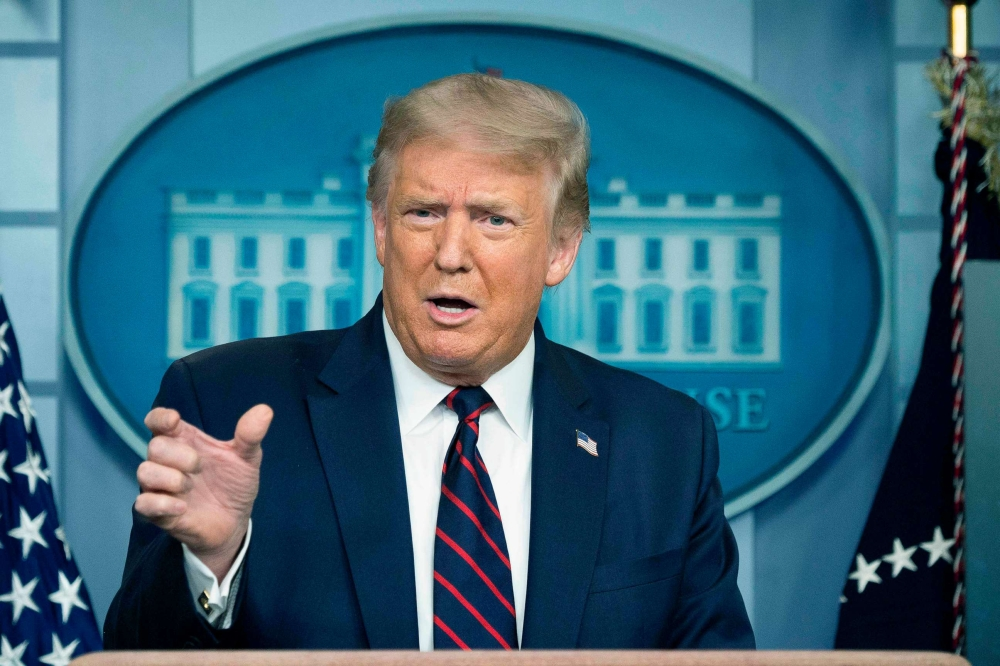
In a new escalation of US rhetoric toward Tehran, US President Donald Trump asserted that the Iranian regime is facing an unprecedented and "big problem" as popular protests sweep the country. Trump's remarks reflect Washington's close monitoring of the demonstrations, which he believes now pose a genuine threat to the Iranian authorities' control over some cities, noting that this scenario was unforeseen just a few weeks ago.
Strong warning
Speaking to reporters, Trump issued a direct warning to the Iranian leadership regarding their security response to the protesters. When asked about his message to Tehran, he stated unequivocally, "You better not start shooting, because we will start shooting too." The US president clarified the nature of the potential intervention, denying any intention to send ground troops, while simultaneously emphasizing that the response would be to "hit them very hard where it hurts," alluding to possible airstrikes or missile attacks targeting vital infrastructure of the regime.
Context of US-Iranian tensions
These statements come against the backdrop of a long history of tension between Washington and Tehran, particularly during the Trump administration, which was marked by the US withdrawal from the nuclear agreement and the imposition of a "maximum pressure" policy. This policy relied primarily on crippling economic sanctions that led to the collapse of the Iranian currency and soaring inflation, fueling frequent popular protests against the deteriorating living conditions and political situation.
Dimensions and impact of the protests
Observers note that protests in Iran often transcend economic demands, escalating to political slogans calling for fundamental changes to the system's structure. This wave of protests is particularly significant due to its geographical spread and its ability to persist despite the security crackdown. Analysts point out that the United States' open support for the protesters places Tehran under a dual pressure: the pressure of a disgruntled domestic public and the external international pressure of military threats and sanctions.
Regional and international repercussions
The threat of US military intervention is raising tensions in the Middle East, where neighboring countries and the international community fear a slide into open conflict that could disrupt energy supplies and destabilize the region. All eyes remain on the Iranian regime's response: whether it will opt for de-escalation or continue with security measures that, according to Trump's statements, could provoke a firm US response.