Presidential warning before the start of talks
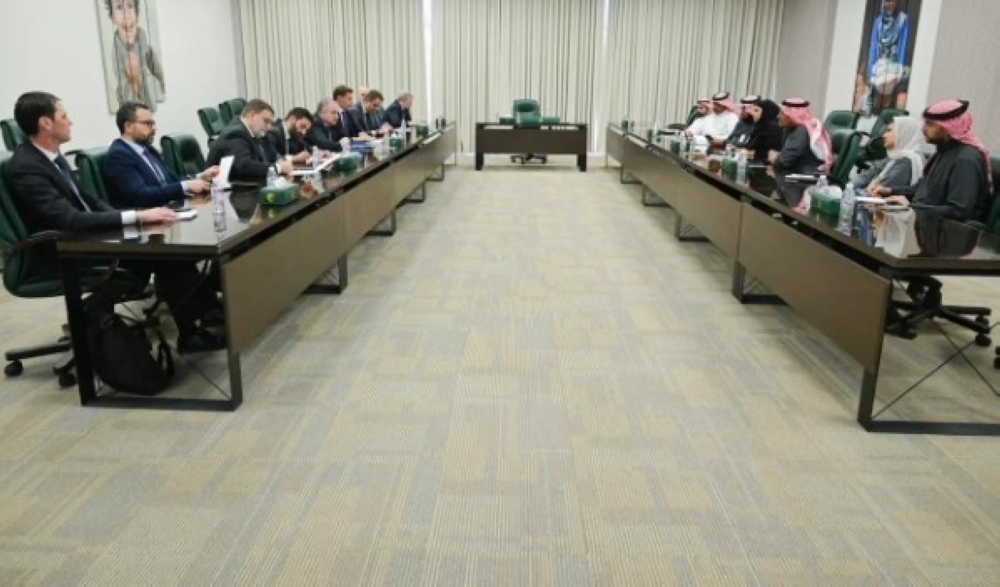
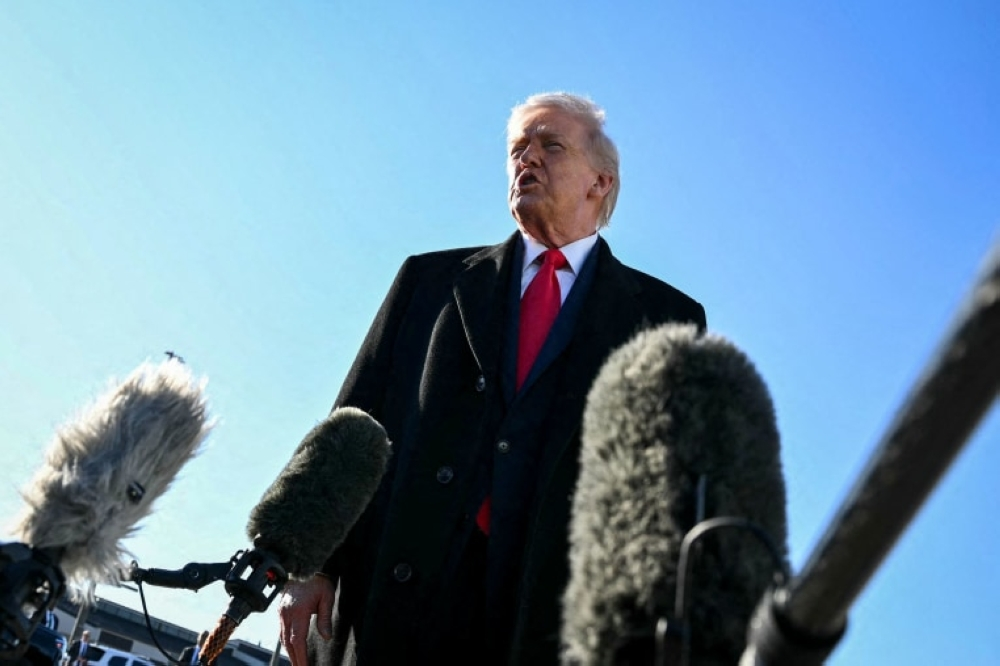
In a notable escalation ahead of a new round of indirect talks in Geneva, former US President Donald Trump issued a strong warning to Iran of “serious consequences” if a new agreement on its nuclear program is not reached. Speaking to reporters aboard Air Force One, Trump asserted that the Iranian administration wants to reach an agreement to avoid these consequences. “They want to make a deal, and I don’t think they want to face the consequences of not making a deal,” Trump said. These remarks come at a sensitive time, as negotiators from both sides prepare for a crucial round of talks mediated by Oman, amidst heightened military and political tensions in the Gulf region.
Background to the conflict: From the nuclear agreement to the "maximum pressure" policy
The roots of the current tension lie in President Trump's decision in May 2018 to unilaterally withdraw from the Joint Comprehensive Plan of Action (JCPOA), commonly known as the Iran nuclear deal, which was signed in 2015 between Iran and the P5+1 group of nations. The agreement aimed to restrict Iran's nuclear activities in exchange for lifting international economic sanctions. However, Trump deemed it "the worst deal ever" and began implementing a "maximum pressure" campaign by reimposing harsh economic sanctions to force Tehran back to the negotiating table for a broader agreement encompassing its ballistic missile program and regional influence.
The importance of negotiations and their regional and international impact
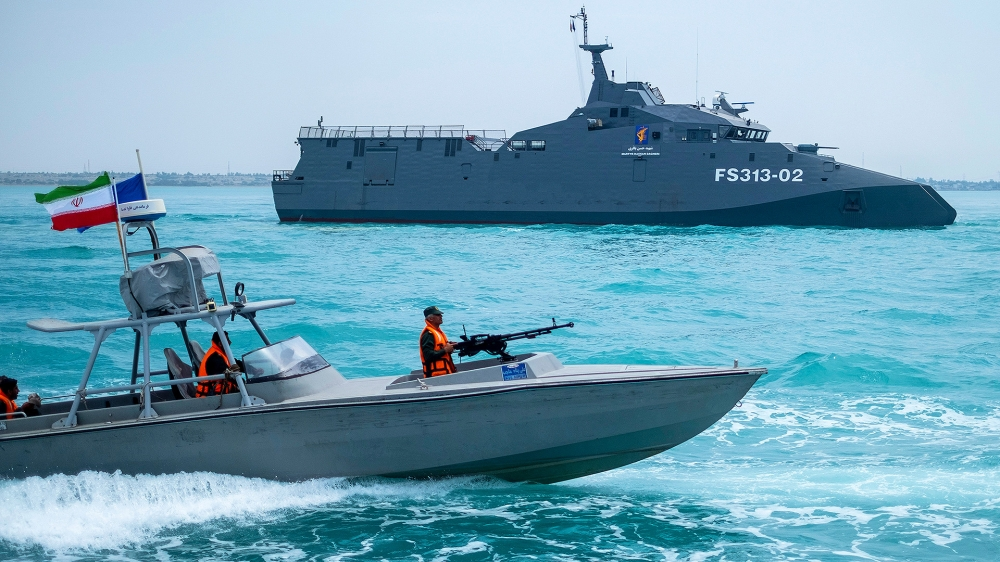
This round of negotiations is of exceptional importance, as the world closely watches its outcome. Regionally, the success of the talks could lead to de-escalation in the Gulf region, which has witnessed frequent security incidents, including military maneuvers by the Iranian Revolutionary Guard in the strategic Strait of Hormuz, coinciding with Washington's increased military presence in the area. Internationally, the failure of the diplomatic track could open the door to more dangerous options and further complicate the situation for the European allies (Britain, France, and Germany) who remain parties to the original agreement and are trying to salvage it. Meanwhile, Iran believes the American position has become "more realistic," which may represent a glimmer of hope for progress, despite Washington's hardline rhetoric.