US President Donald Trump issued a stern warning to US allies, particularly in NATO, that they could face a very bad future if they do not provide the necessary assistance in opening and securing the Strait of Hormuz for international shipping.
Economic repercussions and the necessity of opening the Strait of Hormuz
In an exclusive interview with the Financial Times, Trump asserted that it is perfectly natural for the actual beneficiaries of this vital waterway to contribute to ensuring that no unfortunate incidents occur there. He pointed out that major powers such as China and European countries are heavily, if not entirely, dependent on Gulf oil, unlike the United States, which has achieved a high degree of energy independence. This disparity makes the issue of opening the Strait of Hormuz a shared international responsibility, not solely an American burden.
Historically, the Strait of Hormuz is one of the world's most strategically important waterways, through which roughly one-fifth of the world's oil production passes. Any disruption to shipping there immediately impacts global energy markets, leading to economic crises affecting both industrialized and developing nations, which explains the American pressure to secure this vital artery.
Explicit warnings to NATO and postponement of the Beijing summit
The US president stressed that ignoring the American request or responding negatively to it would have dire consequences for the future of NATO. The warning was not limited to Western allies but extended to China as well. Trump hinted at the possibility of postponing the upcoming summit in Beijing with his Chinese counterpart, Xi Jinping, scheduled for March 31 to April 2, if Beijing did not provide the necessary support.
Trump further explained his position, saying, “I think China should also help, because it imports about 90% of its oil through this strait.” He continued, “We want to know their position before the summit,” indicating that the summit might be postponed, without providing further details about alternative dates.
Strategic importance and impact of Iranian threats
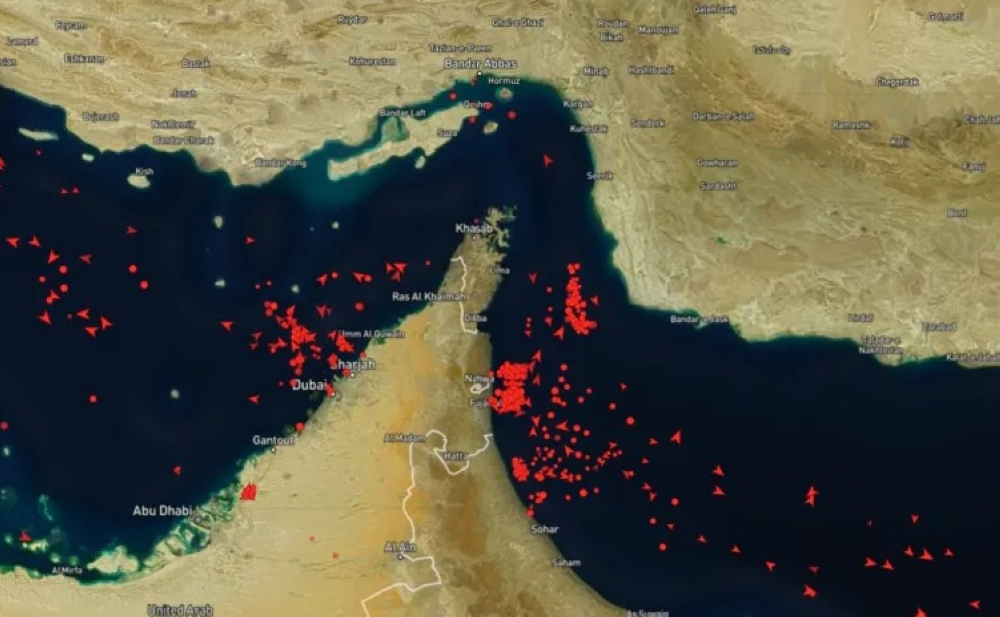
These statements come at a time of unprecedented tensions in the Strait of Hormuz, which has become almost completely closed due to ongoing Iranian strikes and threats. This tense situation has led to a sharp rise in energy prices, particularly oil, reaching record levels not seen in markets for many years.
Regionally and internationally, this escalation poses a direct threat to global peace and security. Tehran has long used the threat of closing the Strait of Hormuz as a tool of political and military pressure in the face of international sanctions, reminiscent of past crises such as the "Tanker War" of the 1980s. The continuation of these threats not only harms the economies of importing countries but also threatens the stability of the entire Middle East region and increases the likelihood of direct military confrontation.
Call to form an international maritime alliance
In closing, Trump issued a direct and explicit call to several countries to send warships and participate in a maritime coalition aimed at protecting global oil supplies passing through the strait. This move reflects Washington's desire to redistribute global security burdens and underscores that global economic stability requires concerted international efforts to deter any threats that disrupt freedom of navigation in international waterways.