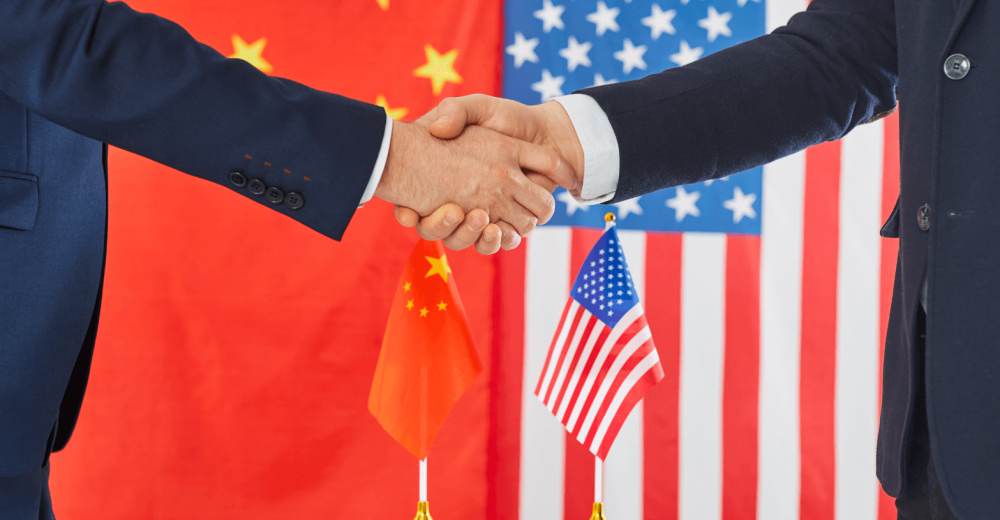
China's Foreign Ministry announced on Monday that talks and direct communication with Washington are ongoing regarding arrangements for Trump's visit to China , scheduled for the end of this month. This anticipated visit by US President Donald Trump to Beijing comes at a time of unprecedented international tensions, particularly following Washington's hints at the possibility of postponing the bilateral summit with Chinese President Xi Jinping. Trump has stipulated that Beijing must provide tangible assistance in efforts to reopen the strategic Strait of Hormuz, which Iran closed in response to recent military escalations, as a condition for holding the summit.
The historical context of relations and the impact of Trump's visit to China
Trump's visit to China is of paramount importance given the complex history of relations between the two countries. For years, US-China relations have oscillated between close economic cooperation and fierce geopolitical competition, particularly concerning trade and tariffs. The diplomacy of heads of state plays an indispensable strategic and guiding role in managing these complex relations, a point emphasized by Chinese Foreign Ministry spokesman Lin Jian during a press conference, where he noted that communication between the two sides continues to ensure the stability of the international landscape. However, Beijing has avoided directly commenting on recent US pressure urging China and its NATO allies to intervene directly to help reopen the waterways.
The Strait of Hormuz crisis and its repercussions on the global economy
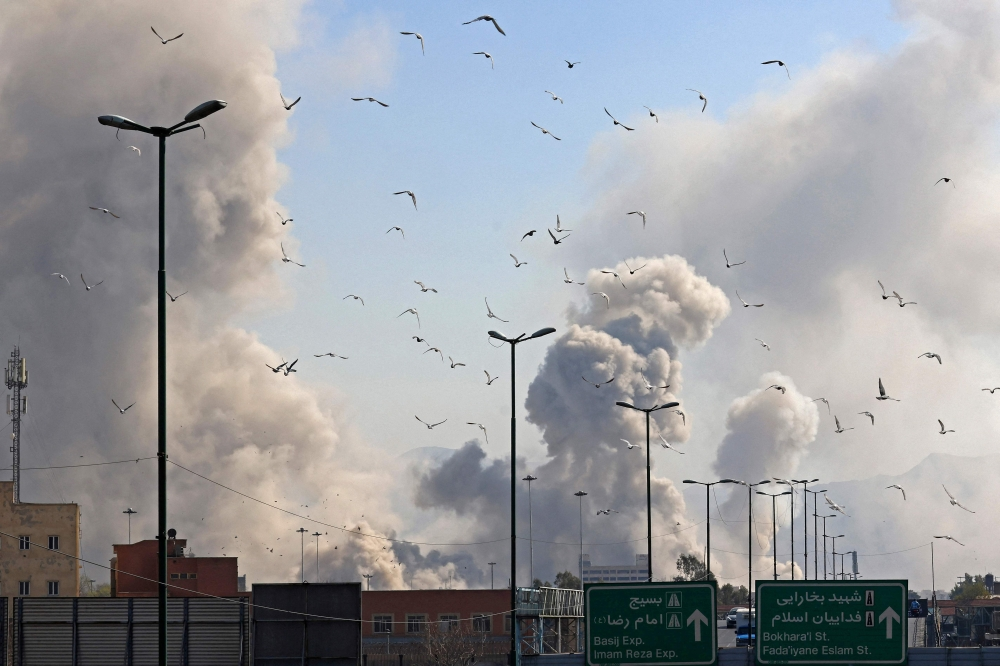
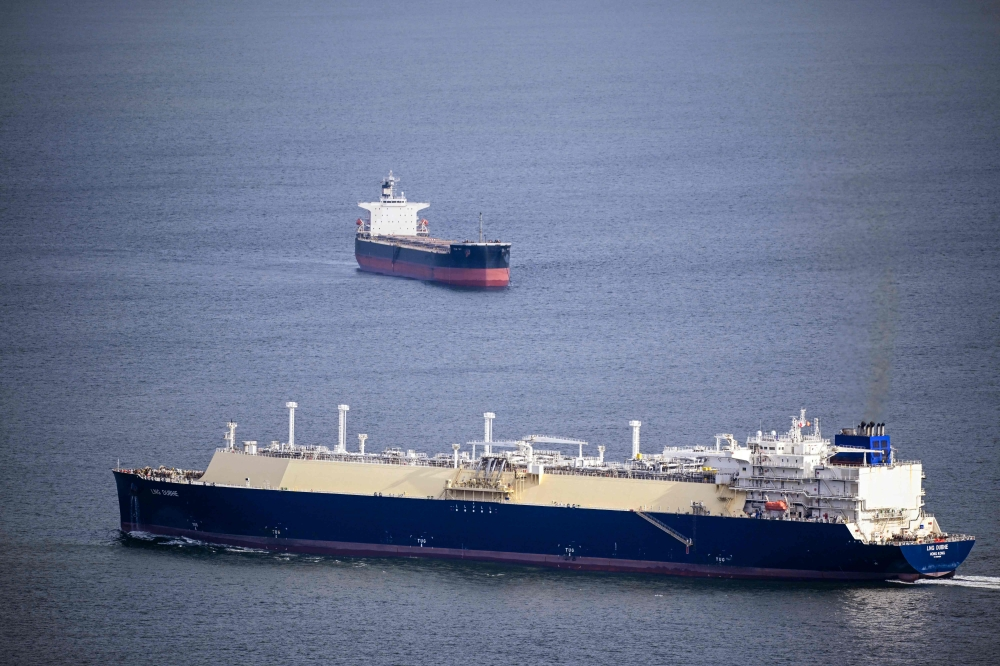
Regionally and internationally, the de facto closure of the Strait of Hormuz has cast a dark shadow over global energy markets. Tehran closed this vital waterway, through which a significant portion of the world's oil and gas supplies pass, as a direct response to the US-Israeli war against Iran. This tense situation, as described by Beijing, has severely disrupted international trade routes for goods and energy. Consequently, global oil prices have skyrocketed, rising by 40 to 50 percent since the escalation began, driven by the waterway closure and Iranian attacks on energy and shipping targets in neighboring Gulf states, threatening a new wave of global inflation.
The strategic importance of the upcoming summit and Beijing's position
China is one of the world's largest importers of oil resources and one of the major Asian economies that relies almost entirely on the stability of the Middle East and the Strait of Hormuz to ensure the flow of energy to its factories. According to data from the analytics firm Kpler, the Middle East accounted for approximately 57 percent of China's total direct seaborne crude oil imports in 2025. This significant dependence makes the region's stability a paramount national interest for Beijing and explains the importance of the current talks. Although Washington announced that the presidential visit would take place from March 31 to April 2, Beijing, as is its custom in managing sensitive diplomatic matters, has not yet officially confirmed these dates, preferring to wait until a shared vision emerges and political gains are achieved that serve its strategic interests before the summit.