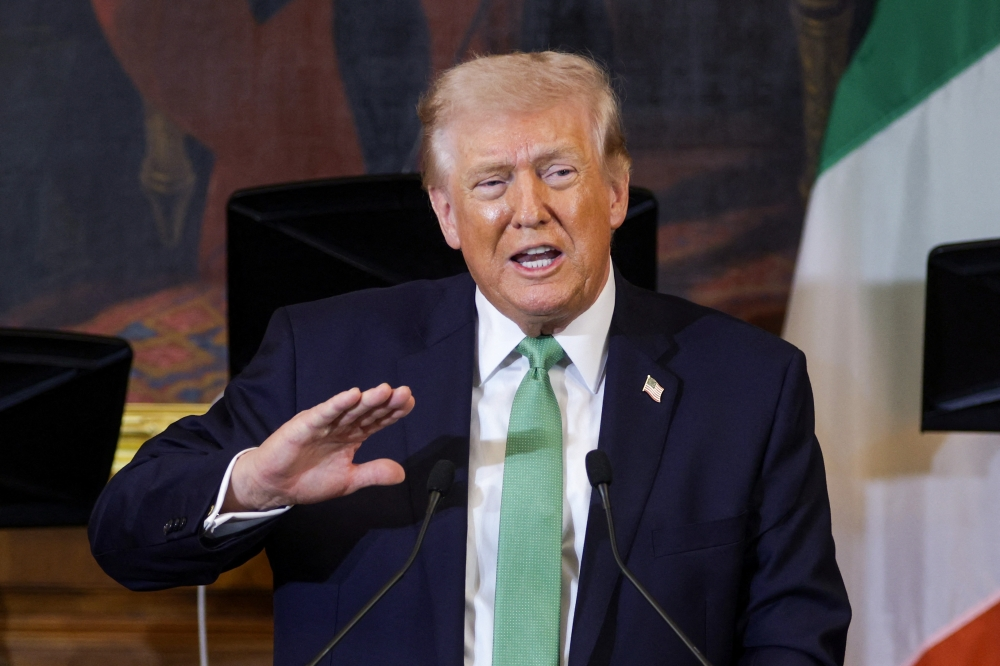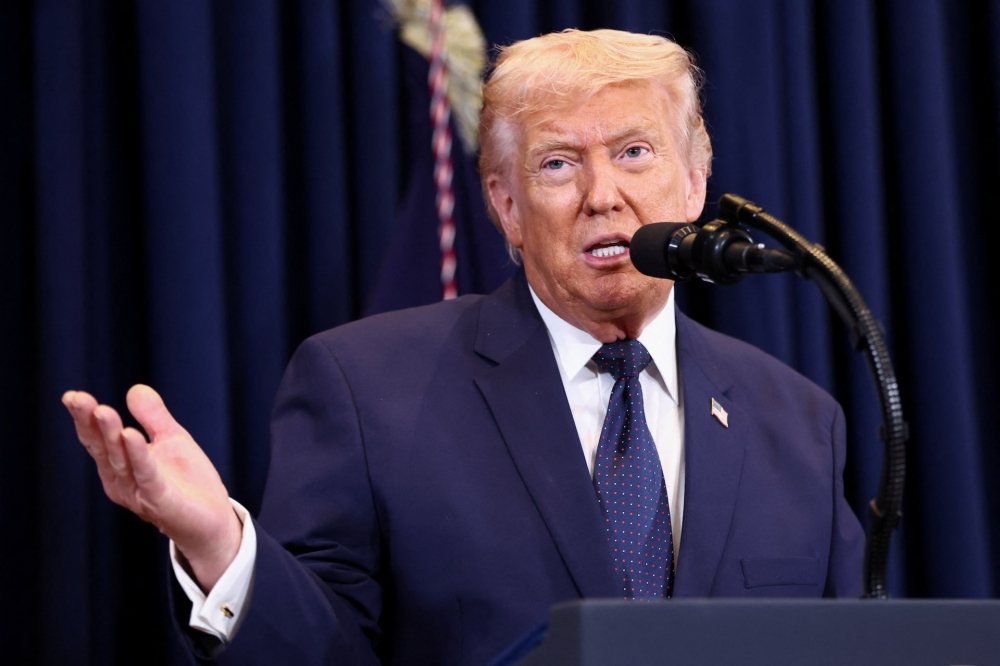
US President Donald Trump announced his upcoming diplomatic plans on Tuesday, indicating that his visit to China would take place in about a month. This comes after the visit was previously postponed due to regional tensions and escalating events related to the potential conflict with Iran. In a notable statement to reporters, Trump emphasized the strength of current ties, saying, “We have a very good working relationship with China, so we will be going in five or six weeks.” This statement raises numerous questions about the future of relations between the world’s two largest economies.
Historical context prior to Trump's visit to China
To understand the implications of this move, one must consider the broader context and historical background of US-China relations over the past years. Relations between Washington and Beijing have been characterized by periods of tension and rapprochement, particularly with the outbreak of the trade war, which saw billions of dollars in reciprocal tariffs imposed. Nevertheless, the US administration has consistently sought common ground, culminating previously in the signing of the Phase One trade agreement. This complex dynamic makes any direct meeting between the two leaders an exceptional event, fraught with thorny issues ranging from fair trade and intellectual property rights to cybersecurity.
The strategic importance and expected impacts of the visit
The significance of this event extends beyond the diplomatic sphere, encompassing far-reaching implications at the local, regional, and international levels. Domestically, the visit presents an opportunity to bolster economic gains, particularly for farmers and industrial sectors heavily reliant on exports to the vast Chinese market. Furthermore, stable relations with Beijing positively impact investor confidence in US financial markets, thereby strengthening the domestic economy.
Regionally and internationally, the world is watching closely the outcome of this highly anticipated summit. Agreement between the United States and China would contribute to the stability of global supply chains, which have suffered repeated disruptions. Furthermore, China plays a pivotal role in numerous geopolitical issues, including tensions in the Middle East and the Iranian nuclear program, which was the initial reason for postponing the visit. Coordination between the two superpowers could help de-escalate conflicts and prevent military escalation that could harm the global economy and international trade.
The future of relations in light of current challenges
In conclusion, the US president's remarks about a "very good working relationship" reflect a clear desire to prioritize dialogue and shared interests over escalation. Despite ongoing challenges and strategic competition between the two countries, direct diplomacy remains the most effective tool for managing disagreements. All eyes will remain on Beijing in the coming weeks to see what agreements or understandings emerge from these talks, which could shape the contours of the new world order and determine the course of international economic growth in the next phase.