US President Donald Trump left the possibility of military action against Venezuela on the table in a newspaper interview published Friday, coinciding with Washington's escalation of its maximum pressure campaign against the Caracas government, which included a crippling oil embargo. These remarks further heighten tensions in the already strained relations between the two countries, amid international anticipation of the consequences of this escalation.
The military option and economic blockade
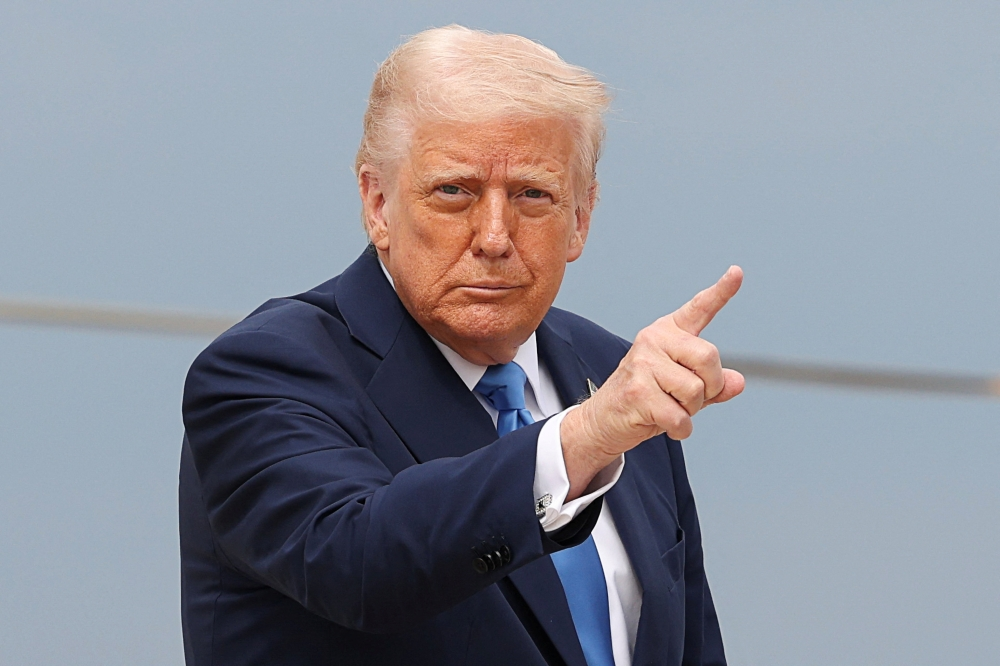
In a phone interview with NBC News, when asked directly whether he was ruling out military action, Trump replied unequivocally, "I'm not ruling it out, no." While refraining from explicitly stating his desire to overthrow Venezuelan President Nicolás Maduro, the US president indicated that Maduro is well aware of American intentions, saying, "He knows exactly what I want. He knows better than anybody." This comes as Maduro accuses Washington of seeking regime change by force to seize control of the country.
In the context of economic pressure, Trump confirmed that the United States would continue its policy of seizing oil tankers, referring to the incident last week in which US forces seized a tanker that had sailed from the Latin American country, in a move aimed at cutting off the economic lifeline to the Maduro government.
Background of the conflict and the nationalization of oil
This tension has deep roots, dating back years, with Washington accusing the Venezuelan regime of corruption and human rights abuses, while Caracas views the US sanctions as economic warfare aimed at plundering the country's wealth. When announcing the tightening of the blockade on tankers, Trump accused Venezuela of "seizing American oil," a clear reference to Venezuela's past nationalizations of its oil industry, which harmed the interests of major US energy companies.
Trump explained his position, saying, "They took all our energy rights, they took all our oil, not so long ago, and we want it back." It's worth noting that Venezuela possesses the world's largest proven oil reserves, making it a strategic linchpin in the global energy market, which explains the intense US interest in the Venezuelan situation.
Militarization of the Caribbean and drug charges
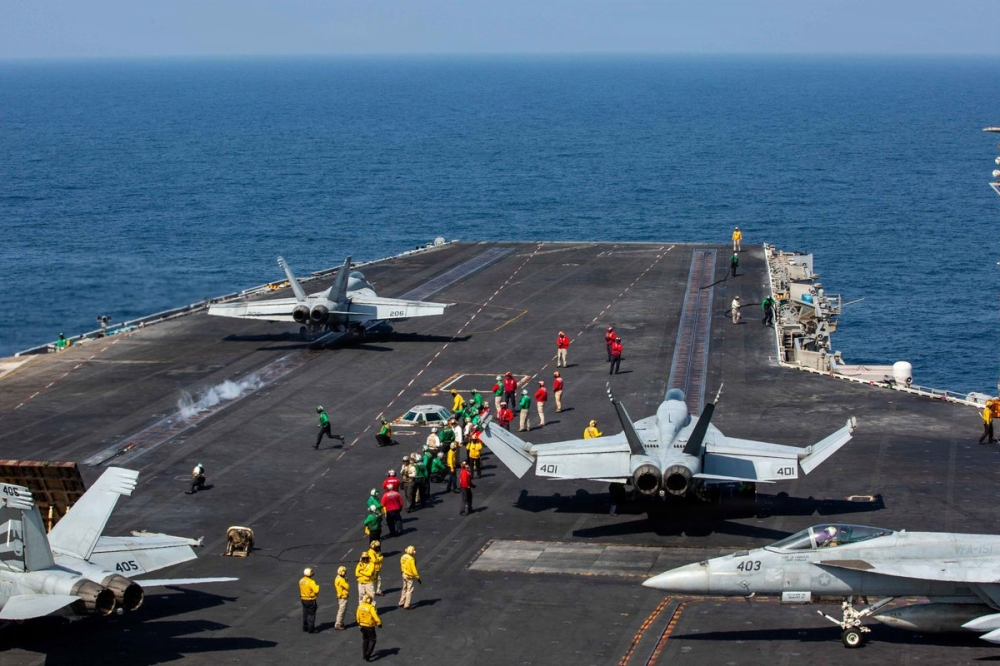
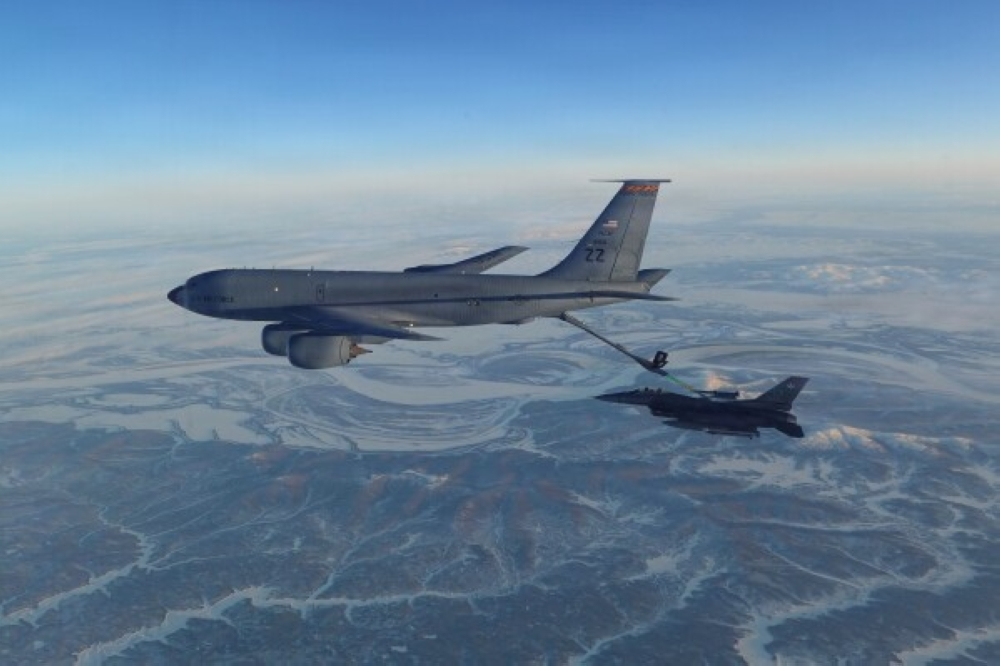
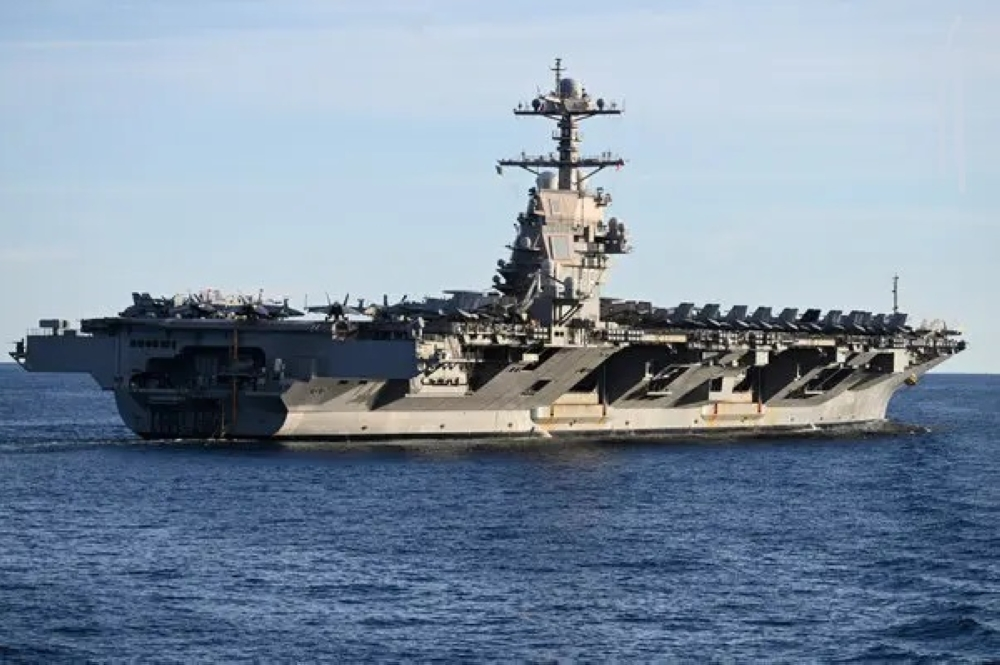
On the ground, the Trump administration has significantly increased the US military presence in the Caribbean in recent months. Washington justifies this buildup as a fight against what it calls a "terrorist drug cartel" run by Maduro and senior officials in his government. Since last September, US forces have carried out multiple strikes on suspected drug-trafficking vessels, killing more than 100 people, according to official statements.
Trump had previously threatened ground strikes against drug traffickers, but the focus has recently shifted to crippling Venezuela's oil sector, the country's main source of hard currency. Observers believe this escalation could drag the region into a spiral of violence, especially given the international support Maduro receives from major powers like Russia and China, making the Venezuelan crisis an arena for a broader geopolitical conflict that transcends regional boundaries.