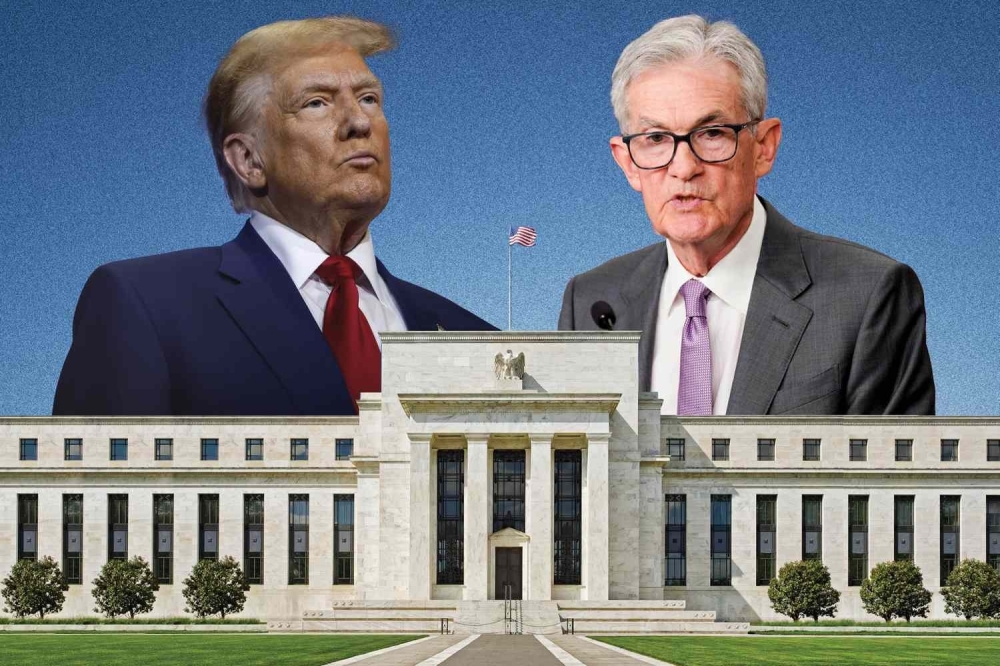
في تصعيد جديد لضغوطه على السياسة النقدية الأمريكية، وجه الرئيس السابق دونالد ترامب دعوة عاجلة وصريحة لمجلس الاحتياطي الفيدرالي، مطالباً إياه بخفض فوري وكبير لأسعار الفائدة. تأتي هذه الدعوة في أعقاب قرار البنك المركزي الإبقاء على معدلات الفائدة عند أعلى مستوياتها منذ أكثر من عقدين، في محاولة مستمرة لكبح جماح التضخم.
عبر منصته “تروث سوشال”، انتقد ترامب بشدة رئيس المجلس جيروم باول، قائلاً: “ينبغي على الاحتياطي الفيدرالي خفض معدلات الفائدة بشكل كبير، الآن!”. وأضاف أن باول، الذي عينه ترامب بنفسه خلال فترة رئاسته، “رفض مجدداً خفض أسعار الفائدة، رغم أنه ليس لديه أي سبب على الإطلاق لإبقائها مرتفعة للغاية”.
السياق التاريخي لصراع ترامب مع الفيدرالي
هذه ليست المرة الأولى التي يهاجم فيها ترامب سياسات الاحتياطي الفيدرالي. خلال فترة رئاسته، كسر ترامب تقليداً سياسياً طويل الأمد باحترام استقلالية البنك المركزي، حيث كان ينتقد قرارات المجلس علناً وباستمرار، معتبراً أن رفع أسعار الفائدة يعيق النمو الاقتصادي ويقوض إنجازاته. وتُظهر دعوته الأخيرة استمرارية هذا النهج، الذي يهدف إلى التأثير على القرارات النقدية لتحقيق أهداف سياسية واقتصادية قصيرة المدى، وهو ما يتعارض مع مبدأ استقلالية البنوك المركزية المصمم لحماية الاقتصاد من الضغوط السياسية المتقلبة.
قرار الفيدرالي وتحديات الاقتصاد الأمريكي
جاءت تصريحات ترامب بعد أن أبقى مجلس الاحتياطي الفيدرالي في اجتماعه الأخير على أسعار الفائدة الرئيسية ضمن نطاق يتراوح بين 5.25% و5.50%. وأشار بيان اللجنة الفيدرالية للسوق المفتوحة إلى أن الاقتصاد الأمريكي يواصل التوسع بوتيرة قوية، وسوق العمل لا يزال متيناً، لكن “التضخم لا يزال مرتفعاً”. ويواجه الفيدرالي معضلة دقيقة تتمثل في الموازنة بين السيطرة على التضخم وتجنب الدخول في ركود اقتصادي. فخفض الفائدة قبل الأوان قد يؤدي إلى عودة موجة التضخم، بينما إبقاؤها مرتفعة لفترة طويلة قد يخنق النشاط الاقتصادي ويزيد من تكاليف الاقتراض على المستهلكين والشركات.
الأهمية والتأثيرات المحتملة
تكتسب دعوة ترامب أهمية خاصة كونها تأتي في خضم موسم انتخابي محتدم. فمن الناحية المحلية، يمكن لخفض الفائدة أن يعزز أسواق الأسهم ويخفض تكاليف الرهون العقارية وقروض السيارات، مما قد ينعكس إيجاباً على معنويات الناخبين. أما على الصعيد الدولي، فإن لقرارات الفيدرالي الأمريكي تداعيات واسعة. فأسعار الفائدة المرتفعة في الولايات المتحدة تجذب رؤوس الأموال الأجنبية، مما يؤدي إلى ارتفاع قيمة الدولار مقابل العملات الأخرى. وهذا يزيد من عبء الديون على الدول النامية المقترضة بالدولار ويجعل الواردات أكثر تكلفة بالنسبة لها. وبالتالي، فإن أي قرار بخفض الفائدة لن يؤثر على الاقتصاد الأمريكي فحسب، بل سيمتد تأثيره إلى الأسواق العالمية واستقرارها المالي.