Amid escalating geopolitical tensions in the Middle East, former US President Donald Trump explicitly called on several countries, including China and Japan, to actively participate in securing the Strait of Hormuz , one of the world's most strategically important waterways. These remarks come at a time of growing global concern about the stability of global oil supplies, particularly given the ongoing threats that disrupt maritime navigation and impact markets.
The strategic and historical importance of the waterway
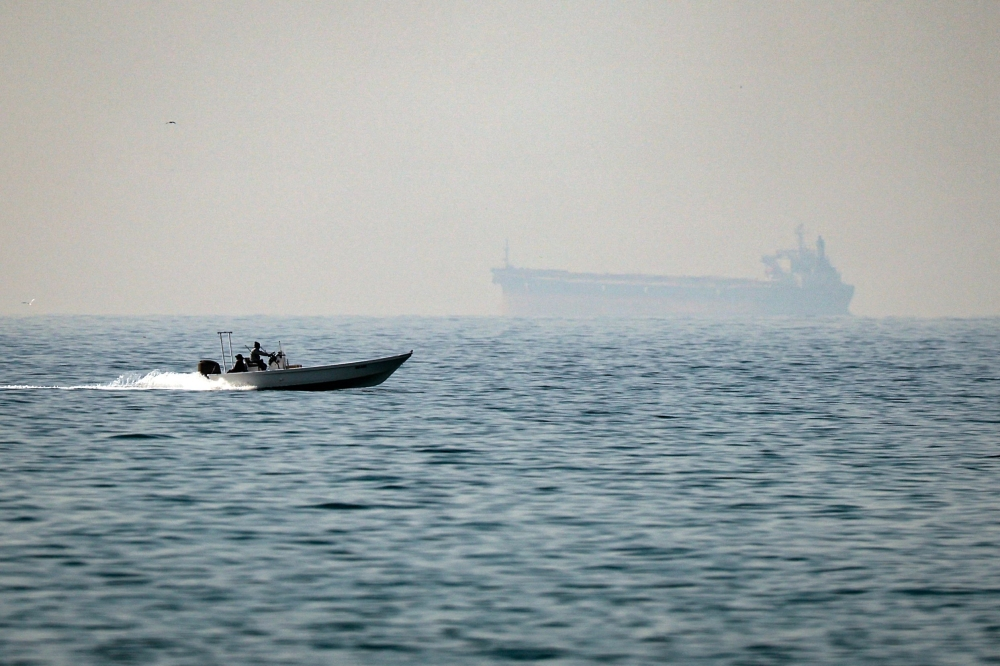
Historically, the Strait of Hormuz has been a vital artery connecting Middle Eastern oil producers with global markets in Asia, Europe, and North America. A significant portion of the world's oil supply passes through this narrow strait; reliable statistics indicate that approximately one-fifth of the world's oil consumption transits it daily. This unique geographical location has consistently made it a focal point in international politics and regional conflicts throughout the decades.
The current tensions are not a recent development, but rather the culmination of a series of historical events that have witnessed repeated attempts to use the strait as a tool for political and economic pressure. With ongoing conflicts in the Middle East, the urgent need to guarantee freedom of navigation in this sensitive region is paramount to avert global energy crises that could devastate the economies of both major and developing nations.
The repercussions of the tensions on the regional and international economy
Any disruption to navigation in this strategic waterway carries potentially disastrous consequences at the local, regional, and international levels. Internationally, the ongoing threat leads to an immediate surge in oil prices, insurance costs, and shipping rates, casting a long shadow over global inflation. Tehran targets the Strait as a strategic retaliation against pressure and attacks, aiming to damage the global economy and exert further pressure on Washington and its allies at a time when energy prices continue to fluctuate.
Washington's moves to secure the Strait of Hormuz
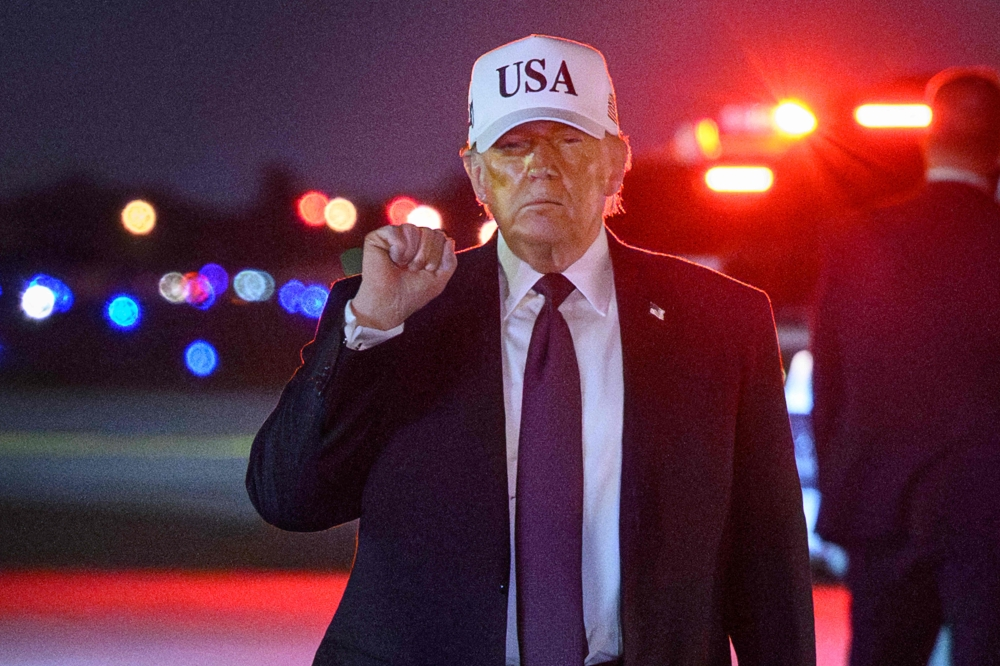
In this context, the US president wrote on his Truth Social platform that several countries would send warships in cooperation with the United States to keep the Strait of Hormuz open and secure. Trump announced that the US Navy would very soon begin escorting oil tankers to ensure their safe passage. He added, “We have destroyed 100 percent of Iran’s military capabilities, but it is easy for them to send one or two drones, plant a mine, or launch a short-range missile somewhere along or within the waterway.”.
Trump went on to express his hope that countries like China, France, Japan, South Korea, and the United Kingdom would send ships to the region so that the strait would no longer be under threat. He noted that until this happens, the United States will continue its deterrent military operations, asserting that "one way or another, we will soon open the strait.".
Diplomatic efforts succeed: Indian ships cross safely
Despite these tensions, some breakthroughs have emerged as a result of intensive diplomatic efforts. The Indian Minister of Shipping reported that two Indian-flagged vessels carrying liquefied petroleum gas (LPG) had transited the strait and were en route to ports in western India. This announcement underscored the possibility of keeping trade routes open despite the challenges that have recently disrupted a significant portion of shipping.
Rajesh Kumar Sinha, Secretary General of the Ministry of Ports and Maritime Transport, explained during a press conference in New Delhi that the two vessels “safely transited the Strait of Hormuz early this morning and are heading towards India.” He noted that the two ships, the Shifalik and the Nanda Devi, are carrying approximately 92,700 metric tons of liquefied petroleum gas (LPG) and are expected to arrive at the ports of Mundra and Kandla within two days, highlighting the importance of international cooperation in safeguarding maritime navigation.